
Windows Phone — Microsoft mobile operating system (discontinued)
Windows Phone was a mobile operating system family by Microsoft, known for its Live Tiles and Metro design. Development ended in 2019–2020 and it lost market share to Android and iOS.
Overview
Windows Phone was a line of mobile operating systems developed by Microsoft as the successor to Windows Mobile. It provided an alternative smartphone experience focused on a tile-based interface and tight integration with Microsoft services. Despite these features, it remained less widely adopted than Android and iOS.
Image gallery
3 Images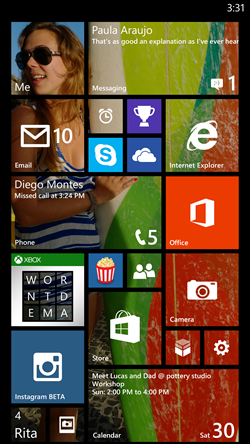


Design and main characteristics
The system used a ‘‘Metro’’-inspired user interface centered on dynamic Live Tiles on the Start screen instead of traditional app icons. Notifications, People hub integration and deep ties to cloud services were emphasized. Hardware designs varied, but many devices included dedicated buttons for back, home and search and common smartphone sensors.
Architecture and versions
Windows Phone evolved through several major releases: the initial Windows Phone 7, then Windows Phone 8 and 8.1, and finally an edition aligned with Windows 10 known as Windows 10 Mobile. As an operating system it supported native and managed runtimes; developer frameworks shifted from Silverlight-based apps to Universal Windows Platform (UWP) to unify phone and PC development.
Apps, ecosystem and devices
The platform relied on an app store model and attracted a range of applications, though it struggled with an "app gap" compared with competing ecosystems. Popular device families included handsets from Nokia under the Lumia brand alongside offerings from other manufacturers. The software targeted typical mobile phones functions—calling, messaging, web, multimedia and enterprise features such as Exchange support.
Decline and end of support
Over time, declining market share, limited third-party app support and strategic shifts at Microsoft reduced investment in the platform. Microsoft announced the winding down of active development and support for the mobile editions; the product line reached end-of-support around late 2019 to early 2020. The decline illustrated challenges in competing with established mobile leaders like Android and iOS.
Legacy and notable facts
- Windows Phone introduced Live Tiles and a typography-driven visual language that influenced later Microsoft design work.
- Its push toward platform convergence informed the Universal Windows Platform strategy on desktops and tablets.
- Although discontinued, the platform is studied as an example of mobile UX choices and the importance of app ecosystems in platform success.
For historical or technical research, references to predecessor and successor technologies, and archived documentation, consult official Microsoft resources and developer archives for additional context.
Related articles
Author
AlegsaOnline.com Windows Phone — Microsoft mobile operating system (discontinued) Leandro Alegsa
URL: https://en.alegsaonline.com/art/108531
Sources
- lextrait.com : "The Programming Languages Beacon, v10.0"
- blogs.technet.com : "Windows Phone 8 announced today: will support 50 languages"