
Windows Mobile — discontinued Microsoft mobile operating system
Windows Mobile was a family of mobile operating systems by Microsoft, evolved from Pocket PC and Windows CE, used on PDAs and early smartphones and succeeded by Windows Phone in 2010.
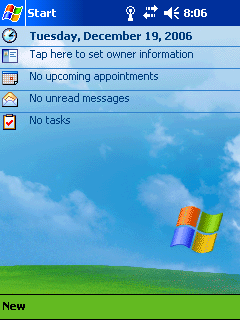
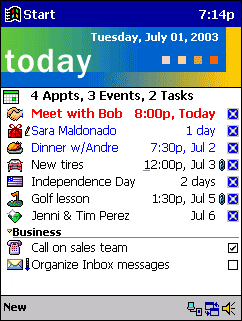
Windows Mobile was a series of mobile operating systems and platform software developed by Microsoft for pocket-sized and mobile devices. Originating from earlier Windows CE and Pocket PC efforts, it provided a compact version of familiar Windows interfaces and a set of bundled applications for email, calendar, contacts and basic multimedia. Although it was widely used on enterprise handhelds and some consumer smartphones in the 2000s, Microsoft discontinued the line and transitioned to a new platform in 2010.
Image gallery
10 Images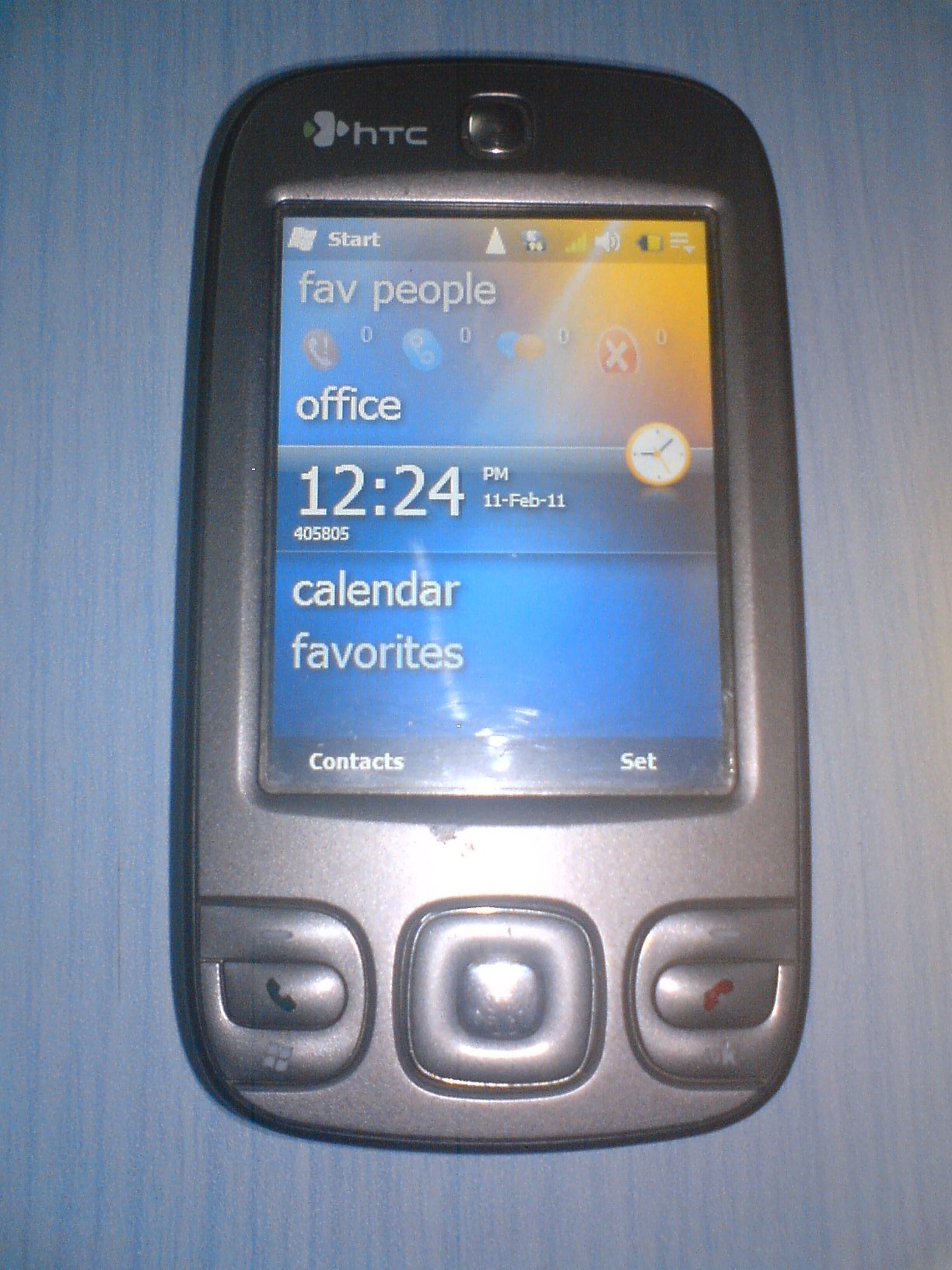




Overview
The Windows Mobile line aimed to extend desktop-style computing to smaller devices while supporting hardware constraints of the time. It offered a start-menu-like user experience, stylus and touchscreen input, and compatibility with many Microsoft services. Developers could build native applications using the Windows CE-based APIs or managed applications using .NET Compact Framework. Devices running Windows Mobile ranged from PDAs (personal digital assistants) to early smartphones with cellular capabilities.
History and version development
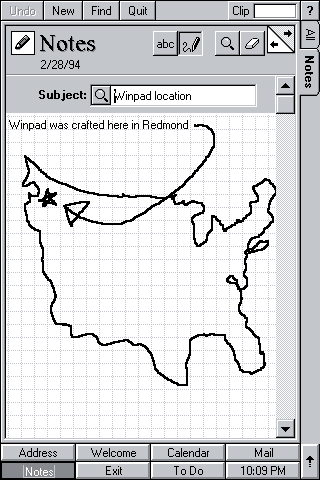
Windows Mobile traces back to Pocket PC 2000, which leveraged the Windows CE kernel and basic PDA features. Subsequent releases included Pocket PC 2002 and then the first versions branded as Windows Mobile 2003. Major releases followed a few years apart: Windows Mobile 5 introduced persistent storage architecture changes, while Windows Mobile 6 and its point releases (6.0, 6.1 and 6.5) updated the user interface and networking stacks. Over time the platform evolved toward richer messaging and enterprise security functionality. For an overview of milestones see release information and historical notes at related resources.
Architecture and notable features
- Based on the Windows CE kernel with a modular design suited to varied hardware.
- Support for native Win32-style APIs alongside the .NET Compact Framework for managed code.
- Built-in applications such as Pocket Outlook, mobile Internet Explorer, media player and file explorer.
- Enterprise features including ActiveSync/Windows Mobile Device Center synchronization, Exchange support and security policies.
These characteristics made the platform attractive to businesses that needed mobile access to corporate email and documents. Developers often distributed applications through vendor stores, direct installs or bundled software on devices; see developer documentation for technical details.
Devices, uses and examples
Windows Mobile appeared on a variety of hardware: consumer handsets, specialist industrial handhelds, barcode scanners and PDAs. Typical usage scenarios were mobile email, calendar management, field service applications and point-of-sale or inventory tasks in commercial settings. Some manufacturers customized Windows Mobile to add device-specific drivers and user interfaces. For device catalogs and example models, consult device listings.
End of life and legacy
By 2010 Microsoft shifted focus to a successor platform that prioritized a new user interface paradigm and modern app ecosystem. The Windows Mobile family was succeeded by Windows Phone, and manufacturer support for the older OS declined. Although Windows Mobile is discontinued, its influence remains visible in enterprise mobile management, early smartphone design patterns and a generation of mobile applications. Historical archives and migration guidance can be found at migration and legacy resources.
Windows Mobile played a formative role in the transition from PDAs to integrated smartphones. Its combination of desktop-derived APIs, enterprise integration and device flexibility left a measurable mark on mobile computing in the 2000s, even as the market moved toward newer platforms and app-centric distribution models.
Related articles
Author
AlegsaOnline.com Windows Mobile — discontinued Microsoft mobile operating system Leandro Alegsa
URL: https://en.alegsaonline.com/art/108522