
Windows Server 2019
Windows Server 2019 is a long-term servicing release from Microsoft that added hybrid-cloud, container, storage and security features to the Windows Server line.
Overview
Windows Server 2019 is a server operating system developed by Microsoft and released on October 2, 2018. It belongs to the Long-Term Servicing Channel (LTSC) and builds on the same core as Windows 10, bringing server-specific enhancements for datacenter, hybrid cloud and container scenarios. It succeeded Windows Server 2016 and precedes Windows Server 2022.
Image gallery
2 Images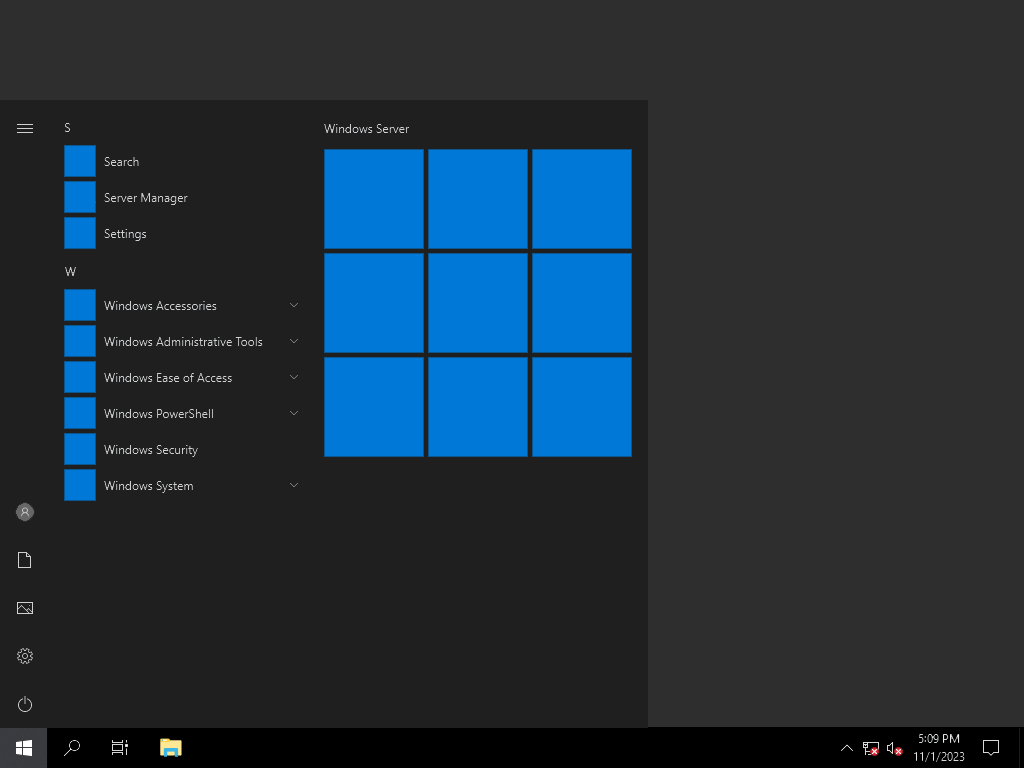

Key features and capabilities
- Hybrid cloud integration: enhancements to connect on-premises environments with Microsoft Azure services, including Storage Migration Service and Azure File Sync.
- Security: improvements such as Shielded Virtual Machines for Linux guests, Windows Defender Advanced Threat Protection integration and more secure default configurations.
- Container and orchestration support: optimizations for Windows containers, improved Kubernetes compatibility and container image size reductions to speed deployment.
- Storage and networking: features like Storage Spaces Direct improvements, deduplication for ReFS, and faster, resilient networking options.
- Management and insights: compatibility with Windows Admin Center and the addition of System Insights for local predictive analytics.
Editions, deployment and compatibility
Windows Server 2019 was made available in several editions to fit different scales: Datacenter (for highly virtualized datacenters and cloud environments), Standard (for physical or minimally virtualized environments) and Essentials (for small businesses). It is compatible with many enterprise applications and supports modern server workloads. For management and remote administration, Microsoft provides tools such as Windows Admin Center; see vendor documentation for guidance at official product resources.
History and lifecycle
Announced and released in 2018 as the follow-up to Windows Server 2016, this release continued Microsoft's cadence of combining on-premises server functionality with cloud-aware services. Mainstream support for Windows Server 2019 is scheduled to end on January 9, 2024, with extended support ending on January 9, 2029. For details on support timelines and servicing options consult the lifecycle information available from the vendor at support lifecycle and general product pages at Microsoft.
Uses, importance and notable distinctions
Windows Server 2019 targets enterprise and service-provider deployments that require stable, long-term platform support along with modern capabilities: running virtualized workloads, hosting containers, integrating with cloud services and securing multitenant environments. It represented an incremental evolution rather than a radical redesign, emphasizing hybrid scenarios and operational tools for administrators. Administrators choosing a deployment should weigh edition features, support term and prerequisites for particular applications or management tools.
Related articles
Author
AlegsaOnline.com Windows Server 2019 Leandro Alegsa
URL: https://en.alegsaonline.com/art/108536