
Windows 7 — overview, features, history and support lifecycle
Windows 7 is a major Microsoft desktop operating system released in 2009. This article explains its features, editions, development timeline, support lifecycle and legacy in personal computing.
Overview
Windows 7 is a major release of the Microsoft Windows family and a desktop operating system designed primarily for personal computers and notebooks (PCs). Positioned as the successor to Windows Vista, Windows 7 focused on improving performance, stability, and device compatibility while refining the user interface and core services. It was developed and published by Microsoft and became widely adopted in both consumer and enterprise environments.
Image gallery
6 Images


Key characteristics and user experience
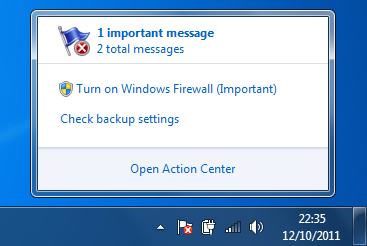
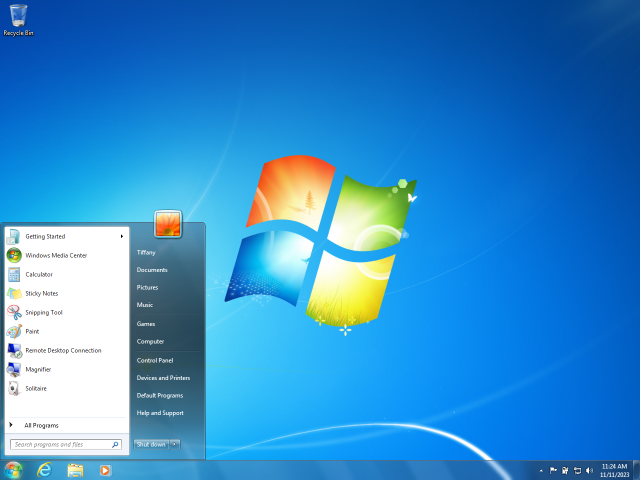
Windows 7 introduced several visible and under-the-hood changes that affected everyday use. The user interface included a redesigned taskbar with larger, combined icons and thumbnail previews, an expanded notification area, and improved window management features such as Snap, Peek and Shake. The operating system emphasized faster boot and shutdown times compared with its predecessor, better memory management, and improved support for solid-state drives and multi-core processors.
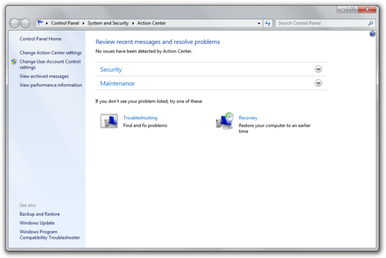
Internally, Windows 7 refined driver and device support, introduced new multimedia codecs and improved DirectX support for gaming, and offered better power management for laptops. Networking saw enhancements including simplified home networking tools and improved file sharing. Security improvements built on Vista’s foundations with User Account Control tweaks and additional protections for system services.
Editions, distribution and timeline
Microsoft released Windows 7 in multiple editions to serve different markets and hardware: Starter, Home Basic, Home Premium, Professional, Enterprise and Ultimate. These editions varied by features such as media center capabilities, domain join support, encryption and virtualization tools. The public beta was made available early in 2009 and the release candidate followed in May of that year. Microsoft shipped the final code to PC manufacturers on July 22, 2009, enabling preinstallation on new systems; the retail launch to consumers occurred on October 22, 2009. OEM distribution and retail licensing practices followed typical Microsoft channels of the period.
Support lifecycle and extended updates
Windows 7’s standard mainstream support period concluded earlier than its extended security support. A Service Pack 1 (SP1) consolidated updates and was required for continued access to certain updates after an early cutoff. Mainstream support ended in January 2015, while free security updates ceased on January 14, 2020. Microsoft offered a paid Extended Security Updates (ESU) program to provide critical patches for organizations that needed to remain on Windows 7 beyond that date. The ESU program ran in annual phases with increasing per-device pricing and concluded with its final year in early 2023. Related server and client product timelines, such as Windows Server 2008, and subsequent client releases like Windows 8 and its update Windows 8.1, influenced enterprise migration schedules.
Uses, adoption and legacy
Windows 7 was broadly praised for restoring user confidence after the mixed reception of Vista. It became a standard in business and home environments for many years because of its performance, compatibility with existing software and hardware, and a familiar user interface. Software vendors and enterprises often targeted Windows 7 for application compatibility testing. Over time, as newer hardware and security requirements evolved and successor versions of Windows became available, adoption declined as organizations migrated to supported platforms.
Notable distinctions and context
- Compared with Windows Vista: Windows 7 focused on responsiveness and reduced resource overhead while keeping strong security features inherited from Vista.
- Compared with later releases: Windows 7 prioritized a traditional desktop model; later versions introduced deeper cloud integration and different servicing models.
- Commercial considerations: The ESU program allowed extended protection for legacy systems at a cost, providing time for planned migrations.
For additional historical notes, downloads, or technical references, Microsoft and archival resources published during the Windows 7 era contain detailed documentation, developer guides and migration advice. Early beta and release-candidate information was circulated during development phases and OEM distribution practices determined the availability of Windows 7 on new hardware at launch, a process described in contemporary announcements such as the manufacturing release on July 22, 2009 (beta and release notes) and OEM packaging guidance (PC manufacturers).
Overall, Windows 7 played a significant role in the evolution of desktop computing in the late 2000s and early 2010s: it balanced usability improvements with technical refinements and left a notable legacy in enterprise IT and end-user expectations for stability and performance.
Related articles
Author
AlegsaOnline.com Windows 7 — overview, features, history and support lifecycle Leandro Alegsa
URL: https://en.alegsaonline.com/art/108507
Sources
- windowsteamblog.com : "Why 7?"
- windowsteamblog.com : "Announcing Availability of Windows 7 and Windows Server 2008 R2 SP1"
- buzzle.com : "Windows 7 System Requirements"
- support.microsoft.com : "Windows 7 Lifecycle Policy"
- theregister.co.uk : "Gates confirms Windows Longhorn for 2003"
- seattlepi.com : "Microsoft cuts key Longhorn feature"
- winsupersite.com : "Windows "7" FAQ" · web.archive.org
- blogs.zdnet.com : "Windows Seven: Think 2010"
- news.cnet.com : "Microsoft makes Windows 7 name final" · web.archive.org
- cbc.ca : "For Microsoft's Windows, 7th time's a charm"
- news.softpedia.com : "Windows 7 Milestone 1 (M1) Ultimate Build 6.1.6519.1"
- blogs.msdn.microsoft.com : "Action Center – Engineering Windows 7"