
Windows 9x: the consumer Windows family based on MS-DOS (1995–2000)
Overview of Windows 9x — the Microsoft consumer operating systems built on MS‑DOS (Windows 95, 98, ME): architecture, major versions, features, legacy, and differences from the NT line.
Windows 9x is a broad name used to describe a group of consumer Microsoft operating systems produced in the mid‑1990s and marketed as easy‑to‑use desktop systems. The family includes Windows 95, Windows 98 and Windows Millennium Edition (ME). These releases evolved from an MS‑DOS boot environment and a hybrid 16/32‑bit architecture that combined legacy DOS compatibility with newer 32‑bit components. In common usage the phrase appears as Windows 9x or Windows 9x/ME; different writers and vendors may vary in whether they explicitly list ME. For background on the family, see the collection entry Windows 9x family overview.
Image gallery
2 Images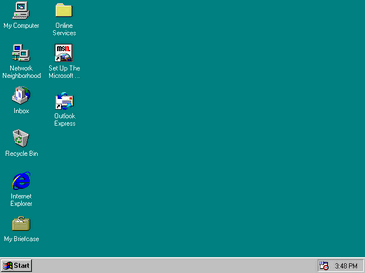
Architecture and principal characteristics
The Windows 9x series retained significant dependence on MS‑DOS during startup and for backward compatibility with older software and drivers. Under the hood the systems used a hybrid kernel that supported both 16‑bit and 32‑bit code paths, which eased migration from earlier Windows versions while enabling new Win32 applications. User experience advances included the Start menu, taskbar and a focus on plug‑and‑play hardware support. Multimedia and gaming support improved with the introduction and refinement of DirectX, and file system improvements such as FAT32 were made available in later releases. For technical summaries and kernel-level descriptions consult architecture notes and compatibility references.
Major versions and timeline
Windows 95 launched the family and brought a redesigned desktop and greater consumer focus. Subsequent releases refined features and added support for new devices. Windows 98 emphasized broader hardware support and Internet integration, while Windows ME focused on multimedia features and system utilities. Each version received updates that addressed stability, device drivers and user tools. For timelines and edition comparisons see the specific product pages: Windows 95 details, Windows 98 and upgrades and Windows ME features.
Typical uses and importance
During its heyday Windows 9x dominated the consumer PC market and was the platform for a vast library of desktop applications and games. Its compatibility with DOS programs made it a natural choice for households and small businesses upgrading from earlier PCs. The user interface patterns and conveniences introduced during this era influenced later desktop designs. Information on consumer adoption and transitional advice is available in contemporary reviews and migration guides such as consumer migration notes.
Legacy, limitations and distinctions
While Windows 9x was widely adopted, it had technical limitations compared with the separate NT family of Microsoft operating systems. The NT line used a fully 32‑bit, preemptive multitasking kernel with stronger process isolation and security, making it better suited to enterprise environments. Windows 9x offered easier legacy application support but was generally less robust under heavy multitasking and networked use. Over time Microsoft migrated the mainstream consumer line to the NT code base, beginning a shift that culminated in later releases.
Support for the Windows 9x family ended in the 2000s: extended support for later 9x releases concluded in the mid‑2000s and earlier editions left extended support earlier. Despite official retirement, these systems remain of interest to hobbyists and researchers; emulation and virtualization tools are commonly used to run legacy applications and to study historical software behavior. The Windows 9x era is therefore important both as a transitional phase in consumer computing and as a foundation for many modern desktop conventions.
Related articles
Author
AlegsaOnline.com Windows 9x: the consumer Windows family based on MS-DOS (1995–2000) Leandro Alegsa
URL: https://en.alegsaonline.com/art/108512