
Windows 95
Microsoft's Windows 95, released in August 1995, modernized the PC desktop with the Start menu, taskbar and long file names. It blended MS‑DOS compatibility with new 32‑bit components and shaped consumer computing in the 1990s.
Windows 95 is a consumer-oriented operating system produced by Microsoft and first released in August 1995. It represented a major redesign of the Windows family and unified a number of ideas that had been emerging in earlier products. As a visible, user-focused platform it followed and replaced the Program Manager model used in Windows 3.x, and provided a more familiar desktop metaphor for a growing mass market of home and office PC users.
Image gallery
4 Images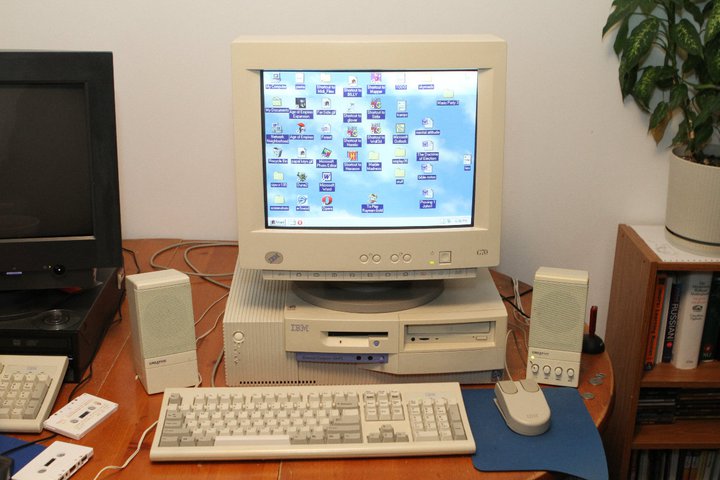


Interface and file handling
Windows 95 introduced several user-interface elements that became familiar to subsequent releases. The Start menu and taskbar organized applications, documents and system controls into a persistent, discoverable place on the screen. The operating system also brought support for long file names (beyond the older 8.3 format and single-character file extensions) so users could name files with spaces and more descriptive text. These changes simplified everyday tasks such as launching programs, switching between tasks, and keeping files organized.
Technical design and compatibility
Underneath its new graphical shell, Windows 95 ran on top of MS‑DOS; it was designed as a hybrid system that preserved compatibility with many DOS and older Windows programs while introducing newer 32‑bit components. The layer provided users with the ability to run legacy DOS software alongside native Windows applications, and shipped with enhancements to disk and device support. For users and administrators concerned with legacy software, this balance of old and new reduced migration friction while enabling more modern applications to take advantage of improved system services (MS‑DOS compatibility).
Features, devices and connectivity
Windows 95 expanded hardware and multimedia support: improved CD‑ROM accessibility, better driver models and Plug and Play detection simplified adding peripherals. It also included built‑in networking and dial‑up facilities that made connecting to local networks and the Internet easier for non‑technical users; Internet support was extended through bundled and optional components as the web grew. These additions helped turn the personal computer into a more flexible platform for multimedia, communications and home productivity.
History, impact and succession
Launched to broad commercial attention, Windows 95 became the dominant consumer desktop OS for the latter half of the 1990s and influenced both software design and user expectations. It established interface conventions (Start menu, taskbar, desktop shortcuts) that were retained, adapted or debated in later releases. The direct successor, Windows 98, refined many system and web features; later Microsoft versions preserved the basic metaphors introduced by Windows 95 even as the OS family evolved.
Legacy, notable facts and end of support
Windows 95 is often cited for its widespread influence on personal computing: its Start menu and desktop model became a baseline for usability studies and application design. While some later versions temporarily removed or redesigned certain elements (for example, the initial redesign in Windows 8 sparked debate), the concepts from Windows 95 persisted for decades. The platform's mainstream popularity lasted through the late 1990s; formal extended support from Microsoft ended on December 31, 2001. For historical comparisons and product lineage see general references on Windows.
- First release: August 1995
- Major UI innovations: Start menu, taskbar, long file names
- Compatibility: hybrid operation with MS‑DOS and legacy software
- Successor: Windows 98
Related articles
Author
AlegsaOnline.com Windows 95 Leandro Alegsa
URL: https://en.alegsaonline.com/art/108510
Sources
- windowsitpro.com : "Microsoft to release Windows 95 OSR 2.5"
- support.microsoft.com : "Microsoft Support Lifecycle"