
Wilfred Grenfell (1865–1940) — Medical missionary in Newfoundland and Labrador
British physician who founded the Grenfell Mission, building hospitals, schools and relief services across Newfoundland and Labrador and shaping rural medical and social care in the North Atlantic.
Overview
Sir Wilfred Thomason Grenfell (28 February 1865 – 9 October 1940) was a British physician and medical missionary best known for his work among the coastal communities of Newfoundland and Labrador. Arriving in 1892, he helped create what became known as the Grenfell Mission, an organisation that combined clinical care with social services in isolated settlements.
Image gallery
3 Images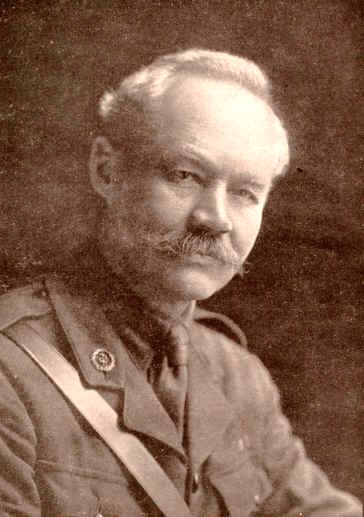


Early mission work
Grenfell established a network of outreach that brought basic medical attention to communities previously without regular access to doctors. He travelled by small boat and later by purpose-built mission vessels to reach scattered fishing villages, offering nursing, surgery and public-health measures adapted to the difficult climate and long distances.
Institutions and services
Beyond direct patient care, Grenfell promoted the construction of permanent facilities: hospitals, clinics and outposts that provided maternal and emergency care; schools that offered basic education and vocational skills; and orphanages and relief shelters for children and families affected by accidents, disease or economic hardship. These services were intended for a mixed population including Inuit communities and seasonal fishermen, among others.
Methods and organisation
Grenfell combined practical medicine with training and local capacity building: he trained nurses and helpers drawn from local communities, organised mobile clinics, and developed systems for delivering food and clothing during hard winters. Fundraising and public appeals in Britain and elsewhere were important to support the mission’s vessels, buildings and supplies.
Challenges and cultural context
Delivering health care in the region involved logistical hardships—long sea journeys, severe weather, and limited infrastructure—and complex cultural interactions. Contemporary assessments note both the substantial benefits of increased care and education and the need to understand the work in the broader context of colonial-era missions and changing relations with Indigenous peoples.
Recognition and later life
For many years of service Grenfell received public honours: he was knighted and made a member of the Order of St Michael and St George. He continued to travel, to lecture and to raise funds for the mission until his later years. Grenfell died in 1940, leaving an organisational framework that continued after his death.
Legacy and remembrance
The work Grenfell began influenced the development of rural health and social services in the North Atlantic. Many of the outreach practices, training approaches and small medical stations he advocated persisted in local health systems. The history of the mission is now studied by historians of medicine and social policy who examine both its achievements and its limitations.
Museum and historical society
The Sir Wilfred Thomason Grenfell Historical Society, formed to preserve his legacy, acquired Grenfell's home in St. Anthony. The house has been restored and operates as a museum and archive where visitors can learn about the mission’s work, view period artefacts and consult historical records about the region and its communities.
- Notable facts: The Grenfell Mission is regarded as an early example of integrated rural health care in a remote maritime region.
- Grenfell’s model combined medical treatment, preventive health, education and social relief to address multiple needs in small settlements.
- His legacy is mixed: many local communities benefited from services and training, while later scholarship places the mission within the wider framework of colonial-era service delivery.
Today Sir Wilfred Grenfell remains a significant historical figure in Newfoundland and Labrador. His work brought sustained medical attention to remote coastal populations and created institutions that shaped local provision of health and social services for decades. For further reading and archival materials, the museum and the historical society maintain collections and published accounts relating to the Grenfell Mission’s operations and its impact on northern communities.
Related articles
Author
AlegsaOnline.com Wilfred Grenfell (1865–1940) — Medical missionary in Newfoundland and Labrador Leandro Alegsa
URL: https://en.alegsaonline.com/art/108110
Sources
- query.nytimes.com : "WILFRED GRENFELL OF LABRADOR DEAD; Founder in 1892 of Medical Mission Known Throughout World Stricken in Vermont"
- grenfell-properties.com : "About Dr. Wilfred Grenfell"