
Wilfred Thesiger — British explorer, travel writer and photographer
Wilfred Thesiger (1910–2003) was a British explorer, author and photographer known for journeys across Arabia, Iraq and Africa, classic travel books and a lifelong affinity with desert and nomadic peoples.
Wilfred Thesiger (1910–2003) was a British explorer, travel writer and photographer whose life combined long journeys on foot and camel with careful observation and literary skill. Born in Addis Ababa, where his father served as an adviser to the Ethiopian emperor, Thesiger was educated in England but spent much of his adult life in remote parts of the Middle East and Africa. His travels began early: a low-cost, solitary overland trip from England to Istanbul during a university vacation set the pattern for decades of independent travel.
Image gallery
3 Images
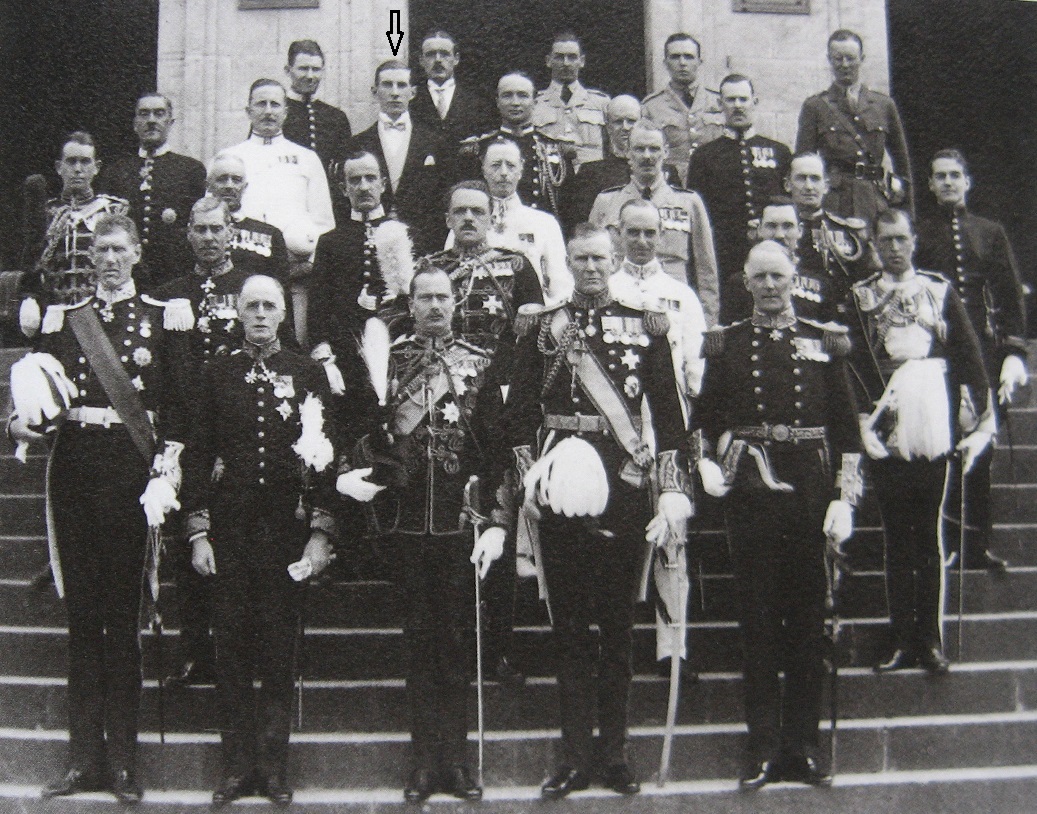

Travels and major journeys
Thesiger is best known for extended journeys among nomadic and tribal peoples. He travelled widely in the Arabian Peninsula, undertaking arduous crossings of the Rub' al Khali or "Empty Quarter" alongside Bedouin companions. He also lived among the marsh-dwelling communities of southern Iraq and moved through parts of Sudan and East Africa. These expeditions emphasized long-distance, low-technology travel—often on foot or by camel—and a willingness to adopt local methods of living and navigation.
Writings and photography
Thesiger recorded his experiences in books and thousands of photographs. His clear, reflective prose brought attention to ways of life that were changing under the pressure of modernization. Major published works by Thesiger are widely read as classic accounts of desert travel and tribal societies:
- Arabian Sands — an account of journeys in the Empty Quarter.
- The Marsh Arabs — observations on the inhabitants of southern Iraq.
- The Last Nomad — autobiographical reflections on his life and travels.
He was also a dedicated photographer: on his death he bequeathed more than 38,000 images to the Pitt Rivers Museum in Oxford, helping preserve visual records of the regions and peoples he encountered. The museum has received support to conserve and catalogue this material, a process that has involved both British and Gulf institutions; the collection is associated with the Pitt Rivers Museum at Oxford (Pitt Rivers).
Relationships, character and beliefs
Thesiger formed close relationships with the people who accompanied him, particularly Bedouin groups. He admired certain traditional qualities—hospitality, courage and generosity—and often wrote that he learned as much from his companions as they did from him. During travels in what are now the United Arab Emirates he met local leaders, including a meeting in Al Ain with Sheikh Zayed, and he regularly traveled with Bedouin friends across desert terrain, an association that shaped much of his outlook on life (Al Ain).
Legacy and notable facts
Thesiger was physically robust and known for a spare lifestyle: he disliked cars and radio and preferred the simplicity of desert life to modern comforts. He had been a keen boxer in his youth and was described as tall and hardy. His books remain in print and continue to influence writers, historians and travellers interested in the Arabian Peninsula, Iraq and traditional nomadic cultures. His photographic archive at the Pitt Rivers Museum is an important research resource and benefited from funding to ensure its preservation.
Wilfred Thesiger died in Croydon (Croydon), in London, in 2003. His work is remembered both for its narrative power and for documenting worlds in transition during the 20th century.
Related articles
Author
AlegsaOnline.com Wilfred Thesiger — British explorer, travel writer and photographer Leandro Alegsa
URL: https://en.alegsaonline.com/art/108113