
Sweet woodruff (Galium odoratum): description, uses and cultivation
Overview of sweet woodruff (Galium odoratum): appearance, habitat, traditional uses in gardens, herbal and culinary roles, cultivation tips, safety notes and distinguishing features.
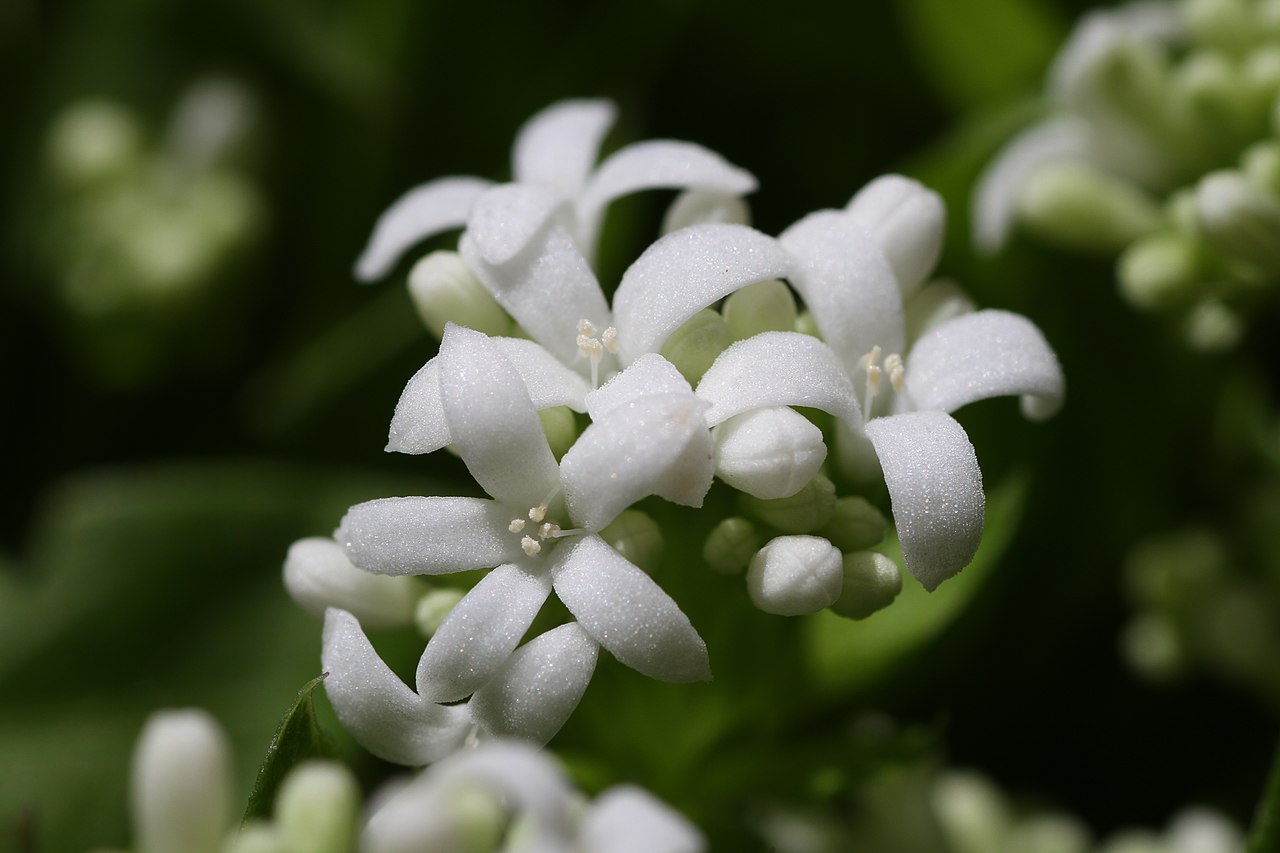
Sweet woodruff (Galium odoratum) is a low-growing perennial herb in the coffee family (Rubiaceae) known for its delicate white flowers and a characteristic sweet, hay-like scent. Native to shady, moist woodlands across much of Europe and parts of western Asia, it is valued both as an ornamental groundcover and for traditional uses in perfumery, flavoring and folk herbalism.
Image gallery
6 Images




Characteristics
Plants form mats or carpets by creeping stems and shallow rhizomes. Leaves are arranged in whorls—commonly six to eight narrow leaflets per node—and the plant typically bears sprays of small, star-shaped white flowers in late spring to early summer. The scent that gives the plant its common name comes from coumarin, a fragrant compound present in the leaves when they are dried or bruised.
History and traditional uses
Historically, dried woodruff was used to scent linens, closets and clothing. In parts of Central Europe, particularly Germany, it has a long association with spring celebrations; a refreshment known as "May wine" or Maibowle is traditionally flavored with the fresh flowering tops. The plant's aroma also made it a component of potpourris and sachets.
Garden cultivation and landscape use
Sweet woodruff is popular as a shade-tolerant groundcover beneath trees and shrubs because it thrives in partial to full shade and prefers humus-rich, evenly moist soil. It spreads steadily to form evergreen or semi-evergreen patches in mild climates and is generally low-maintenance. Gardeners value it for early-season flowers and its ability to suppress weeds in shady beds.
Uses, safety and modern considerations
Beyond ornamental use, sweet woodruff is found in traditional herbal medicine and culinary recipes as a flavoring. Because it contains coumarin, which can be harmful in large amounts, modern use for internal consumption is cautious and regulated in some countries. Current recommendations advise moderation and consultation with a healthcare professional before medicinal or extensive culinary use.
Notable facts and distinctions
- Also called sweet-scented bedstraw or master of the woods.
- Belongs to the genus Galium, which includes other bedstraws such as cleavers (Galium aparine) that differ in texture and habit.
- Valued for both its fragrance and as an effective shade groundcover in temperate gardens.
Related articles
Author
AlegsaOnline.com Sweet woodruff (Galium odoratum): description, uses and cultivation Leandro Alegsa
URL: https://en.alegsaonline.com/art/108966