
When Doves Cry — Prince (1984) lead single from Purple Rain
1984 single by Prince from the Purple Rain soundtrack. A groundbreaking pop‑rock track notable for its spare production, first US #1 hit, multiweek chart dominance and lasting cultural impact.
Overview
"When Doves Cry" is a 1984 single by the American musician Prince. Released as the lead single from the soundtrack and film Purple Rain, it became an international hit and a defining record of the decade. The song reached number one in the United States — Prince's first American chart‑topper — and remained at the summit for five weeks. It was among the best selling singles of the year and later received certification from the music industry.
Image gallery
3 Images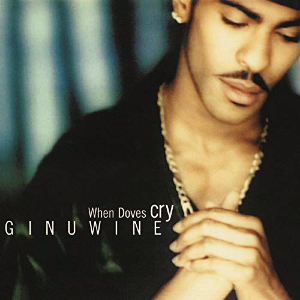


Musical characteristics
The track blends elements of rock and pop with a minimalist, dramatic arrangement. Prince produced the recording with a distinctive absence of a bass line, relying instead on a punchy drum machine pattern, layered synthesizers, and a prominent guitar solo. Vocally, the song alternates between intimate verses and an emotive chorus, delivering lyrical themes of love, conflict and emotional isolation.
Production and recording
Recorded and produced largely by Prince himself in the early 1980s, the song showcases his multi‑instrumental approach and studio control. The spare arrangement allowed the vocals and guitar to occupy more space in the mix, a choice that drew attention from critics and listeners alike. It was released on the soundtrack and associated with the movie, helping to cement Prince's status as both a recording and a film artist.
Commercial performance and recognition
Upon release the single became a commercial phenomenon. In the United States it climbed to number one and held that position for several weeks; industry tallies later listed it among the year's top selling singles. The Recording Industry Association of America (RIAA) certified the record, reflecting shipments in excess of the threshold for platinum status in the U.S. Music trade publications such as Billboard tracked its rapid sales and airplay during 1984.
Legacy and influence
Critics and historians regard the song as one of Prince's signature works and a landmark of 1980s popular music. It influenced production approaches in pop and R&B by demonstrating how restraint and unusual arrangement choices can yield a powerful result. The recording is frequently cited in retrospectives of Prince's career and of the decade's sound, appearing on greatest‑hits packages and in discussions of enduring pop singles.
Further reading and resources
- Prince discography and film work
- Chart history and American rankings
- Analysis of the song's status as a signature track
- Context within 1980s rock and pop trends
Although concise, this overview summarizes the song's sound, place in Prince's catalog, commercial success and ongoing cultural importance. For more detailed session notes, critical essays and archival material consult specialized music histories and official releases linked above.
History
After the film Purple Rain was shot, Prince was asked by the director to write a soundtrack for the film. It was to include a song that dealt with parental difficulties. By the next morning, Prince had realized two ideas, When Doves Cry and Purple Rain.
In the U.S., the song spent five weeks at #1 and was later replaced by the Bruce Springsteen classic Dancing in the Dark. According to The Village Voice polls, the song was Single of the Year, but only reached #2 in the American Top 40.
The B-side of When Doves Cry is the track 17 Days, which Prince originally intended for the girl group Apollonia 6. In the UK, 17 Days was released with the song as a 12-inch single in 1999. In September 2018, an acoustic version of 17 Days was released on the album Piano & A Microphone 1983, recorded by Prince in October 1983 and performed only on the piano. However, this version is seriously different from the version released as a B-side.
After Prince worked on Purple Rain, he composed When Doves Cry. Besides the vocals, he played the instruments and from the texture the song seems very strong. The song does not include an electric bass, which is very unusual for a dance song. Prince said that he originally wanted to include bass, but decided against it. On the Purple Rain tour, however, basses were played. The song starts with a guitar solo, followed by the beat of a drum machine and a loop of guttural sound, and just before the end there is a synthesizer solo.
In 1985, When Doves Cry won at the American Music Awards in the Favorite Soul/R&B Single category. In Spin magazine it ranked 6th. In Rolling Stone magazine's 500 Best Songs of All Time list, the song placed at #52. In 2006, the hit scored #5 in VH1's list of Greatest Songs of the 1980s.
When Doves Cry is also featured on the Prince compilations His Majesty's Pop Life/The Purple Mix Club (1985), The Hits/The B-Sides (1993), The Very Best of Prince (2001), Ultimate (2006) and 4Ever (2016). In addition, the song is present on the album Purple Rain Deluxe (2017).
Music video
The music video, directed by Prince himself, premiered on MTV in June 1984. At the beginning of the video, double doors open, then white doves fly, and then Prince gets out of a bathtub with a naked torso. Furthermore, scenes from the movie Purple Rain can also be seen. The video caused controversy: Media criticized the open sexuality in the video.
Related articles
Author
AlegsaOnline.com When Doves Cry — Prince (1984) lead single from Purple Rain Leandro Alegsa
URL: https://en.alegsaonline.com/art/107731
Sources
- riaa.com : "When Doves Cry"