
Bath (bathtub): design, history, uses and cultural significance
A bath (bathtub) is a basin designed for soaking and washing the body. This article covers types, materials, history from ancient public baths to modern fixtures, therapeutic uses, and safety and environmental issues.
A bath (British English) or bathtub (American English) is a large container designed to hold water so a person can sit or recline while washing, bathing, or soaking. Baths are normally installed in a bathroom and may be fitted as a built-in fixture or be freestanding. The word "bathtub" is common in the United States; in other regions the simpler term "bath" is used. Older or less common synonyms include "washtub." Modern bathrooms and their fixtures are described in more detail at bathroom.
Image gallery
10 Images



Types, shapes and materials
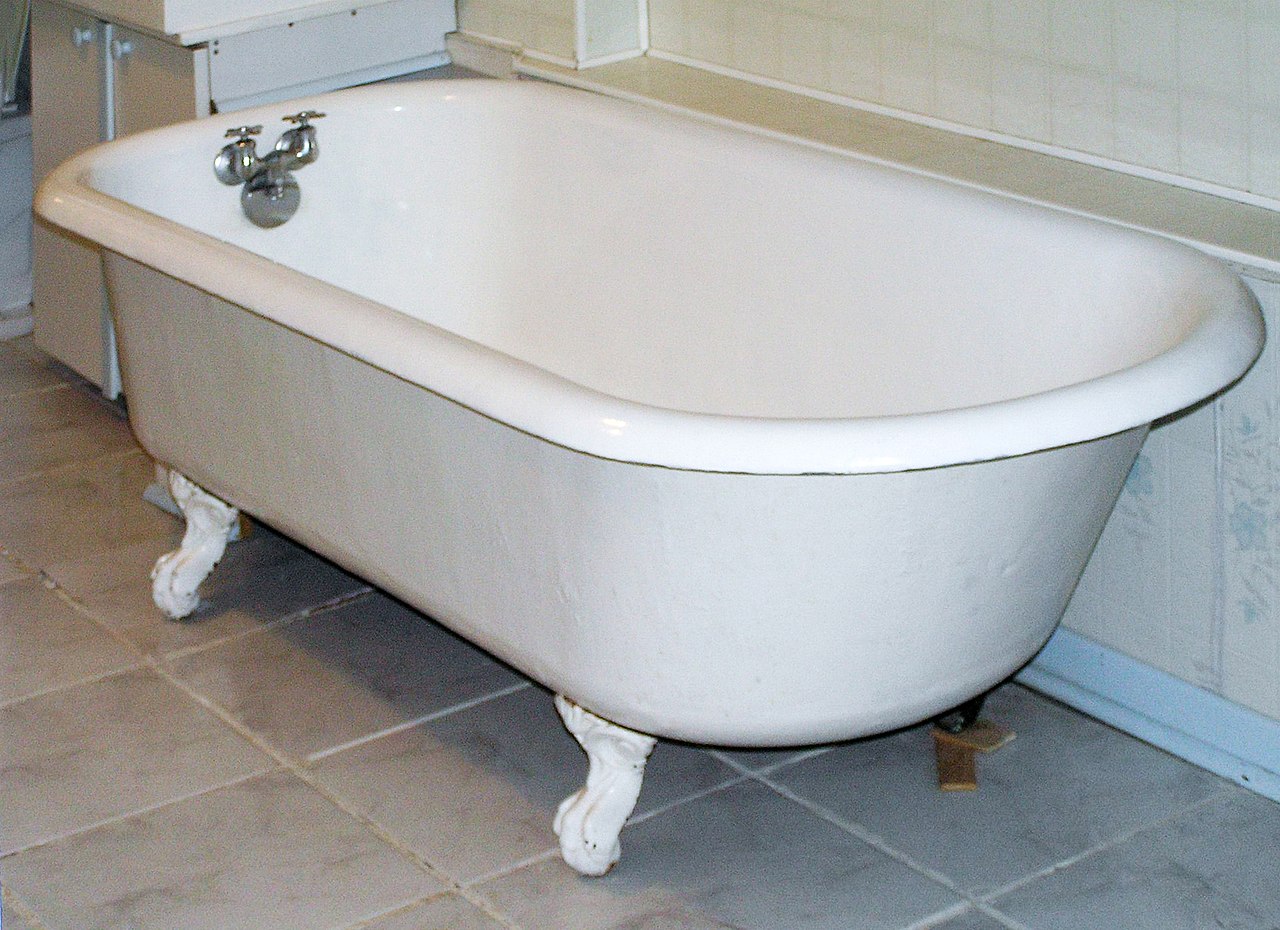
Baths come in many forms to suit different needs and spaces. Common types include built-in alcove tubs, freestanding tubs, clawfoot tubs, soaking tubs with deeper basins, jetted or whirlpool tubs with mechanical circulation, and walk-in tubs designed for accessibility. Materials affect weight, warmth, durability and cost: cast iron with enamel, acrylic, fiberglass, porcelain-on-steel, and stone or composite tubs are among the usual choices.
- Built-in: surrounded by walls or decking and often combined with a shower.
- Freestanding: installed away from walls, used for aesthetic or design emphasis.
- Walk-in: low-threshold doors for people with mobility limitations.
- Jetted/Whirlpool: incorporate pumps for massage-like circulation.
Bathing liquids and additives
Though most baths contain plain water, other liquids or additives are sometimes used for therapeutic or ritual purposes. People add mineral salts, essential oils, bubble baths, or milk-based mixtures to alter feel, scent, or purported effects. Historical spa baths often relied on naturally mineralized water; contemporary hydrotherapy may use warm, cool, or aerated water and other substances to enhance the experience or treatment. The use of alternative bathing media is discussed in sources about other liquids.
Historical and cultural context
Communal and private bathing has a long history across cultures. Archaeological evidence points to bathing facilities in Bronze Age societies, and classical civilizations developed complex bathing customs. The ancient Minoan site at Knossos and various Greek and Roman complexes show that baths served both hygienic and social purposes. The Romans built large public complexes — the thermae — alongside smaller neighborhood baths called balneae; these public facilities were found throughout the Roman Empire and combined bathing with exercise and socializing. The English city name Bath derives from such Roman thermal baths, and broader studies of Roman bathing appear in literature on the Roman Empire.
Health, therapeutic use and social roles
Bathing can be purely hygienic, but it is also used for relaxation, therapy and ritual. Balneotherapy and hydrotherapy describe treatments that use heated water, mineral-rich springs, or contrasting temperatures to relieve muscle pain, improve circulation, reduce stress and support rehabilitation. Many spa traditions and modern wellness practices incorporate aromatic oils, salts and guided soaks. Medical and wellness literature addresses bathing for health and rehabilitation; general guidance is available in resources about health.
Modern considerations and notable distinctions
Today baths remain common in homes and public spas, but their design reflects concerns about water conservation, safety and accessibility. Walk-in tubs, anti-slip surfaces, grab bars and thermostatic controls reduce hazards, while low-flow filling methods and mindful usage aim to limit water waste. Terminology varies by region: "bath" and "bathtub" are both correct but preferred differently in British and American English. Public bathing survives in many forms — from thermal springs and spa resorts to community pools and wellness centers — continuing a long tradition that combines cleanliness, health and social life.
For further reading on fixtures, historical sites, health recommendations and water conservation, consult specialist texts and reputable online resources such as facility guides, heritage studies and public health material represented by the links above.
Author
AlegsaOnline.com Bath (bathtub): design, history, uses and cultural significance Leandro Alegsa
URL: https://en.alegsaonline.com/art/9367