
Drum machine: electronic percussion instrument and sequencer
A drum machine is an electronic instrument that produces percussion sounds and rhythmic patterns. Used in many musical styles, it ranges from analog circuits to sample-based units and software sequencers.
A drum machine is a type of electronic musical instrument designed to generate percussion sounds and arrange them into repeating patterns. While its original aim was to imitate acoustic drums, producers and performers often use the instrument for its distinctive textures. Drum machines are central to many strands of electronic music, and they have shaped the rhythms of pop, hip hop, dance and experimental styles.
Image gallery
10 Images
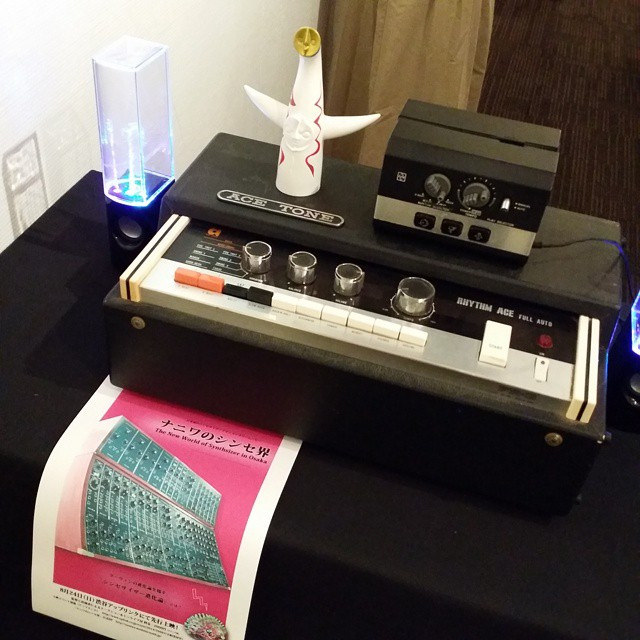


Characteristics and main parts
Most drum machines combine sound generation with a pattern sequencer and controls for tempo, dynamics and arrangement. Common elements include:
- Sound engine: analog synthesis, sampled PCM sounds, or digital modeling that produce kicks, snares, hats and percussion.
- Step sequencer: a grid of buttons or pads for programming repeating patterns and accents.
- Controls: tempo, swing/shuffle, tuning, decay and effects for shaping each voice.
- Connectivity: MIDI, audio outputs and sync facilities to integrate with other gear.
Designs vary from simple preset rhythm boxes to deep programmable machines with multi-track arrangement and storage for user patterns.
History and evolution
Early experiments in automatic rhythm date back to electro-mechanical and experimental devices from the early 20th century, while commercial rhythm units grew in the mid-20th century. In the 1970s and 1980s manufacturers developed both fully analog drum circuits and sampled-sound units. Landmark models from that era introduced signature tones and workflows that influenced entire genres. The introduction of MIDI and digital sampling expanded integration and sound realism, while later software recreations placed drum machines inside modern digital audio workstations.
Producers embraced drum machines both for their convenience and for unique sonic character—examples include thick analog kicks, crisp digital snares, and programmable swing that give rhythmic feel.
Uses, impact and distinctions
Drum machines are used in songwriting, studio production, live performance and practice. They differ from drum samplers (focused on raw sample playback), electronic drum kits (playable pads mimicking drums) and sequencers (which may control many instrument types). A distinctive trait is deliberate limitation: simple voice sets and pattern memory often lead musicians to creative solutions.
Today hardware drum machines coexist with software instruments. Boutique manufacturers and vintage reissues remain popular, while software offers deep editing and recall. Across decades, drum machines have done more than replace drummers—they have created new rhythmic languages and textures that remain central to modern music.
For further technical overviews and historical accounts, see manufacturer documents and genre studies linked from authoritative music-technology resources.
Related articles
Author
AlegsaOnline.com Drum machine: electronic percussion instrument and sequencer Leandro Alegsa
URL: https://en.alegsaonline.com/art/29028