
Rolling Stone: history, coverage, and cultural influence
Rolling Stone is an American popular-culture magazine founded in 1967, known for music journalism, long-form features, reviews, photography and political commentary.
Overview
Rolling Stone is an American popular culture magazine that has covered music, film, television, politics and celebrity life since the late 1960s. Originally built around rock music and youth culture, it expanded to include long-form reporting, cultural criticism, album and movie reviews, and editorial commentary on public affairs.
Image gallery
3 Images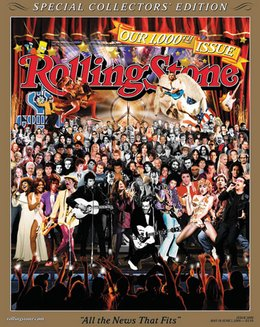


History and development
The magazine was founded in 1967 in San Francisco, California by Jann Wenner and Ralph J. Gleason. In its early years Rolling Stone became associated with the counterculture and the music scene of the era, publishing extensive interviews and feature journalism. Over subsequent decades the title broadened its subject matter and underwent changes in format, ownership and distribution as print media faced digital competition.
Content, format and style
Rolling Stone is known for a mix of feature writing, criticism and visual presentation. Regular elements include investigative and profile pieces, album and film reviews, photo essays and curated lists such as "greatest of all time" rankings. The magazine's covers and photography have often had a wide cultural reach, turning some cover images into iconic representations of artists or moments in popular culture.
Notable contributors
Many writers, critics and artists associated with the magazine have influenced its voice. Prominent contributors include Hunter S. Thompson, whose gonzo style left a mark on its journalism, film critic Peter Travers, and artist Ralph Steadman. Other figures with ties to the magazine include PJ O'Rourke, Cameron Crowe—whose experiences there inspired the film Almost Famous—and photographers such as Annie Leibovitz.
Influence, reception and distinctions
Rolling Stone has played a significant role in shaping music criticism and public conversation about culture and politics in the United States and beyond. Its investigative pieces and long-form profiles have won attention and sometimes controversy; editorial stances and choices of coverage have periodically been debated. Like many legacy magazines it has adapted to changes in media consumption by developing an online presence alongside its print editions.
Typical sections
- News and cultural reporting
- Features and long-form journalism
- Album and film reviews
- Photo essays and cover stories
- Opinion, politics and lists
Related articles
Author
AlegsaOnline.com Rolling Stone: history, coverage, and cultural influence Leandro Alegsa
URL: https://en.alegsaonline.com/art/83821