
Spin (magazine)
Spin was an American music magazine founded in 1985 that covered rock, hip hop and alternative music; it changed owners several times, shifted editorial focus, and ceased regular print publication in 2012.
Overview
Spin was an American music publication founded in 1985 as an alternative voice to mainstream outlets. It aimed to document and critique contemporary popular music, with particular attention to emerging scenes such as alternative rock, hip hop and independent artists. For much of its run Spin was positioned as a competitor to larger, more established magazines such as Rolling Stone, offering different editorial priorities and a looser, youth-oriented tone.
Image gallery
2 Images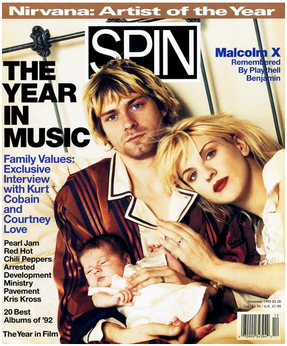

Founding and editorial identity
Bob Guccione, Jr. established Spin to pursue a blend of criticism, long-form journalism and cultural reportage centered on music and its surrounding lifestyles. The magazine cultivated a reputation for early coverage of underground and rapidly rising artists, and for treating music as part of broader cultural and political trends. Regular features included album reviews, artist interviews, photo essays and scene reports that emphasized discovery and criticism over celebrity merchandising.
Ownership changes and editors
Spin went through several ownership transitions during its history. In 1997 the title was sold to Miller Publishing. In February 2006 Miller sold Spin for under US$5 million to a San Francisco–based buyer that organized the title under a new holding company, Spin Media LLC. Editorial leadership also shifted: Sia Michel, who had been editor-in-chief, was replaced in 2006 by Andy Pemberton, formerly of Blender. Pemberton's tenure was short; the first issue prepared under his oversight featured Beyoncé on the cover, and he departed later that year. Doug Brod, a long-time editorial staffer, became editor-in-chief in January 2007 after serving as executive editor.
Print, digital transition and decline
Like many niche cultural magazines, Spin struggled with the broader challenges facing print media in the Internet era. Declining print advertising and shifting reader habits pushed the brand to expand its online presence and to experiment with different business models. Regular, widely distributed print publication ended in 2012 when Spin ceased producing a consistent print edition and emphasized digital publishing. Ownership and management continued to evolve in subsequent years as the brand persisted online.
Notable features and legacy
- Spin was known for championing emerging artists and scenes that were overlooked by mainstream outlets.
- The magazine published influential criticism, year-end lists and long-form features that shaped tastes among younger readers.
- Spin's history illustrates broader trends in music journalism: the rise of alternative coverage in the 1980s–90s and the difficulties of sustaining print magazines after the arrival of digital media.
Today Spin is remembered as an important chronicle of late 20th- and early 21st-century popular music culture. Its archives and the careers it helped launch continue to be referenced by writers, scholars and fans interested in the period's musical and cultural shifts. For more context on music publications and the changing media landscape, see related resources and histories of music journalism.
magazine | music | Rolling Stone | holding company | Blender | Beyoncé
Related articles
Author
AlegsaOnline.com Spin (magazine) Leandro Alegsa
URL: https://en.alegsaonline.com/art/92676
Sources
- sfgate.com : San Francisco Chronicle S.F. group buys 20-year-old rock music magazine Spin
- mediawiredaily.com : Hartle Media into Spin-ing Blender
- musicnation.com : Doug Brod bio