
Bermuda International Airport (L.F. Wade International Airport)
Primary international airport serving Bermuda, handling international flights and cargo. Known as L.F. Wade International Airport (IATA: BDA), it operates a single passenger terminal and supports widebody aircraft.
Overview
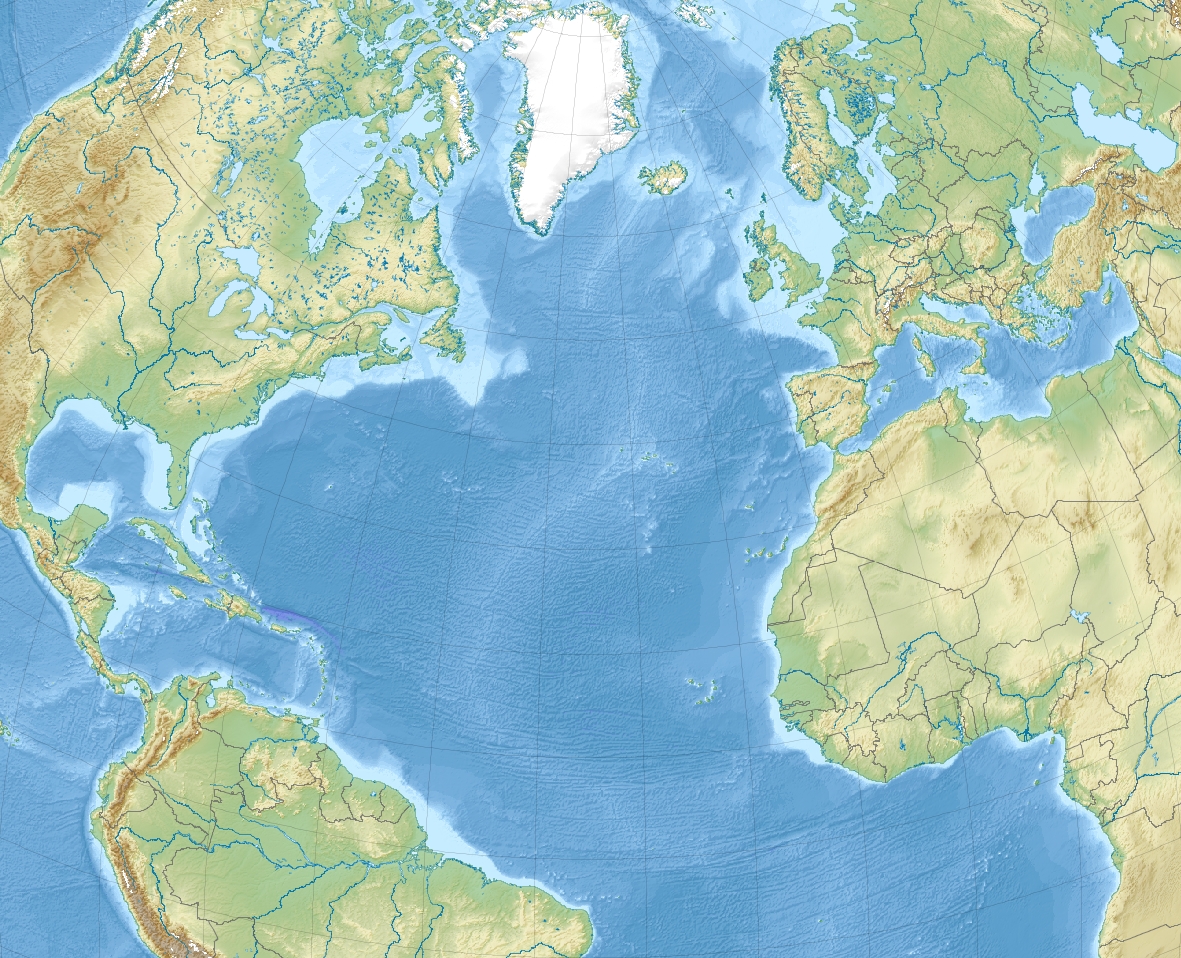
Bermuda International Airport, officially also called L.F. Wade International Airport, is the principal civil aviation gateway for the island of Bermuda. It is identified by the IATA code BDA (IATA) and by its ICAO code TXKF. The field serves international connections to North America and Europe and lies within the British Overseas Territory of Bermuda in the North Atlantic (North Atlantic Ocean). The airport serves both scheduled passenger traffic and cargo operations.
Image gallery
4 Images


Location and status
The airport is the island’s main air link and is situated on territory administered as an overseas possession of the United Kingdom (overseas territory, United Kingdom). Its island location shapes many operational considerations — approaches and departures cross stretches of open water and available land is limited compared with mainland airports. The facility is regularly referenced in travel and transport summaries about Bermuda (Bermuda).
Facilities and operations
Facilities are compact and configured to handle international arrivals and departures through a single passenger terminal (passenger terminal). A separate cargo terminal (cargo terminal) supports freight movements. Apron and gate space include multiple aircraft stands (aircraft stands) capable of accommodating a range of airliners. The airport infrastructure is capable of accepting large widebody types — up to historic-generation models such as the Boeing 747 (Boeing 747), and it also handles modern long-range twins.
Traffic, airlines and destinations
Passenger volumes have varied over time; for example, in the mid-2000s annual traffic was reported to be on the order of several hundred thousand passengers (around 900,000 reported in one year). Scheduled services link Bermuda with Canada (Canada), the United States (United States), and the United Kingdom, among other points. A number of international carriers operate routes to the island. The largest aircraft used in regular scheduled service to Bermuda have included widebody types operated by carriers such as British Airways, which has flown variants of the Boeing 777-200 on some routes.
History and development
The modern airport evolved from mid-20th-century airfield development in the region and has been adapted over time to accommodate changing aircraft technology and markets. Limited land area and environmental concerns have guided development choices and constrained expansion options. Terminal, apron, and support facilities have been upgraded periodically to meet contemporary safety, security, and passenger-service standards.
Importance and notable facts
- The airport is the principal international gateway for visitors and residents traveling to and from Bermuda and is essential for tourism and business travel.
- Its single-terminal setup concentrates passenger processing but requires careful scheduling and gate management during peak periods.
- Because of island constraints, the field can routinely handle large aircraft, yet operations must account for crosswinds, short overland approaches, and maritime weather.
Access and ground transport
Ground connections from the airport to population centers include taxis and local bus services; vehicle hire and private transfer options are widely used by travelers. As a compact community, Bermuda provides relatively short onward journeys between the airport and major hotels or ferry terminals.
Further information
For current flight schedules, airline listings, terminal services, and official notices visitors and researchers should consult authoritative sources and carrier information pages (airport information pages and individual airline sites). Historical traffic reports and operational details are useful for understanding seasonal patterns and infrastructure planning (passenger statistics).
Tags
Related articles
Author
AlegsaOnline.com Bermuda International Airport (L.F. Wade International Airport) Leandro Alegsa
URL: https://en.alegsaonline.com/art/10769
Sources
- bermuda-online.org : Bermuda's L. F. Wade International Airport