
Amsterdam Airport Schiphol
Major international airport serving the Netherlands, known for a single-terminal design, extensive connections, and role as the primary hub for KLM and several Dutch carriers.
Overview
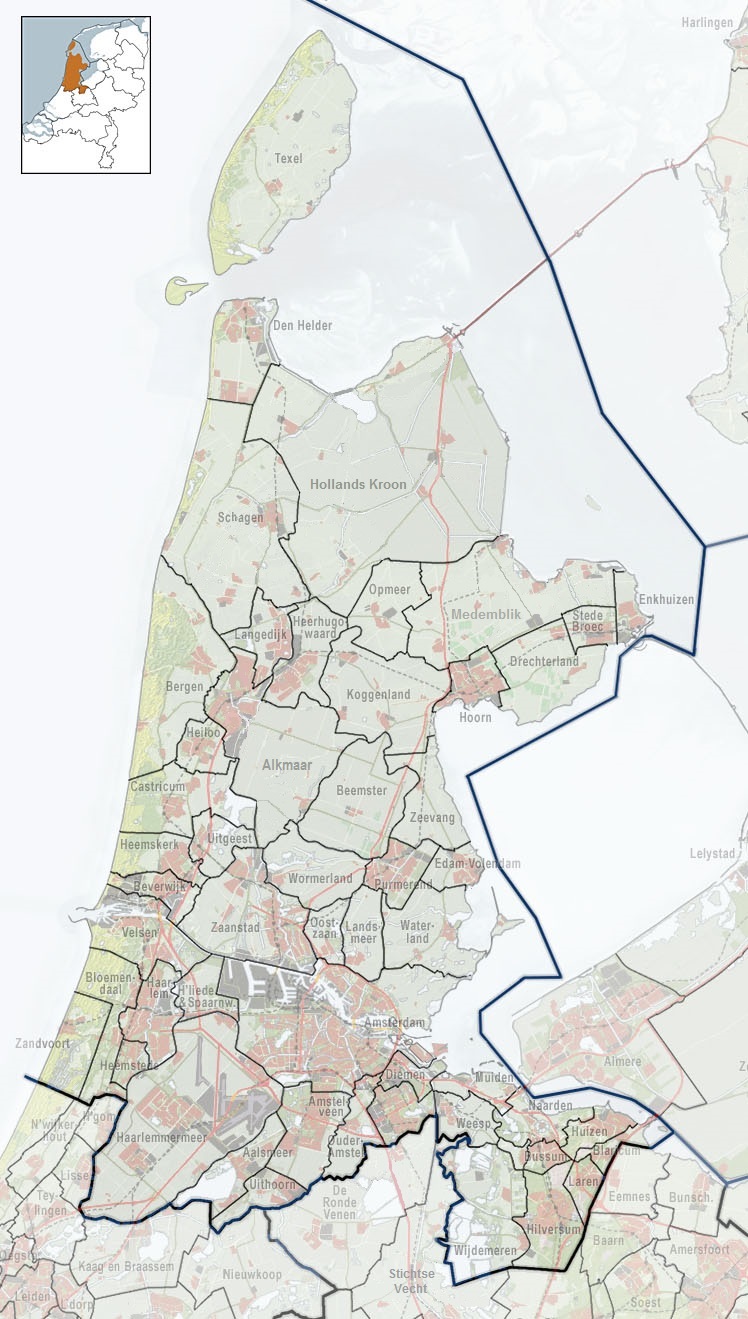
Amsterdam Airport Schiphol is the principal international airport of the Netherlands, commonly called Schiphol. Its Dutch name is Luchthaven Schiphol and it is identified in aviation systems by the IATA code AMS and the ICAO code EHAM. Located roughly southwest of central Amsterdam, Schiphol functions as the country's principal gateway for passengers and air freight and as a major European connection point. It is widely regarded as one of Europe's busiest airports and handles a dense mix of short-haul, long-haul and cargo services.
Image gallery
10 Images


Characteristics and layout
Schiphol is noted for a single large terminal complex with multiple departure halls and piers rather than separate numbered terminals; this design simplifies connections between flights. The airport sits in a reclaimed polder area, with runways laid out in a pattern that supports continuous operations in different wind conditions. Schiphol has several runways and a large apron system to accommodate scheduled and freight aircraft, and extensive passenger facilities including shops, restaurants and lounges.
History and development
The airport originated in the early 20th century as a military airfield and developed over decades into the national civil hub. Growth in scheduled airline networks after World War II, expansion of intercontinental services, and investment in ground transport and freight handling transformed Schiphol into the Netherlands' main airport. The site has been repeatedly modernized to handle increasing passenger volumes and to support technological and security improvements.
Airlines, routes and transport links
Schiphol serves as the primary hub for KLM and is an important base for several Dutch carriers, including national and leisure airlines. It also supports major international operators; for example, Delta Air Lines operates significant transatlantic connections through Schiphol. Ground access is strong: a railway station beneath the terminal provides frequent services to Amsterdam and other Dutch cities, complemented by road, coach and local transit links to the surrounding region.
Uses, importance and notable facts
- Hub function: the single-terminal design and short transfer distances make Schiphol a preferred transfer point for many international itineraries.
- Cargo and logistics: the airport handles substantial air freight and supports dedicated cargo operators and express services.
- Cultural and passenger amenities: Schiphol hosts art displays and museum annexes, a broad retail offer, and a range of passenger services that reflect its role as a long-distance hub.
- Location: positioned in reclaimed land, the airport lies below much of the surrounding terrain and is connected closely to national infrastructure.
For visitors and travellers, Schiphol's combination of extensive route options, frequent rail connections to Amsterdam, and a compact transfer environment define its ongoing importance to Dutch transport and to international aviation.
Tags
Related articles
Author
AlegsaOnline.com Amsterdam Airport Schiphol Leandro Alegsa
URL: https://en.alegsaonline.com/art/3678
Sources
- news.delta.com : Delta news · webcitation.org
- schiphol.nl : - Transport and Traffic statistics
- memphisdailynews.com : Delta Makes Amsterdam Flight Seasonal - Memphis Daily News