
Birmingham Airport (BHX) — overview, facilities and history
Major civil airport east-southeast of Birmingham, England. Covers location, terminals, transport links, historical passenger trends, airlines and regulatory status.
Overview
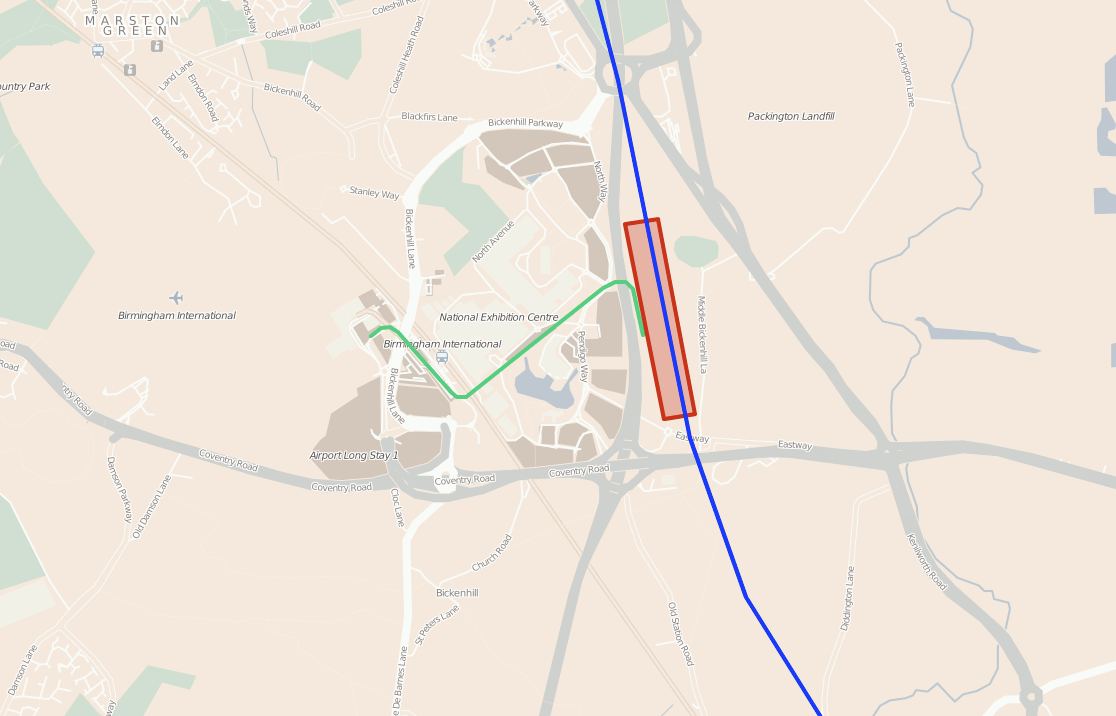
Birmingham Airport is the primary commercial airport serving the city of Birmingham, England. It lies about 5.5 nautical miles (c.10 km) east-southeast of Birmingham city centre and sits within the administrative area of the Metropolitan Borough of Solihull in the West Midlands. The airport handles scheduled domestic and international passenger services, as well as cargo, private and general aviation operations. It is commonly identified by its IATA code BHX.
Image gallery
10 Images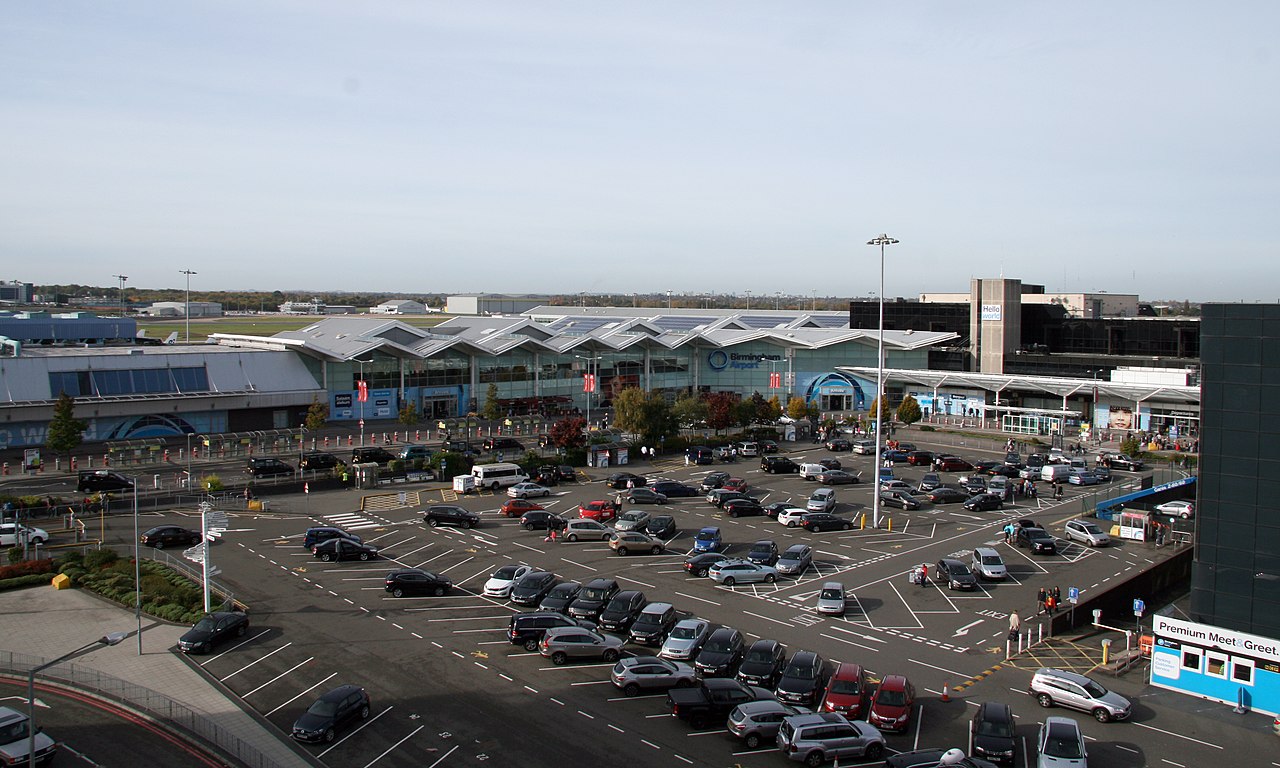



Facilities and layout
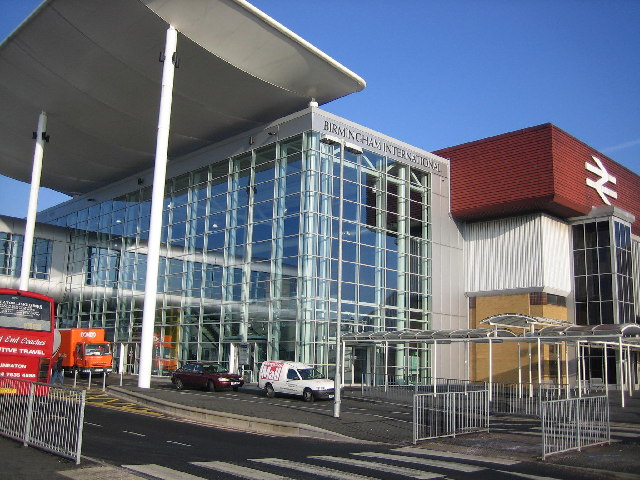
The airport has a main passenger terminal complex with a range of facilities for travellers, including check-in halls, security screening, duty-free shopping, lounges and food and beverage outlets. Airside and landside services support both short-haul and long-haul operations. Key on-site features and nearby infrastructure include rail connections, motorway access and dedicated car parking.
- Runways and aprons capable of handling medium and long-haul aircraft.
- Passenger terminal with multiple piers and gates.
- Cargo handling facilities and aircraft maintenance areas.
- Surface access: Birmingham International railway station, bus links and direct motorway access (M42).
Routes, airlines and traffic
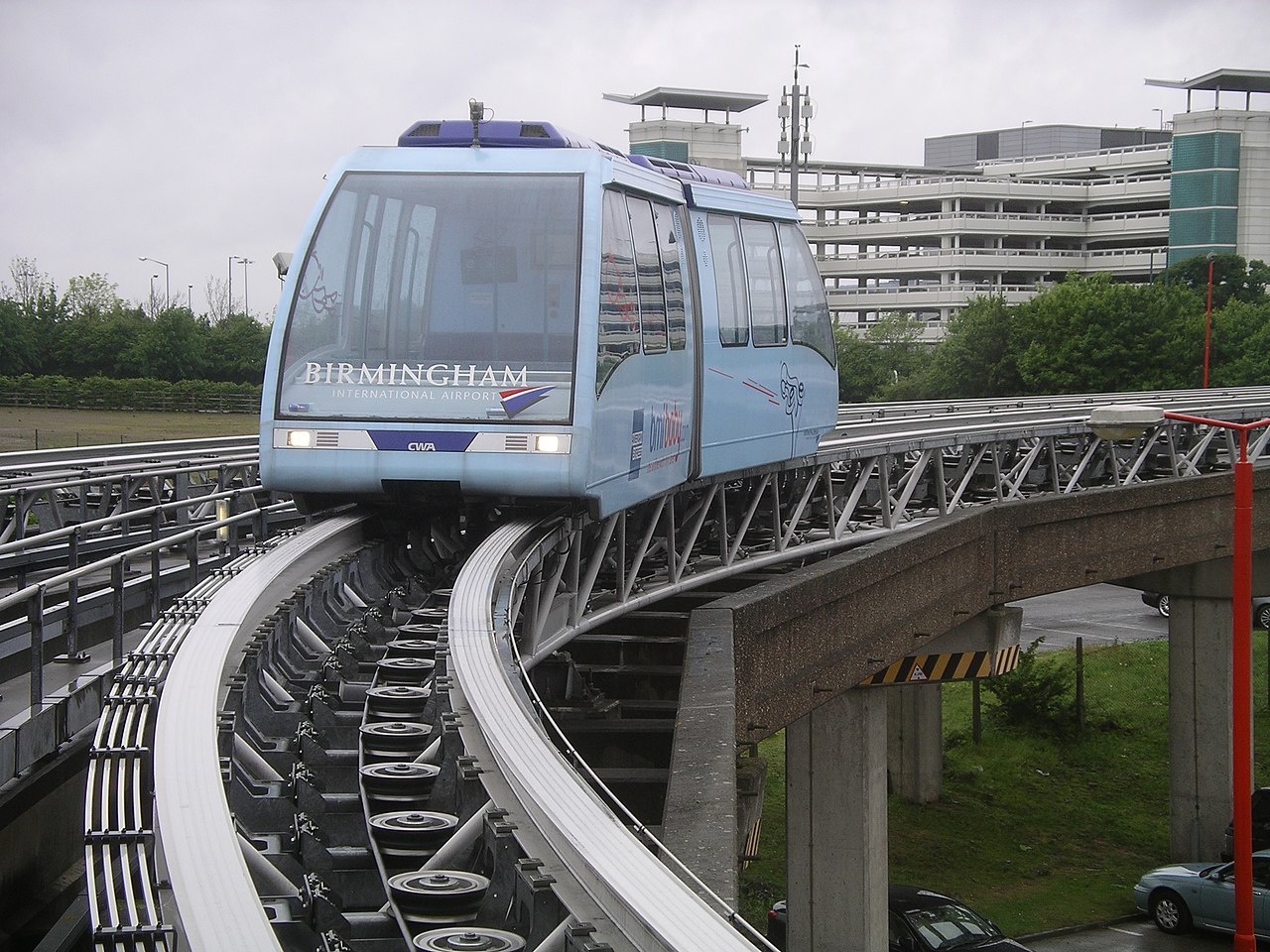
Birmingham Airport serves a mix of domestic UK routes and international destinations. Regular services connect the airport with cities across Europe and further afield to regions such as the Middle East, Pakistan, North America and the Caribbean. It has been used as a base by low-cost carriers such as Ryanair, and historically hosted airlines including bmibaby and other charter operators. Passenger numbers have varied over time; for example the airport handled roughly 9.6 million passengers in 2008, falling to about 8.57 million in 2010, when it ranked among the busiest airports in the United Kingdom.
History and development
Originally developed in the mid-20th century to serve the industrial Midlands, Birmingham Airport has expanded in successive phases to accommodate rising passenger and freight demand. Investment programs over the decades have modernised terminals, extended runway and apron capacity and improved public transport links. The site is adjacent to major exhibition and leisure facilities that have influenced passenger traffic patterns.
Ground transport and connections
Ground transport is a significant strength: the adjacent Birmingham International railway station provides scheduled rail services to the city centre and national network, while rapid road access via the M42 and feeder roads links the airport to a wide catchment area. On-site parking, coach services and car hire facilities support onward travel for business and leisure passengers.
Regulation, safety and notable facts
The airport operates under a Civil Aviation Authority Public Use Aerodrome Licence (P451), permitting public transport of passengers and flight training. Beyond passenger services, the airport forms part of the region's broader transport and economic infrastructure, contributing to tourism, trade and employment in the West Midlands.
Further information
For schedules, airline lists and current operational notices consult official airport sources or airline websites. The airport's role continues to evolve with demand, regulatory change and developments in aviation technology and ground transport.
Questions and answers
Q: What is Birmingham Airport?
A: Birmingham Airport is an airport near the City of Birmingham, England. It is located 5.5 nautical miles (6.1 miles or 10.2 kilometers) east southeast of Birmingham city centre.
Q: What type of flights does the airport offer?
A: The airport offers both domestic flights within the UK and international flights to destinations in Europe, the Middle East, Pakistan, North America and the Caribbean.
Q: How many passengers did it handle in 2008?
A: In 2008, Birmingham Airport handled 9.6 million passengers.
Q: What airlines are based at the airport?
A: The airport is a base for Ryanair, as well as charter airlines Bmibaby and Thomson Airways.
Q: Does it have a CAA licence?
A: Yes, Birmingham has a CAA (Civil Aviation Authority) Public Use Aerodrome Licence (Number P451). This allows flights for public transport of passengers or for flying instruction.
Tags
Related articles
Author
AlegsaOnline.com Birmingham Airport (BHX) — overview, facilities and history Leandro Alegsa
URL: https://en.alegsaonline.com/art/11735
Sources
- airportwatch.org.uk : "Birmingham Airport"
- flybe.com : "Birmingham: A hassle free alternative for long-haul travel"
- nats-uk.ead-it.com : "NATS - AIS - Home"
- caa.co.uk : "Aircraft and passenger traffic data from UK airports"
- birminghamairport.co.uk : "We're saying 'Hello World' as we relaunch our brand"