
Charlotte Douglas International Airport
Major civil–military airport serving Charlotte, North Carolina (IATA: CLT). A longtime airline hub, it has grown since 1936 into a major U.S. and international gateway with large passenger and cargo operations.
Charlotte Douglas International Airport is the primary air passenger and cargo gateway for the Charlotte region and a principal hub for scheduled airlines. Identifiers commonly used for the airport include the IATA code CLT, the ICAO designation KCLT, and the FAA location identifier CLT. Physically located within the city limits of Charlotte in the state of North Carolina, the airport functions as a mixed civil–military facility and serves a large catchment area in the southeastern United States.
Image gallery
10 Images


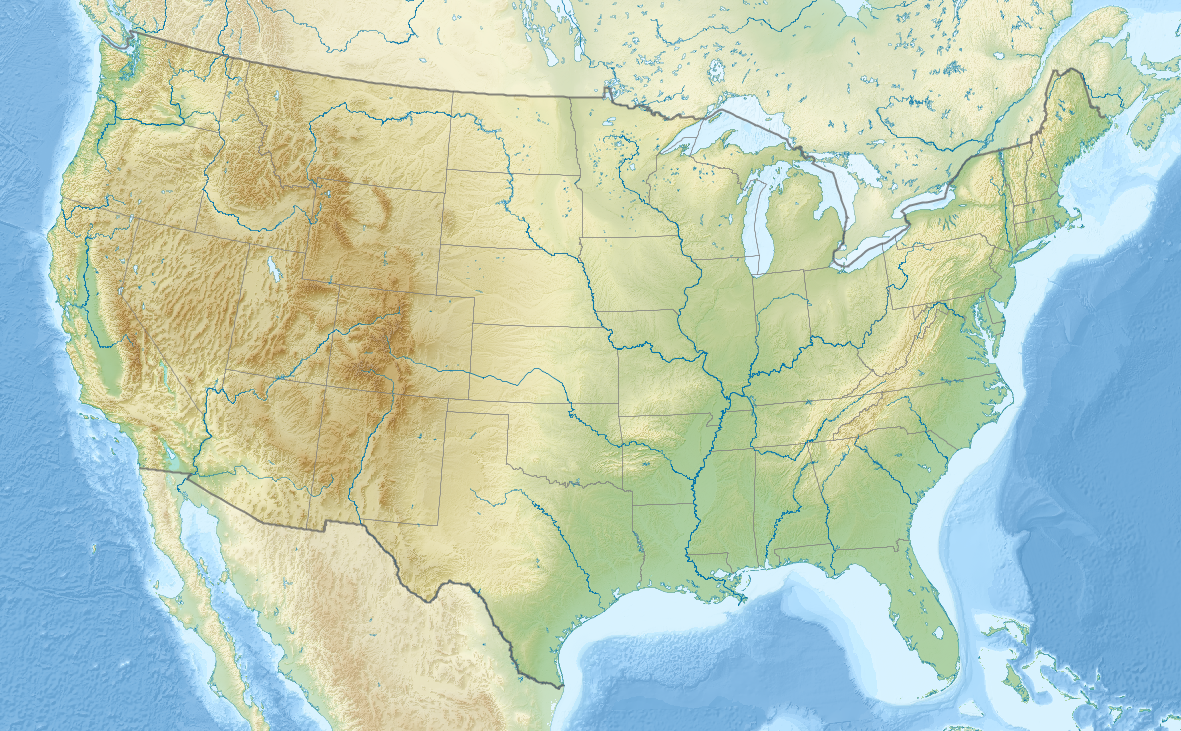





Overview and operations
Charlotte Douglas is organized around a central terminal complex with multiple concourses that handle domestic, regional and international flights. The airport supports a mix of scheduled passenger services, air cargo operations and general aviation activity. It has long served as a strategic connecting hub for legacy carriers and remains one of the busiest airports in the United States by flight movements and passenger volumes.
Key features
- Single-terminal layout with several concourses to streamline connections between flights.
- Comprehensive passenger facilities including ticketing, baggage handling, and international arrival services.
- Significant cargo handling capacity and ground services for freight carriers.
- Civil–military arrangements that accommodate selected military operations alongside civilian traffic; the airport operates under a joint-use model (civil–military).
The airport’s role as a connecting hub is historically linked to the development of domestic airlines that established large operations there. For many years it was the principal hub for US Airways, and after that carrier’s consolidation with American Airlines in 2015 the facility became an important center within American’s route network. It is often described as one of the airline’s larger hubs (hub).
History and development
The airfield opened in the mid-1930s as Charlotte Municipal Airport and grew in stages over subsequent decades. In 1954 the facility was renamed Douglas Municipal Airport in honor of a former local mayor; the name evolved into Charlotte Douglas International Airport as international services expanded. Over time the airport has undergone multiple capital-improvement programs to add capacity, modernize passenger areas and support larger jet operations.
Traffic, significance and access
Charlotte Douglas has consistently ranked among the busier world and U.S. airports. For example, it was cited among the top airports worldwide by aircraft movements in the early 2010s and by passenger volume in the same period. These rankings reflect both local demand and the airport’s role as a connecting point for airline networks. Ground access includes highways, public transit connections, shuttle services, taxis, ride-hail options and on-site rental car and parking facilities.
Uses, economy and future
The airport supports regional business travel, tourism and international connections, and it contributes significantly to the local and state economy through jobs and freight activity. Ongoing planning and expansion efforts focus on improving passenger experience, increasing gate capacity, and enhancing airfield and terminal infrastructure to meet projected traffic growth. Travelers and researchers can find operational details, flight information and development plans through official resources and airline schedules (IATA/airport code, FAA data).
Charlotte Douglas continues to be a central transportation asset for the Carolinas and a pivotal node in North American air transport networks, balancing high-volume commercial traffic with cargo and select military use while evolving to serve future demand.
Questions and answers
Q: What is Charlotte Douglas International Airport?
A: Charlotte Douglas International Airport is a public international airport located in Charlotte, North Carolina.
Q: What is its IATA code?
A: Its IATA code is CLT.
Q: When was the airport opened?
A: The airport was opened in 1936 as the Charlotte Municipal Airport.
Q: Who was it named after in 1954?
A: It was renamed the Douglas Municipal Airport after former mayor of Charlotte Ben Elbert Douglas, Sr.
Q: Was it the largest hub for US Airways?
A: Yes, it was the largest hub for US Airways.
Q: What happened to US Airways in 2015?
A: In 2015, US Airways was combined with American Airlines.
Q: What is Charlotte's current status as a hub for American Airlines?
A: Charlotte is the 2nd largest hub for American.
Tags
Related articles
Author
AlegsaOnline.com Charlotte Douglas International Airport Leandro Alegsa
URL: https://en.alegsaonline.com/art/18827
Sources
- gcr1.com : FAA Airport Master Record for CLT
- gcr1.com : Form 5010
- cltairport.com : "CLT Traffic and Activity Reports"
- transtats.bts.gov : "The Bureau of Transportation Statistics"
- anna.aero : "US Airways defying US trends with healthy growth at its main Charlotte hub" · web.archive.org