
Airport Terminal: Design, Function, Types, and Notable Examples
Comprehensive overview of airport terminals: purpose, layout, passenger processing, baggage and security systems, architectural variations, types of terminal arrangements, accessibility, sustainability, and notable examples.
Overview
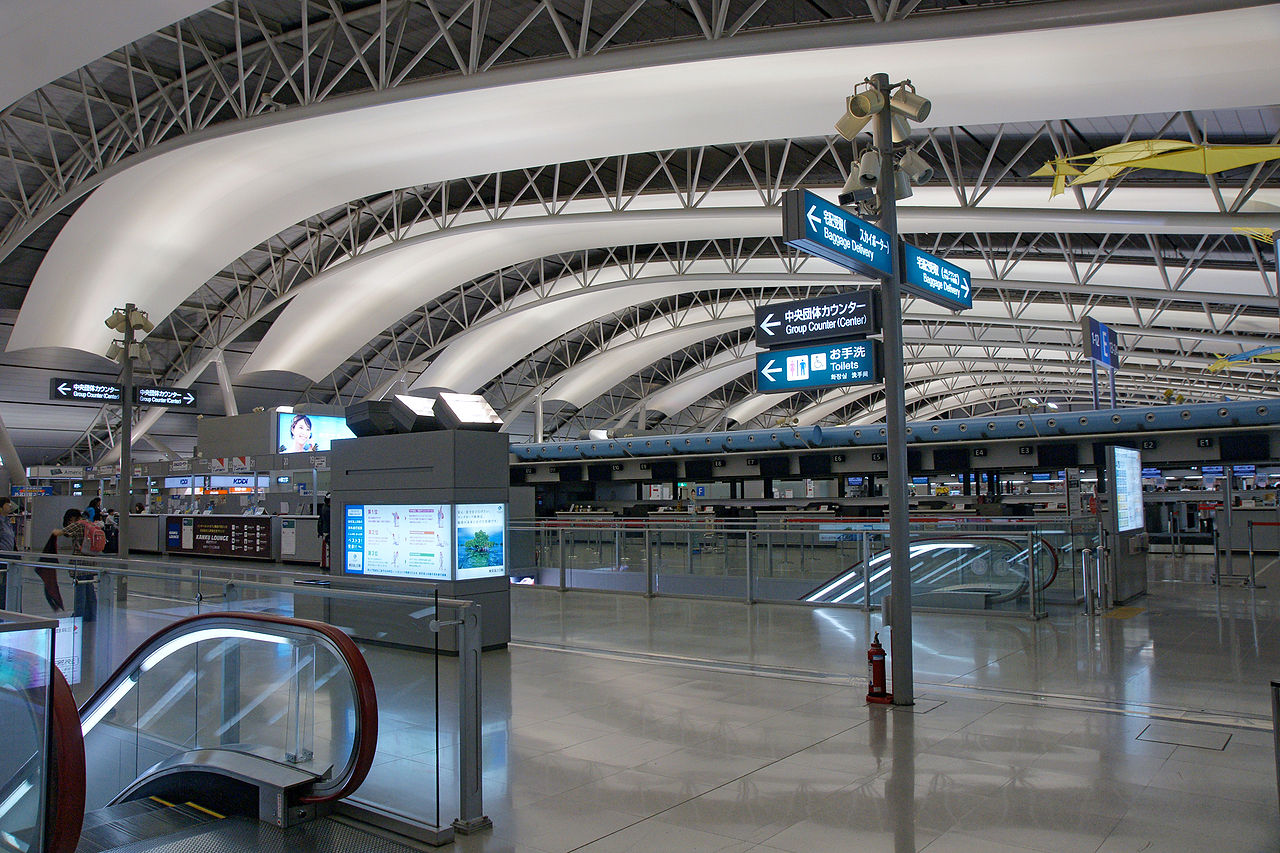
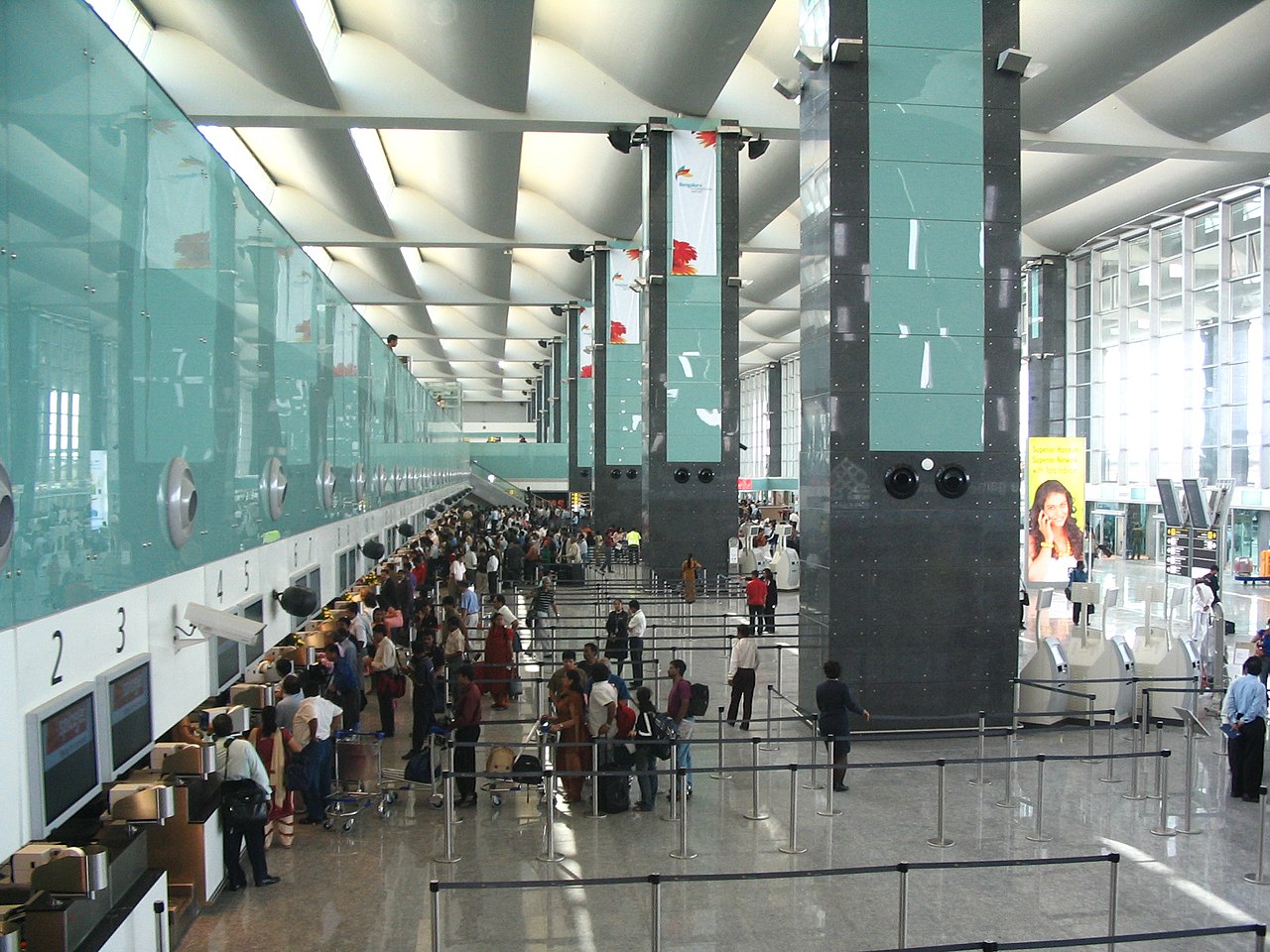
An airport terminal is the building or group of buildings at an airport where passengers begin and end air journeys and where many ground‑side and air‑side services are provided. Terminals act as the interface between surface transport and aircraft, and they accommodate functions such as check‑in, security screening, baggage handling, waiting areas, retail and food services, and access to departure gates. In many airports the word "concourse" refers to the areas that provide direct access to aircraft gates, though the terms are sometimes used interchangeably.
Image gallery
10 Images






Layout and key components
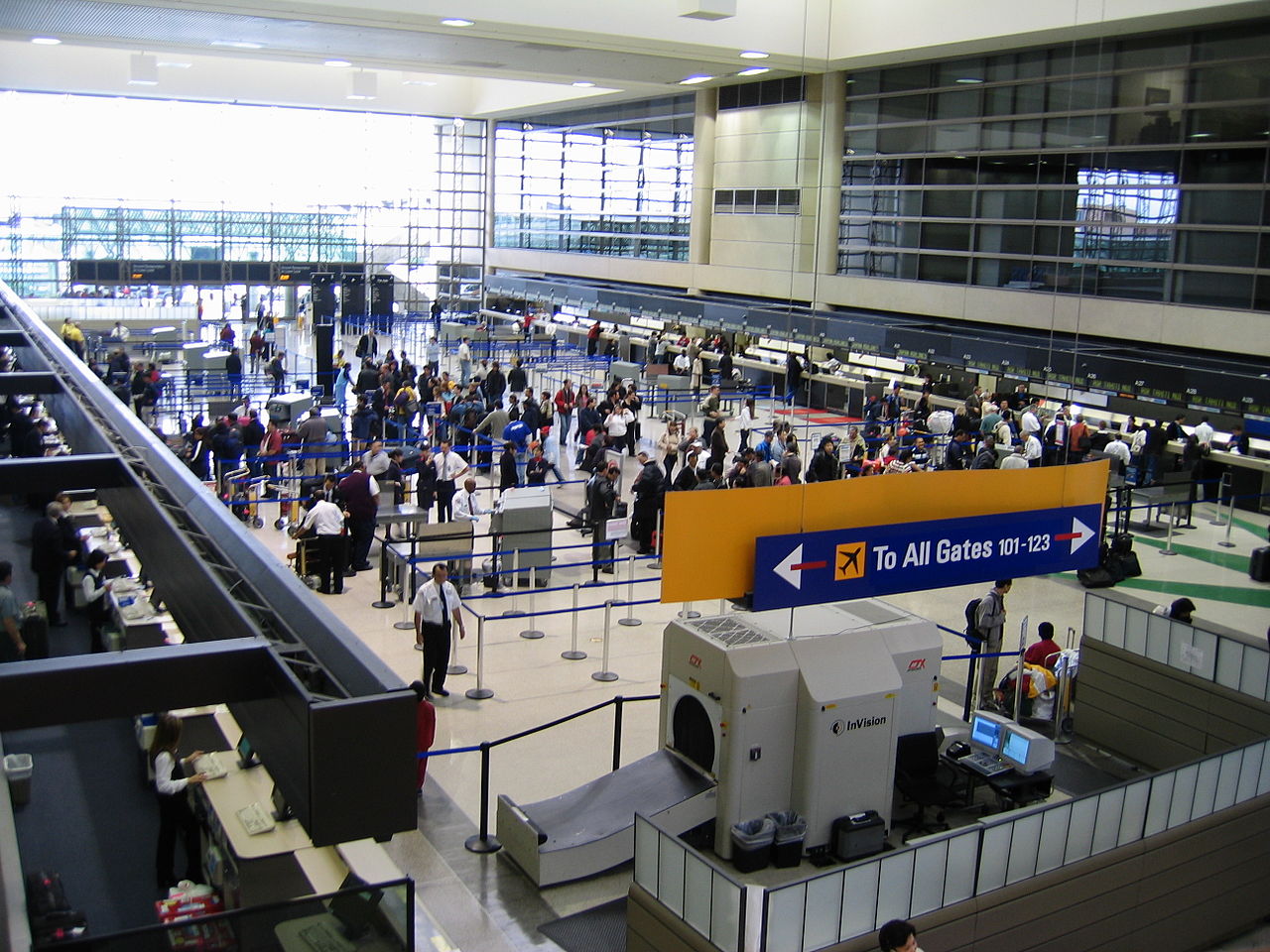
Terminal design varies to suit passenger volumes, available land, and operational priorities. Common elements include curbside drop‑off and pick‑up areas, a departures hall for ticketing and check‑in, security checkpoints separating public and sterile zones, gate lounges, and arrivals areas with baggage claim and immigration. Airside connections to aircraft can be by jet bridges, apron buses or walkways. Terminals may be arranged as single linear buildings, pier and finger layouts, satellite concourses connected by people movers, or collections of separate terminals linked by roads or automated transit. For specific examples of airport planning see facilities such as Denver International Airport and city‑center terminals like LaGuardia.
Primary functions and passenger processing
- Check‑in and ticketing: counters and automated kiosks where passengers obtain boarding passes and check baggage.
- Security screening: controlled access into sterile areas, with screening of people and carry‑on items to meet regulatory standards.
- Immigration and customs: passport control and customs processing for international arrivals and departures.
- Baggage handling: systems that sort, transport and deliver checked luggage, including baggage reclaim on arrival.
- Retail, services and passenger comfort: shops, dining, lounges, information services and other amenities.
These stages shape the journey from curb to gate and back again. Modern terminals increasingly use technologies such as online and self‑service check‑in, automated bag drop, biometrics for identity verification, and real‑time information displays to streamline passenger flow.
Security, operations and ground handling
Terminals are planned around secure and non‑secure zones to control access and to support operational needs like aircraft turnaround, refuelling and catering. Ground handling organizations manage baggage, cargo and aircraft servicing in coordination with airlines. Emergency planning and fire safety are integral to terminal design, and airports must comply with national and international aviation safety regulations.
Architecture, culture and notable terminals
While many terminals prioritize efficient, functional layouts, some are designed as architectural landmarks or to express local culture. Examples include monumental or highly visible facilities such as Baghdad International Airport and architecturally distinctive terminals like Terminal 1 at Charles de Gaulle near Paris. Regional character often appears in materials, color palettes, and forms; for instance, Albuquerque International Sunport incorporates elements associated with Pueblo Revival influences and the work of John Gaw Meem. In coastal or tropical settings architects sometimes use open structures and shading, as at Bahías de Huatulco in Mexico, where traditional roof forms create a local sense of place.
Types of terminals and operational models
Terminals are often classified by scale and arrangement. Small regional airports commonly have a single terminal that performs all functions, while major hubs may have several terminals and multiple concourses. Configurations include:
- Single‑building terminals that combine arrivals and departures under one roof.
- Pier or finger terminals with linear gate areas extending from a central hall.
- Satellite concourses served by people movers or buses, detached from the main terminal.
- Multiple terminals serving different airlines, traffic types, or international and domestic passengers, as seen in some large airports.
Examples of varied arrangements range from single‑terminal regional airports to multi‑terminal hubs such as those with extensive concourse systems and interconnecting transit — arrangements that influence transfer times, signage and wayfinding.
Accessibility, sustainability and passenger experience
Modern terminal design places emphasis on accessibility, with step‑free routes, tactile guidance, visual signage and assistance services. Sustainability considerations include energy‑efficient systems, natural daylighting, water conservation, use of low‑impact materials and facilities for ground‑transport integration to reduce vehicle emissions. Passenger experience is shaped by clear wayfinding, comfortable waiting areas, quiet zones, family facilities and business services, and by airport retail strategies that balance commercial revenue with traveler needs.
Trends and future developments
Emerging trends include wider use of automation and biometrics, flexible terminal spaces that can adapt to changing airline models, enhanced digital services for contactless processing, and retrofitting older terminals to meet new security and environmental standards. Intermodal connections that link terminals directly with rail or rapid transit remain a priority for reducing surface congestion and improving accessibility.
Further reading and references
Readers seeking more on airport planning, passenger processing or specific terminal examples can consult site information for particular airports and regulatory guidance from aviation authorities. For general context on airports visit airport resources and for traveler perspectives see materials about passengers. For technology and operational aspects review materials related to aircraft operations and luggage handling systems.
Questions and answers
Q: What is an airport terminal?
A: An airport terminal is a building at an airport where passengers can get on and off aircraft. It typically includes ticketing, luggage areas, and security checkpoints.
Q: How do large airports differ from small airports?
A: Large airports usually have multiple terminals and/or concourses, while small airports usually only have one terminal that combines the functions of both a terminal and a concourse.
Q: What are some examples of grand or architecturally impressive airport terminals?
A: Examples of grand or architecturally impressive airport terminals include Baghdad International Airport, Terminal 1 at Charles de Gaulle Airport near Paris, Terminal 5 at New York's JFK Airport, Albuquerque International Sunport in New Mexico, and Bahías de Huatulco International Airport in Huatulco, Oaxaca, Mexico.
Q: How are some airport terminals designed to reflect local culture?
A: Some airport terminals are designed to reflect the culture of an area by incorporating elements such as Pueblo Revival style architecture (Albuquerque International Sunport) or palapas (Bahías de Huatulco International Airport).
Q: Are all airport terminals plain in design?
A: No; while most airport terminals are built in a plain style, some feature grand monuments or architectural masterpieces.
Q: What services does an average terminal provide?
A: An average terminal provides ticketing services for passengers to buy tickets for their flights; luggage areas for passengers to leave or pick up their luggage; and security staff to check passengers before they board the plane.
Tags
Related articles
Author
AlegsaOnline.com Airport Terminal: Design, Function, Types, and Notable Examples Leandro Alegsa
URL: https://en.alegsaonline.com/art/1708
Sources
- thoughtco.com : "Where Are the 30 Busiest Airports in the World?"
- enr.com : "Engineering News-Record - ENR"
- thenational.ae : "New Terminal 3 to evoke 'tranquillity' - The National"