
Women in the American Revolution
Overview of the varied roles women played during the American Revolution—support work, political protest, espionage, combat disguises, and long-term social effects including Republican motherhood and changing gender expectations.
The American Revolution involved not only soldiers and political leaders but also thousands of women whose contributions ranged from household management to direct action. Women supported military forces, sustained boycotts of British goods, acted as messengers and spies, and in a few documented cases took up arms or accompanied troops on campaign. Their participation shaped wartime logistics and the early republic's social expectations.
Image gallery
5 Images



Common roles and daily activities
Many women served as camp followers who cooked, laundered, mended clothing, and nursed the sick and wounded. Others organized local relief efforts, raised money and supplies for soldiers, and produced homespun textiles to sustain non‑importation agreements. Political protest by women often took the form of boycotts, spinning bees, and public petitions opposing British policies.
Direct action, espionage, and combat
Some women engaged in riskier work. A number acted as couriers or intelligence gatherers for Patriot networks; occasional Loyalist women likewise passed information to British forces. There are documented examples of women disguising themselves as men to enlist and fight, while other women—famous and ordinary—helped on battlefields by carrying water, tending cannon, or filling other urgent roles during combat.
Notable individuals and contested stories
- Abigail Adams advocated for women’s consideration in new laws and famously urged her husband to “remember the ladies.”
- Deborah Sampson served in the Continental Army under an assumed male identity and later received a pension.
- Molly Pitcher is a popular name associated with women who brought water and sometimes fought at artillery positions; individual identities and details are the subject of debate.
- Other figures include women writers, organizers, and local leaders who maintained political pressure and public morale.
Enslaved, Native American, and Loyalist women
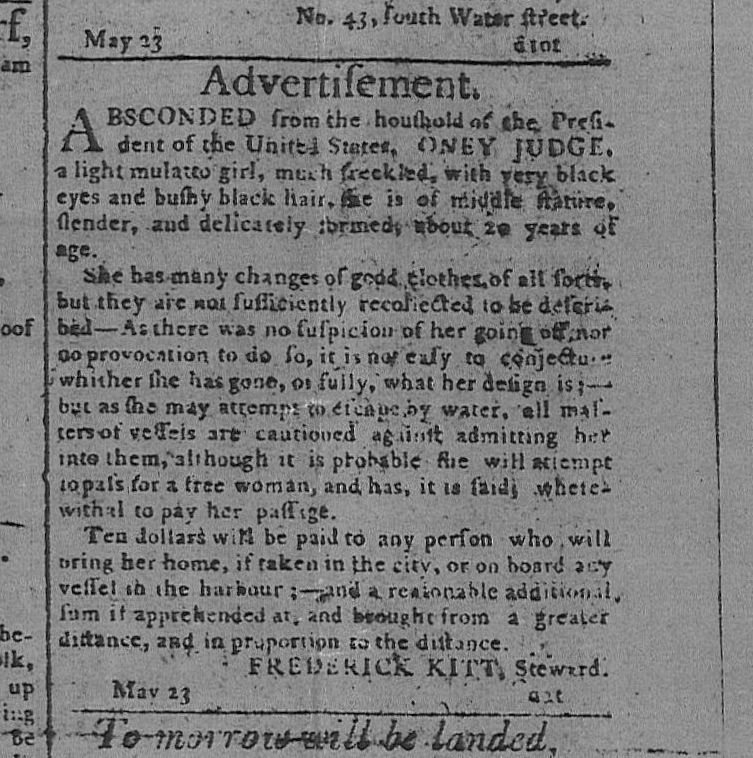
Women of different races and allegiances experienced the war in distinct ways. Enslaved women were affected by both Patriot and British promises of freedom and often suffered disruption, forced labor, or displacement. Native American women’s lives were shaped by tribal alliances and the upheaval of frontier warfare. Loyalist women could face confiscation of property, exile, or social ostracism.
Longer term, the Revolution contributed to evolving ideas about women’s civic roles: the ideal of Republican motherhood emphasized women’s responsibility to educate virtuous citizens, while many wartime activities demonstrated women's capacity in public life. Myths and legends grew around some individuals, but the broader historical record shows a wide range of practical and political contributions by women during the conflict.
Related articles
Author
AlegsaOnline.com Women in the American Revolution Leandro Alegsa
URL: https://en.alegsaonline.com/art/108868