
Bowling: overview, equipment, history, styles and play
Bowling is a ball-and-target sport with ancient roots. This article explains modern lane-based bowling, related lawn forms, equipment, main variants, basic play and cultural significance.
Overview
Bowling is a group of sports and recreational activities in which a player rolls or throws a ball to hit a target. In its most widely practiced modern form, a player rolls a heavy ball down a prepared lane to knock over a set of pins. Other forms are played on grass or compacted surfaces and aim to move or displace an opponent's ball or to get closest to a target. Bowling is popular as both a casual pastime and an organized competitive sport, with leagues, professional events and international competitions.
Image gallery
10 Images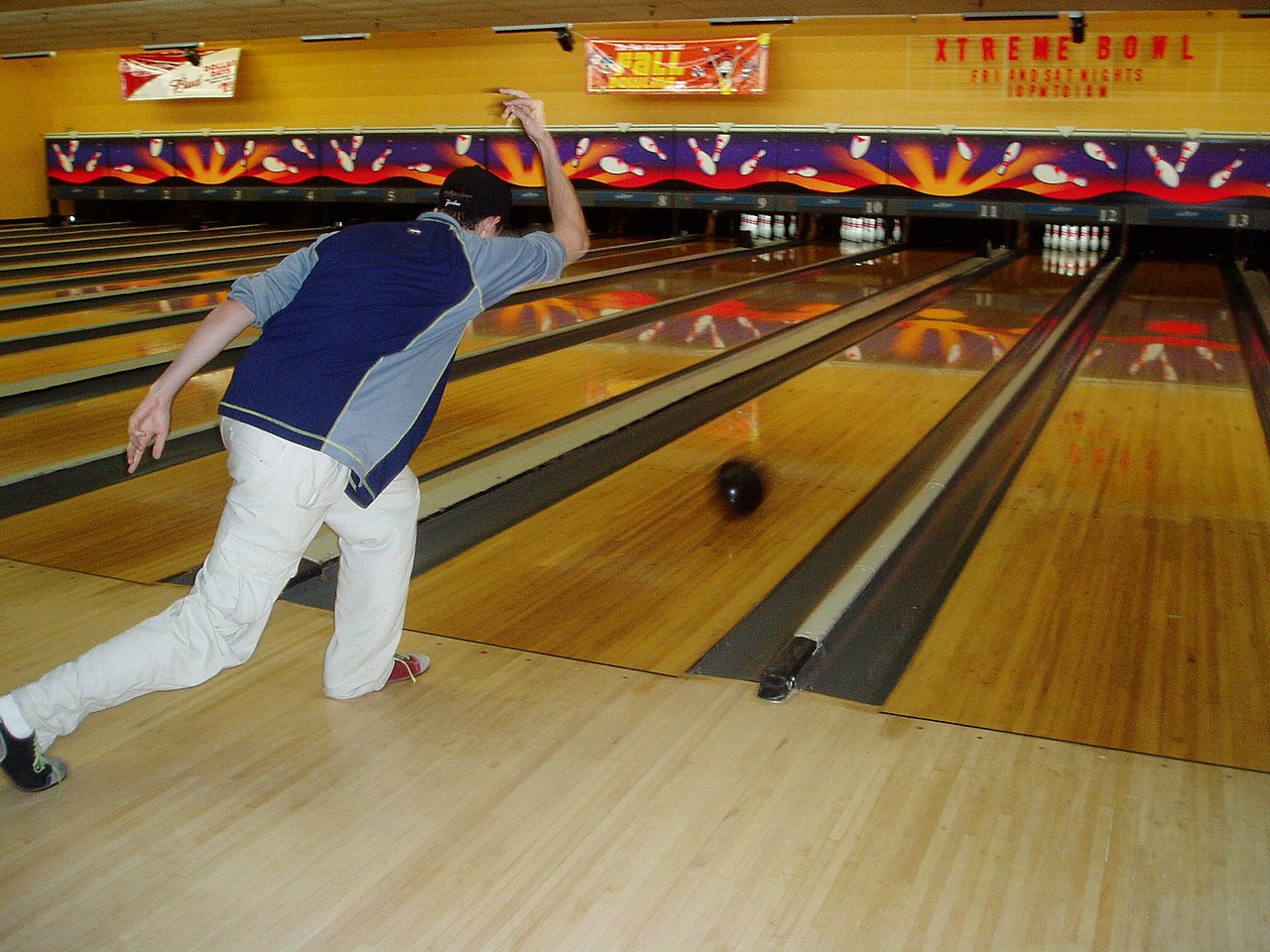



Characteristics and equipment
Typical lane-based bowling involves a bowling lane, an approach area, gutters, a set of pins and a ball. Balls vary by weight, diameter and finger-hole configuration; many have smooth, polished surfaces and a drilled interior to fit fingers. Lanes are usually wood or synthetic and are treated with oil patterns that influence how the ball travels. Pins are arranged in a triangular formation at the end of the lane and are returned automatically in modern alleys. Players use shoes with sliding soles to help delivery and follow standard safety and courtesy rules to avoid interfering with other bowlers.
History and development
Games that involve rolling stones, balls or similar implements toward targets have existed for centuries in many regions. Over time these simple contests evolved into a set of distinguishable traditions: lawn and indoor alley forms developed altered equipment, rules and scoring. Industrialization and the rise of indoor recreation in the 19th and 20th centuries helped standardize framed, pin-based games and popularize organized facilities known as bowling alleys.
Major varieties
- Ten-pin: the most common alley form, using a heavy ball and ten pins arranged in a triangle.
- Duckpin and candlepin: use smaller balls and shorter, thinner pins; each has different rules for throws and pin resets.
- Five-pin: a regional variant with its own pin configuration and scoring.
- Lawn bowling, bocce and pétanque: outdoor relatives in which players roll balls on grass or packed surfaces toward a smaller target ball.
Play, scoring and technique
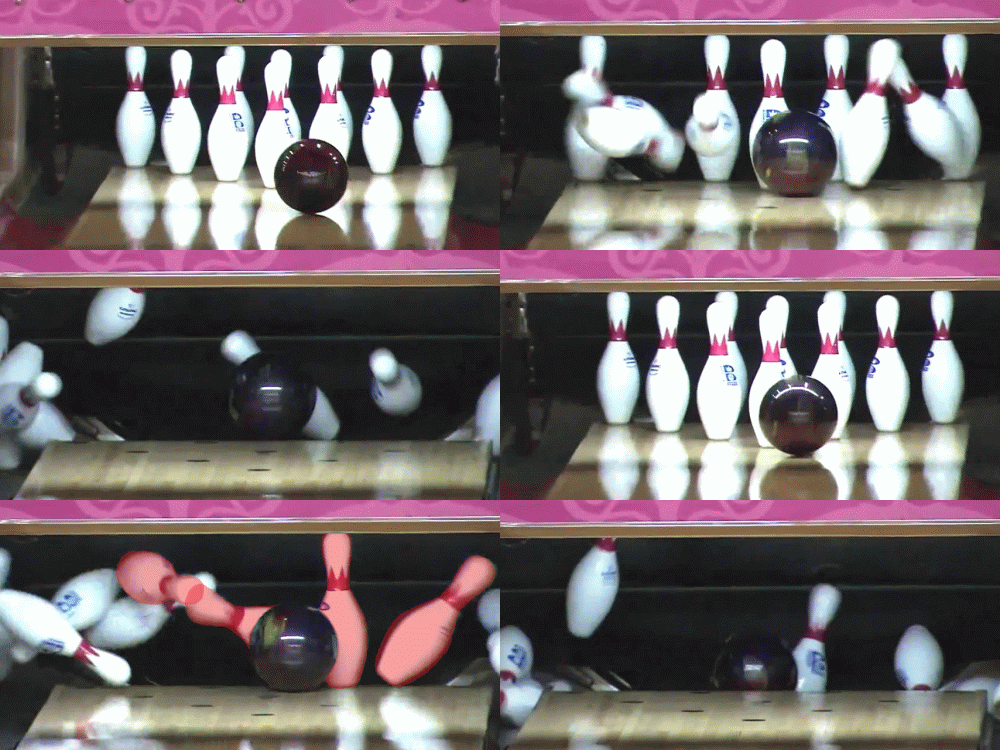
In lane-based bowling, players take turns rolling one or two balls per frame to knock down pins. Matches and scoring systems vary by variant, but common concepts include a single-attempt knockdown called a strike in some forms and a spare when pins are cleared in two attempts. Skilled players control speed, axis rotation and release point so the ball curves—commonly called "hooking"—to increase the chance of favorable pin action. Lane oil patterns and ball surface materials both play important roles in ball motion.
Uses and cultural notes
Bowling serves diverse social functions: it is a recreational activity for families and friends, a weekly hobby for league participants, and a profession for elite competitors. Bowling alleys often host events, parties and instruction programs. While rules and equipment differ among variants, the basic appeal of testing skill, consistency and strategy against a clear target unites the various forms. For detailed rules and local organizing bodies, see further resources.
Related articles
Author
AlegsaOnline.com Bowling: overview, equipment, history, styles and play Leandro Alegsa
URL: https://en.alegsaonline.com/art/13473