
West Darfur (state of Sudan)
West Darfur is a western Sudanese state centered on Al-Junaynah (El Geneina). It is part of the Darfur region and has faced prolonged humanitarian and security challenges since the early 2000s.
Overview
West Darfur (Arabic: ولاية غرب دارفور) is an administrative state in western Sudan. Its capital is Al-Junaynah (often spelled El Geneina). Published figures around 2006 reported an area of roughly 79,460 km² and an estimated population near one million; these numbers are indicative and have likely changed due to demographic movements and recurrent crises.
Image gallery
2 Images
Geography and environment
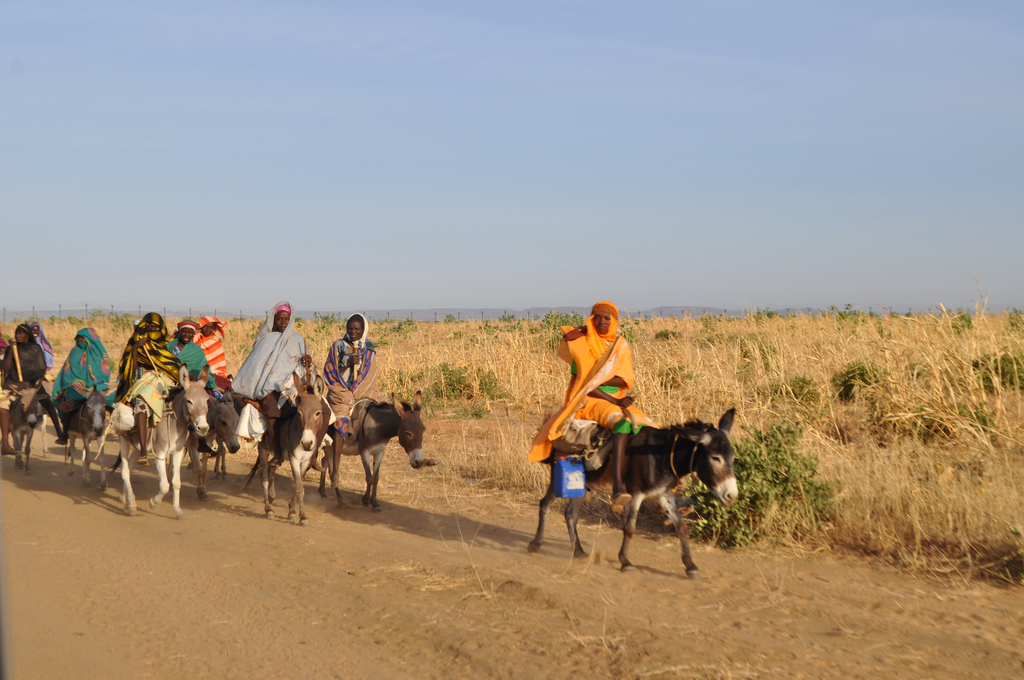
The state occupies part of the greater Darfur plateau where semi-arid savanna, seasonal grasslands and scrub predominate. Rainfall is variable and concentrated in a short rainy season, shaping local farming and herding cycles. West Darfur borders international territory to the west, and its frontier location has influenced trade, migration and security dynamics.
Administration and communities
West Darfur is organised into local administrative units centred on towns and rural communities, with Al-Junaynah serving as the principal urban centre for governance and markets. The population includes multiple ethnic and linguistic groups whose livelihoods commonly combine agriculture, livestock herding and local commerce.
History and humanitarian context
As part of Darfur, West Darfur has been affected by armed conflict and cycles of violence since the early 2000s. Those events produced significant displacement, interruptions to basic services and recurring humanitarian need. International and local agencies have been engaged in relief, protection and recovery efforts, while political and security solutions have been pursued at national and regional levels.
Economy and significance
The local economy is largely rural: crop cultivation during the rainy season, pastoralism, small-scale trade and informal markets. Natural resources and artisanal activities exist in parts of Darfur more broadly. Security and access constraints have an outsized effect on economic opportunity, humanitarian access and reconstruction prospects.
Key points
- Capital: Al-Junaynah (El Geneina).
- Part of the larger Darfur region of western Sudan.
- Has experienced prolonged humanitarian and security challenges since the early 2000s.
- Local livelihoods rely on agriculture, livestock and trade; displacement has altered demographics.
For more detailed administrative or current humanitarian information, consult official and humanitarian sources linked to regional overviews and reports.
Related articles
Author
AlegsaOnline.com West Darfur (state of Sudan) Leandro Alegsa
URL: https://en.alegsaonline.com/art/107355