
Wedding March (Mendelssohn): history, use, and distinction from Wagner
A concise guide to Mendelssohn's 'Wedding March' from A Midsummer Night's Dream: musical character, 19th‑century rise as a recessional at Western weddings, and how it differs from Wagner's Bridal Chorus.
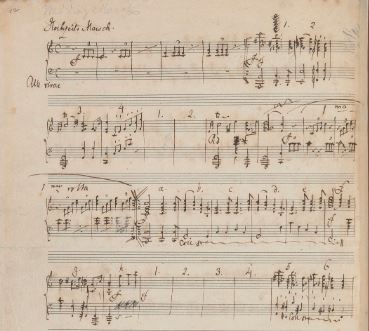
The term "Wedding March" commonly refers to the instrumental march composed by Felix Mendelssohn in 1842 as part of incidental music for Shakespeare's play A Midsummer Night's Dream. Written in a bright, ceremonial C major, the piece was conceived for full forces and is ordinarily described as an orchestral march. Its steady, processional rhythms and triumphant melodies have made it one of the most recognizable pieces associated with Western wedding ceremonies.
Image gallery
2 Images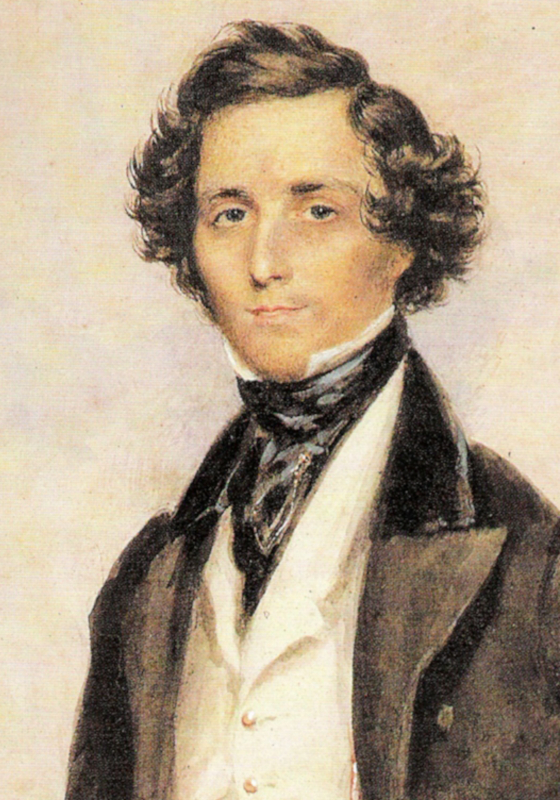
Musical character and typical arrangements
The march features a clearly delimited opening fanfare, a dignified middle section, and a return of the principal theme. While Mendelssohn scored it for orchestra, it is frequently heard in adapted forms: organ transcriptions for church services, piano reductions at civil ceremonies, and brass or chamber arrangements for outdoor venues. In many churches the piece is played on the pipe organ as the newly married couple recesses; elsewhere a brass quartet or recorded version is used.
History and rise in popularity
The march achieved widespread popularity in the English‑speaking world after it was chosen for the 1858 marriage of Victoria, The Princess Royal, to the future German monarch. The bride was the eldest daughter of Queen Victoria, who was known to admire Mendelssohn's music. That royal endorsement helped establish the piece as a ceremonial favorite, and its association with marriage ceremonies was further reinforced by repeated use in Victorian and later public events.
Uses, contexts, and cultural impact
- Recessional music at religious and civil weddings.
- Processional or exit music in popular culture, films, and television when a ceremonial mood is required.
- Arrangements for organ, piano, brass, or recorded playback to suit different venues.
- Occasional use at formal events beyond weddings, such as graduations or civic ceremonies.
Distinctions and common confusions
People sometimes confuse Mendelssohn's march with the well‑known "Bridal Chorus" from Lohengrin by Richard Wagner. The two pieces serve different traditional roles: Wagner's Bridal Chorus (often sung or played as the bride enters) is slower and more lyrical, while Mendelssohn's march tends to be brisker and is commonly used as the recessional when the couple leaves. Both works, however, have become entangled with wedding ritual and are emblematic of Western matrimonial music.
Although associated with long‑standing customs, neither piece is mandatory in contemporary ceremonies; couples frequently choose alternative music to reflect personal taste or cultural background. Beyond churches and courtrooms, Mendelssohn's march endures as a musical shorthand for celebration and solemn departure. For further reading about Mendelssohn's incidental music and performance practice, consult dedicated musical sources or editions of Lohengrin and other 19th‑century works.
Related articles
Author
AlegsaOnline.com Wedding March (Mendelssohn): history, use, and distinction from Wagner Leandro Alegsa
URL: https://en.alegsaonline.com/art/107102