
West Coast hip hop: regional history, styles, and influence
A regional form of hip hop that began in California in the early 1980s, noted for G-funk, gangsta rap, Bay Area hyphy, distinctive production techniques and broad cultural influence.
Overview
West Coast hip hop is the broad set of hip hop traditions that developed in California and neighboring areas. It traces its roots to urban party and DJ culture and to small independent scenes across cities such as Los Angeles, Long Beach, Compton and Oakland. The movement first emerged in California and took shape during the early 1980s, later becoming a major commercial and cultural force.
Image gallery
6 Images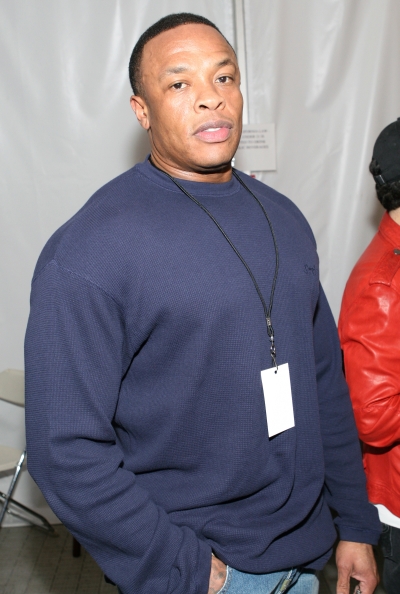


Characteristics
Musically, West Coast styles are known for laid-back rhythms, melodic synthesizer lines, heavy bass, and production choices that favored groove and atmosphere as much as breakbeat complexity. Lyrical themes range from party-focused tracks and street narratives to social commentary. DJs and producers played a central role in shaping regional sounds through sampling, drum machines and studio layering.
History and development
The scene developed unevenly across cities. Early independent rappers and crews built audiences through local shows and mixtapes, later giving rise to widely influential artists and groups. In the late 1980s and early 1990s, a harder-edged strand often labeled "gangsta rap" gained mainstream attention. Around the same period producers refined a smoother, funk-influenced style that became widely associated with West Coast recordings.
Influence, culture and controversy
West Coast hip hop shaped fashion, film soundtracks, slang and youth culture worldwide. Its commercial success helped hip hop become a dominant popular music form. The genre has also been a focus of debate over violent themes, censorship and policing of lyrics, issues that accompanied its rise in mainstream media.
Notable subgenres and figures
- G-funk: a melodic, funk-sampling production style.
- Hyphy: an energetic Bay Area movement emphasizing uptempo beats and street culture.
- Prominent contributors: influential rappers, producers and collectives from multiple California cities.
Today West Coast hip hop includes longstanding regional scenes, ongoing innovation by producers and artists, and frequent collaborations across regions and countries. Its legacy persists in modern production techniques, popular vocabulary and the continued prominence of West Coast artists on global stages.
Questions and answers
Q: What is West Coast hip hop?
A: West Coast hip hop is a style of hip hop music that originated in California in the early 1980s.
Q: Where did West Coast hip hop originate?
A: West Coast hip hop originated in California.
Q: When did West Coast hip hop first emerge?
A: West Coast hip hop first emerged in the early 1980s.
Q: Has West Coast hip hop grown in popularity over time?
A: Yes, West Coast hip hop has grown into a major force in hip hop since its origin in the early 1980s.
Q: Are there multiple creative centers for West Coast hip hop?
A: Yes, West Coast hip hop has developed several creative centers.
Q: What are some of the creative centers for West Coast hip hop?
A: Some of the creative centers for West Coast hip hop are Los Angeles, the Bay Area, and San Diego.
Q: Has West Coast hip hop influenced other styles of hip hop?
A: Yes, West Coast hip hop has influenced other styles of hip hop as it has grown in popularity and prominence.
Related articles
Author
AlegsaOnline.com West Coast hip hop: regional history, styles, and influence Leandro Alegsa
URL: https://en.alegsaonline.com/art/107348