
Felix Mendelssohn — German Romantic-era Composer and Conductor
German composer Felix Mendelssohn (1809–1847) was a child prodigy, conductor, and educator whose works include the Violin Concerto, the Wedding March and the oratorio Elijah.
Overview
Jakob Ludwig Felix Mendelssohn Bartholdy was born in Hamburg on 3 February 1809 and died in Leipzig on 4 November 1847. He is widely regarded as one of the leading figures of the early Romantic era, admired for elegant melodies, skilled counterpoint and a clarity of form that reflected his respect for earlier masters. Mendelssohn was a German-born musician who combined roles as a composer, conductor, pianist and teacher.
Image gallery
10 Images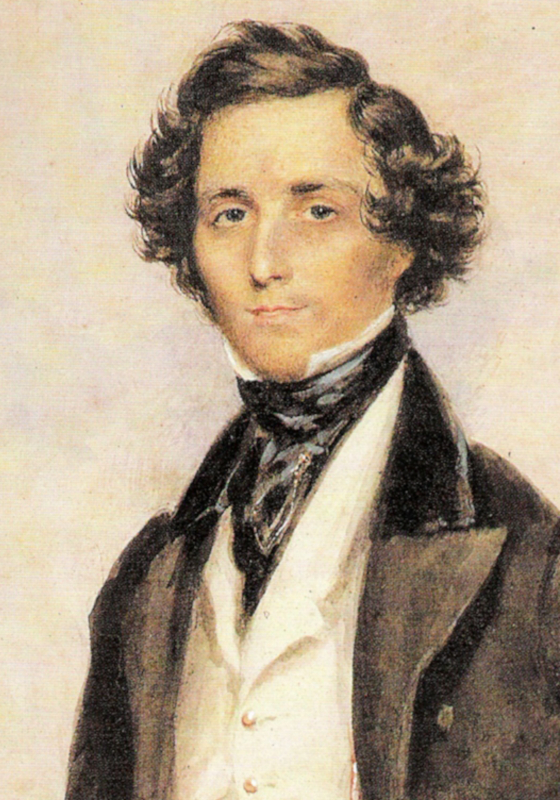




Life and development
Mendelssohn came from an intellectual family: his grandfather was the philosopher Moses Mendelssohn. He showed exceptional musical ability at an early age and is often described as a child prodigy; by his teens he had already produced significant works and had developed a mature sense of style that impressed contemporaries. During his adolescence he studied the music of predecessors such as J. S. Bach, Handel and Mozart and sought to continue their traditions while writing distinctly Romantic music. As a young man he organized the landmark 1829 revival of Bach's St Matthew Passion, which helped reintroduce Bach to nineteenth-century audiences.
Major activities and positions
Mendelssohn was active as a performer and conductor. He led the orchestra at the Gewandhaus in Leipzig and he later founded an influential music school there. He was also an accomplished pianist (piano) and organist (organ), and he wrote a wide range of music from intimate chamber pieces to large-scale choral works. His leadership in concert programming and his high standards for performance made him an important organizer of musical life in central Europe.
Works and musical character
Mendelssohn's output includes overtures, symphonies, concertos, chamber works, songs, and oratorios. He is known for combining lyrical invention with contrapuntal craftsmanship, often using classical forms with Romantic expressiveness. His Violin Concerto in E minor remains a staple of the repertoire and is one of the most frequently performed concertos by violin soloists; its opening and cadenza treatment were influential in later concerto writing. He also wrote a popular concerto and orchestral pieces such as the Scottish and Italian symphonies, the overture to A Midsummer Night's Dream and the incidental music for the same play.
- Representative works: Overture to A Midsummer Night's Dream; Violin Concerto in E minor; symphonies "Italian" and "Scottish"; oratorio Elijah.
- Short pieces: Songs without Words for solo piano, organ chorales and choral pieces.
- Familiar tunes tied to Mendelssohn: a melody associated with "Hark! The Herald Angels Sing" and the Wedding March from A Midsummer Night's Dream.
Legacy and notable facts
Mendelssohn's career was relatively brief—he died aged 38—but his influence endured through performance practice, pedagogy and composition. He helped revive earlier music, particularly Bach's choral works, and he established institutions that shaped later training of musicians. Alongside his more famous public pieces he wrote numerous chamber and piano works that continue to be studied and performed. His style remains valued for its combination of formal balance, melodic charm and contrapuntal skill.
For more on Mendelssohn's life, works and contexts see biographies, catalogues of his compositions and online music collections: birthplace and early years, Leipzig, and scholarly resources on his role in the Romantic tradition. Additional entry points include resources about his inspirations (Bach, early adolescence) and the performance history of his orchestral (orchestra), piano (piano) and choral works.
Other useful references cover his family background and social context: the Mendelssohn household, the intellectual legacy of Moses Mendelssohn and the musical activities of relatives. For introductions aimed at listeners and performers see short guides to his concertos and to the best-known ceremonial pieces like the concerto-era repertoire and the Wedding March.
Questions and answers
Q: Who was Jakob Ludwig Felix Mendelssohn Bartholdy?
A: He was a German composer who was born in Hamburg in 1809 and died in Leipzig in 1847.
Q: What was Mendelssohn's grandfather's profession?
A: Mendelssohn's grandfather was a German-Jewish philosopher named Moses Mendelssohn.
Q: What period was Mendelssohn a composer in?
A: Mendelssohn was a composer in the Romantic period.
Q: Which earlier composers did Mendelssohn appreciate and build on?
A: Mendelssohn appreciated and built on the music of earlier composers like Bach, Handel, and Mozart.
Q: Was Mendelssohn a child prodigy?
A: Yes, Mendelssohn was a child prodigy who was already composing great music as a teenager.
Q: What types of music did Mendelssohn write?
A: Mendelssohn wrote music for orchestra, piano, organ, chamber music, and music for singing.
Q: Which two popular tunes did Mendelssohn compose?
A: Mendelssohn composed the popular hymn tune "Hark the Herald Angels Sing" and the Wedding March, which is often played at the end of weddings.
Related articles
Author
AlegsaOnline.com Felix Mendelssohn — German Romantic-era Composer and Conductor Leandro Alegsa
URL: https://en.alegsaonline.com/art/118893