
Victoria, Princess Royal (Victoria Adelaide Mary Louisa)
Eldest child of Queen Victoria and Prince Albert; wife of the Prussian crown prince, briefly German Empress and Queen of Prussia in 1888; mother of Wilhelm II and a prominent cultural bridge between Britain and Germany.
Victoria, Princess Royal (Victoria Adelaide Mary Louisa; 21 November 1840 – 5 August 1901) was the eldest daughter of Queen Victoria and Prince Albert. Crowned Princess Royal of the United Kingdom in 1841 (Princess Royal), she became the wife of the Prussian crown prince and later held the titles Queen of Prussia and Empress of Germany for a short period in 1888 (Queen of Prussia, Empress of Germany).
Image gallery
10 Images
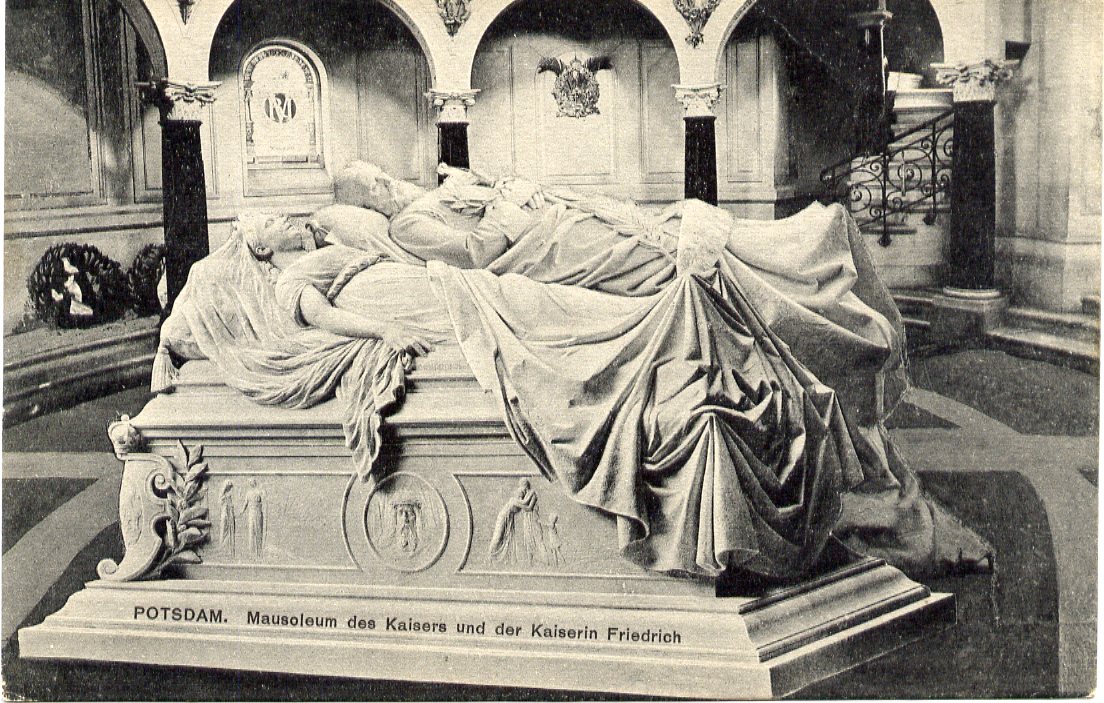



Overview and family
Born into the British royal household, Victoria was raised with a strong emphasis on duty, scholarship and German cultural ties. Her marriage to the future Emperor Frederick (often called Friedrich in German accounts) linked the British and Prussian dynasties; she is sometimes referred to in German sources by the style Empress Frederick. Her eldest son succeeded as German Emperor in 1888, after the death of his father (Friedrich).
Role and characteristics
Victoria combined a British upbringing with life at the conservative Prussian court. She was fluent in English and German and took an active interest in education, charitable work and the intellectual life of her households. Her political temperament tended toward liberalism and constitutionalism, viewpoints that sometimes clashed with the prevailing conservative culture of the German ruling class. Contemporary observers noted her intelligence, strong sense of duty and also the emotional distance she experienced within parts of her family life.
Public life, influence and legacy
Although Empress for only a few months, Victoria left a lasting impression through dynastic connections and cultural exchange. As mother of the future Emperor Wilhelm II, she was linked to the shaping of European royal networks. Her daughters married into other royal families; one daughter became Queen Consort of the Hellenes, illustrating the broad international ties of 19th‑century monarchies.
- Titles: Princess Royal of the United Kingdom, Crown Princess of Prussia, Queen of Prussia, Empress of Germany (Princess Royal, Queen of Prussia, Empress).
- Family links: daughter of Queen Victoria and Prince Albert; mother of Kaiser Wilhelm II.
- Residence and death: she spent later years in Germany and died in Kronberg im Taunus (Kronberg im Taunus, Germany) of breast cancer (breast cancer) on 5 August 1901.
Historical context and significance
Victoria's life illustrates several themes of 19th‑century Europe: dynastic diplomacy, the cultural exchange between Britain and the German states, and the tensions between liberal constitutional ideas and conservative imperial politics. Her position as a British princess married into the Prussian monarchy made her a symbol of cross‑channel kinship, even as personal and political disagreements—especially with elements of the German court and later with her son—affected her influence.
Her death in 1901 came shortly after the death of her mother, drawing a line under a generation that had witnessed the consolidation of the German Empire and profound changes across Europe. For historians and biographers she remains a figure who bridged two royal cultures and whose life sheds light on the private and public dynamics of 19th‑century monarchies.
Further reading and sources can be consulted via general reference collections and royal archives; for official genealogical and title information see entries associated with Queen Victoria and the Prussian court (Friedrich).
Author
AlegsaOnline.com Victoria, Princess Royal (Victoria Adelaide Mary Louisa) Leandro Alegsa
URL: https://en.alegsaonline.com/art/132535