
West End Girls — Pet Shop Boys song
1985 synth-pop single by British duo Pet Shop Boys. Blending urban lyrics with electronic and hip-hop‑influenced production, it topped charts worldwide and became a defining 1980s pop record.
Overview
"West End Girls" is a pop and synth-pop song by the British duo Pet Shop Boys, written by Neil Tennant and Chris Lowe. Emerging in the mid-1980s, it combines electronic instrumentation with a spoken-sung delivery and rhythmic patterns influenced by contemporary hip-hop production. The lyrics reflect observations of urban life, social contrasts and class, delivered in a moody, conversational tone rather than a traditional sung chorus.
Image gallery
3 Images
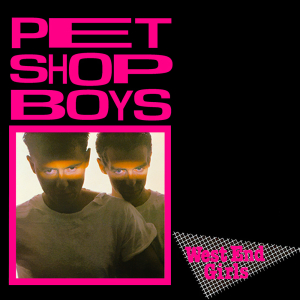

Composition and production
The track is built from layered synthesizers, drum-machine grooves and sampled sounds, creating an atmospheric backdrop for Tennant's detached vocal style. An early recording was produced independently and released in 1984; that version found club attention in the United States and in parts of Europe. The song was later re-recorded with a different producer for the duo's debut studio album, which sharpened the arrangement and helped the track reach a broader audience.
Release history and chart success
The reworked single was issued in late 1985 and reached number one on national singles charts in both the United Kingdom and the United States during 1986. Its crossover appeal — from underground clubs to mainstream radio — established Pet Shop Boys as a major pop act of the decade. The single also charted across continental Europe and was accompanied by multiple mixes and extended versions aimed at club DJs.
Versions, remixes and formats
Several official and promotional versions circulate, ranging from radio edits to extended dance mixes lasting seven to eight minutes. These extended forms emphasize instrumental passages and rhythmic variations intended for nightclub play. Producers and remixers have produced alternative takes over time, contributing to the song's longevity in club culture and on retrospective compilations.
Awards, legacy and notable facts
"West End Girls" earned critical recognition and industry awards after its commercial breakthrough, including a Best Single distinction at a major British awards ceremony in the late 1980s. Decades later the song received retrospective honors for its influence during the 1985–1994 period. It remains one of the Pet Shop Boys' best-known recordings and is frequently cited as a signature track that helped define synth-driven pop of its era.
Further information and resources
- General song details: information and credits
- British chart context: UK music background
- Artist overview: Pet Shop Boys profile
- Early U.S. club reception: American club history
- European chart notes: European performance
- Record company and release details: label information
- Awards and songwriting honours: award listings
For readers exploring the song further, listen for variations between the original independent release and the later album version — the changes in production illustrate how arrangement and mixing can transform an underground track into an international hit.
Reception
In general, the song received very good reviews. For example, Stephen Thomas Erlewine of Allmusic wrote a review of the album "Please", calling the song hypnotic. Rob Hoerburger of Rolling Stone rated the hit as catchy and the synth riffs as laughable. A Guardian critics' poll ranked the song number one in the top 100 number one hits in the UK charts in 2020.
A Swedish girl group cover band of the Pet Shop Boys calls themselves "West End Girls" after the song.
In episode #20 "Friendship Connects" of American Dad, Steve plays part of the song.
Music video
The music video, directed by Eric Watson, was shot in London. It consists of many scenes cut together: in one you see the underground, in the other a double-decker bus and also Tower Bridge. In the plot, the Pet Shop Boys perform the song in London.
Questions and answers
Q: Who wrote and performed "West End Girls"?
A: "West End Girls" was written and performed by the British duo Pet Shop Boys.
Q: What is the genre of the song "West End Girls"?
A: The genre of "West End Girls" is pop with hip-hop influences.
Q: What are the lyrics of the song about?
A: The lyrics of the song are about inner-city life and class.
Q: When was the first version of the song released?
A: The first version of the song was released in April 1984.
Q: When was the new version of the song released?
A: The new version of the song was released in October 1985.
Q: Did the song become successful?
A: Yes, the song became a club hit in the United States and some European countries. It also hit #1 in the United Kingdom and the United States in 1986.
Q: Has the song received any awards?
A: Yes, the song won Best Single at the BRIT Awards in 1987, and in 2005 it was awarded Song of the Decade between 1985 and 1994 by British Academy of Composers and Songwriters.
Related articles
Author
AlegsaOnline.com West End Girls — Pet Shop Boys song Leandro Alegsa
URL: https://en.alegsaonline.com/art/107362