
Weaning: the transition from milk to solid foods
Weaning is the gradual transition of a mammal young from maternal milk to other foods. This article explains methods, timing, history, health and cultural variations in human and animal weaning.
Overview
Weaning describes the process by which a young mammal shifts from consuming its mother's milk to eating the kinds of food typical for adults. In human contexts the term commonly refers to introducing complementary and solid foods while reducing breast- or formula-feeding. More broadly, weaning occurs only among mammals because only female mammals produce milk; the biological actors are sometimes described as female mammals.
Image gallery
5 Images


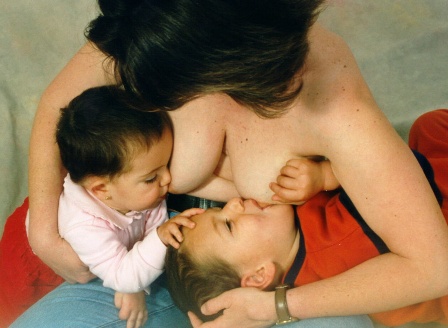
How the process works
Weaning can be gradual or abrupt. A gradual approach reduces milk feeds as new textures and tastes are offered, allowing the infant's digestive and oral-motor systems to adapt. Parents and caregivers may follow planned stages—purees, lumpier textures, finger foods—until reliance on milk ceases and the young individual consumes a full diet of family foods. In animal husbandry, weaning often also marks separation from the dam and may be timed for growth, health or management considerations.
Common methods and timing
There are several recognized methods, each with advantages and trade-offs:
- Baby-led weaning: letting the child self-feed appropriate solid pieces at their own pace.
- Traditional spoon-feeding: staged purees progressing to solids.
- Abrupt weaning: a rapid end to milk feeding; more common in some animal management settings.
Health organizations commonly recommend introducing complementary foods around six months of age while continuing some breastfeeding, though the exact timing varies with individual development and cultural practices. Early or very late weaning can affect nutrition and growth, so caregivers often seek pediatric guidance.
History, culture and examples
Weaning practices have changed across societies and eras. In many traditional societies, extended breastfeeding and late weaning were common; industrialization, the availability of formula and shifting social norms altered patterns in the 20th century. Animal species and breeds also show diversity: farmers decide weaning ages based on species, welfare, and economic factors.
Health, development and notable distinctions
Appropriate weaning supports nutritional needs, oral-motor development and food acceptance. Poorly timed or poorly managed weaning may raise risks of nutrient gaps, feeding difficulties, or increased illness in some settings. In human child care, weaning decisions balance nutritional needs, maternal health, cultural values and family circumstances. For clarity in further reading, see general guidance on infant feeding and mammalian lactation: baby care resources, mother's milk information, and dietary transition materials for adult food.
Related articles
Author
AlegsaOnline.com Weaning: the transition from milk to solid foods Leandro Alegsa
URL: https://en.alegsaonline.com/art/107028
Sources
- nhs.uk : "Solids: the first steps,"
- www-personal.umich.edu : "Parent-Offspring Conflict in Primates,"
- pin.primate.wisc.edu : Primate Factsheets: Gorilla (Gorilla) Behavior.
- wolf.org : "Weaning in an arctic wolf pack: behavior mechanisms",