
Wild type (genetics): definition, history, and practical use
Wild type denotes the common or reference genetic form found in nature or lab populations. Covers meaning for alleles, genotypes, and phenotypes, historical origins, laboratory usage, and important caveats.
Definition and scope
The term wild type is used in genetics to indicate the allele, genotype, or phenotype that is most frequently observed in a natural population or that serves as the standard reference in experimental work. In practice it can mean one of several related things: the common allele at a locus, the phenotype produced by that allele, or the typical genotype of an organism used as a control in the laboratory. Scientists often contrast wild-type forms with mutant variants when describing genetic differences.
Image gallery
1 Image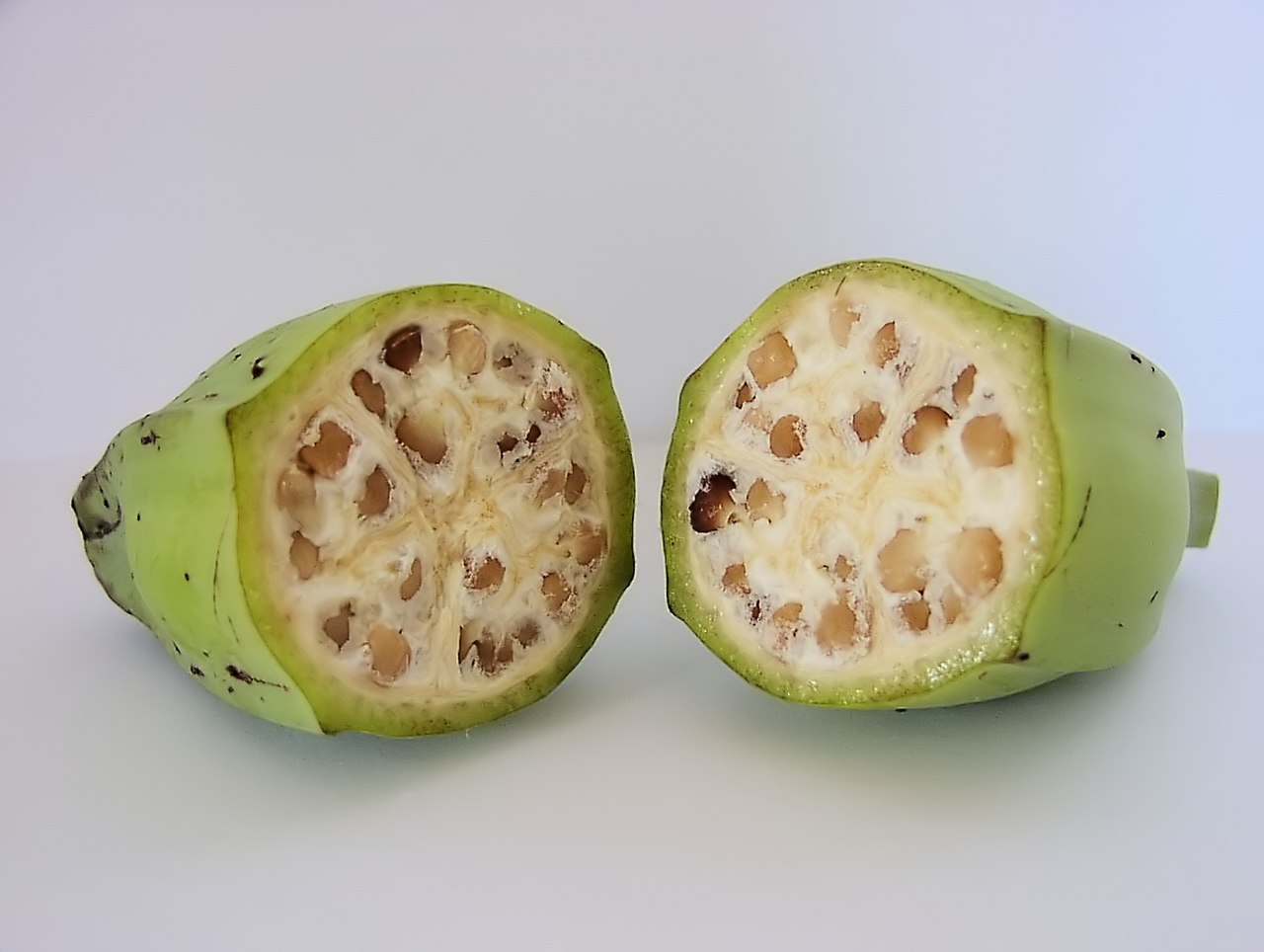
Characteristics and biological meaning
Wild type is not a single rigid category but a context-dependent description. A trait that is wild type in one population may be rare in another. Wild-type alleles often encode the protein or regulatory element that has been maintained by evolution or by lack of disruptive mutation, but being wild type does not necessarily imply superiority or optimal adaptation. Environmental interactions, genetic background, and population history all influence whether a variant is considered wild type.
- Allele-level: the most common nucleotide or version of a gene in a population (allele, gene).
- Genotype-level: the canonical combination of alleles used as a control strain in experiments (genotype).
- Phenotype-level: the observable trait typical of the species or population (phenotype).
History and notable examples
The idea of wild type emerged as geneticists compared naturally occurring traits with laboratory mutants. Early classical genetics researchers working with fruit flies helped popularize the contrasts between a standard or "wild" form and variants. For example, studies of Drosophila melanogaster identified a red-eyed wild-type phenotype that served as a baseline for describing many mutant eye-color alleles. Work on related species, such as Drosophila pseudoobscura, and broad population studies by researchers like Dobzhansky expanded understanding of how wild-type traits vary in nature, particularly after the mid-20th century (postwar research).
Uses in research and applied biology
In laboratories, a wild-type strain often functions as the experimental control against which mutants, gene knockouts, or transgenic lines are compared. Wild-type controls are essential for interpreting effects on development, physiology, or behavior. Model organisms — including fruit flies, mice, plants and microbes — frequently have designated lab wild-type strains that are maintained by research communities and repositories. When reporting results, authors may reference a wild-type standard or a specific laboratory strain name rather than imply a universal natural standard (natural population).
Caveats, distinctions and modern usage
Several important cautions apply when using the term. Wild type differs from a "reference" or "consensus" sequence used in genomics; a reference genome is a chosen assembly that may not represent the most common allele across all populations. A trait described as wild type in the lab might be rare in the species' natural range. Some loci are highly polymorphic so no single wild-type allele dominates. Practical recommendations include specifying the population or strain being called wild type, and when possible giving precise allelic or sequence information rather than relying on the ambiguous label.
For further background on terminology and experimental practice, consult introductory genetics resources and model-organism community guidelines: gene concepts, species-level considerations, and laboratory strain documentation (phenotype descriptions, genotype records, historical studies). Additional reading can be found through genetics textbooks and review articles that discuss wild-type usage across organisms (genetics overview, allelic variation, mutation contrasts, historical context).
Related articles
Author
AlegsaOnline.com Wild type (genetics): definition, history, and practical use Leandro Alegsa
URL: https://en.alegsaonline.com/art/108074