
White blood cell (leukocyte): roles, types, and clinical significance
White blood cells (leukocytes) are immune cells that defend the body against infection, remove damaged tissue, and participate in inflammation and immune regulation.
White blood cells, also called leukocytes, are the cellular defenders of the bloodstream and tissues. They identify and eliminate pathogens such as bacteria and viruses, help remove dead or damaged cells, and participate in the detection and destruction of abnormal cells, including some forms of cancer. They are central to both innate and adaptive immunity and act through processes such as chemotaxis, phagocytosis and antibody-mediated responses. Many clinical decisions depend on counting and characterizing these cells.
Image gallery
10 Images
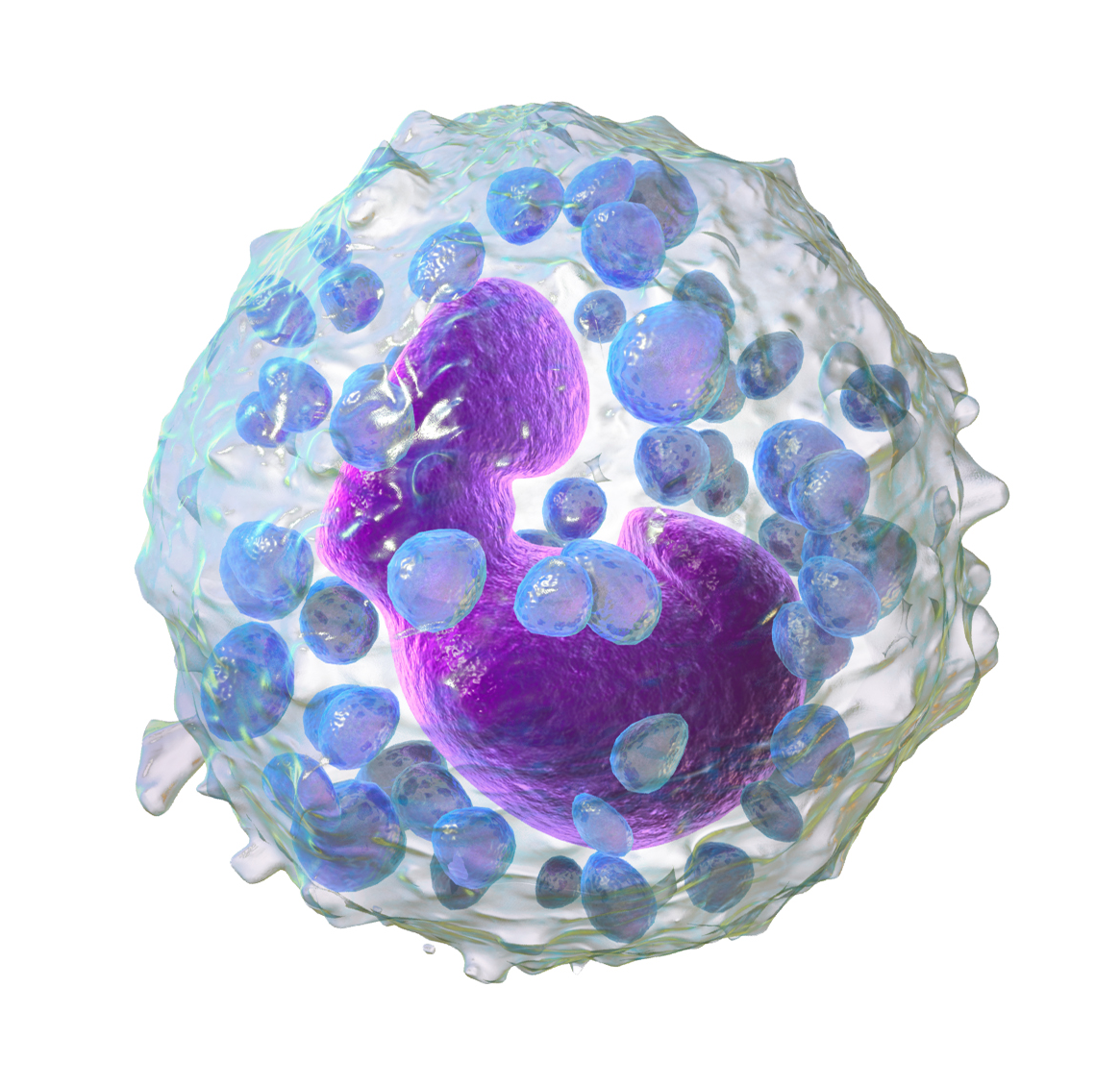

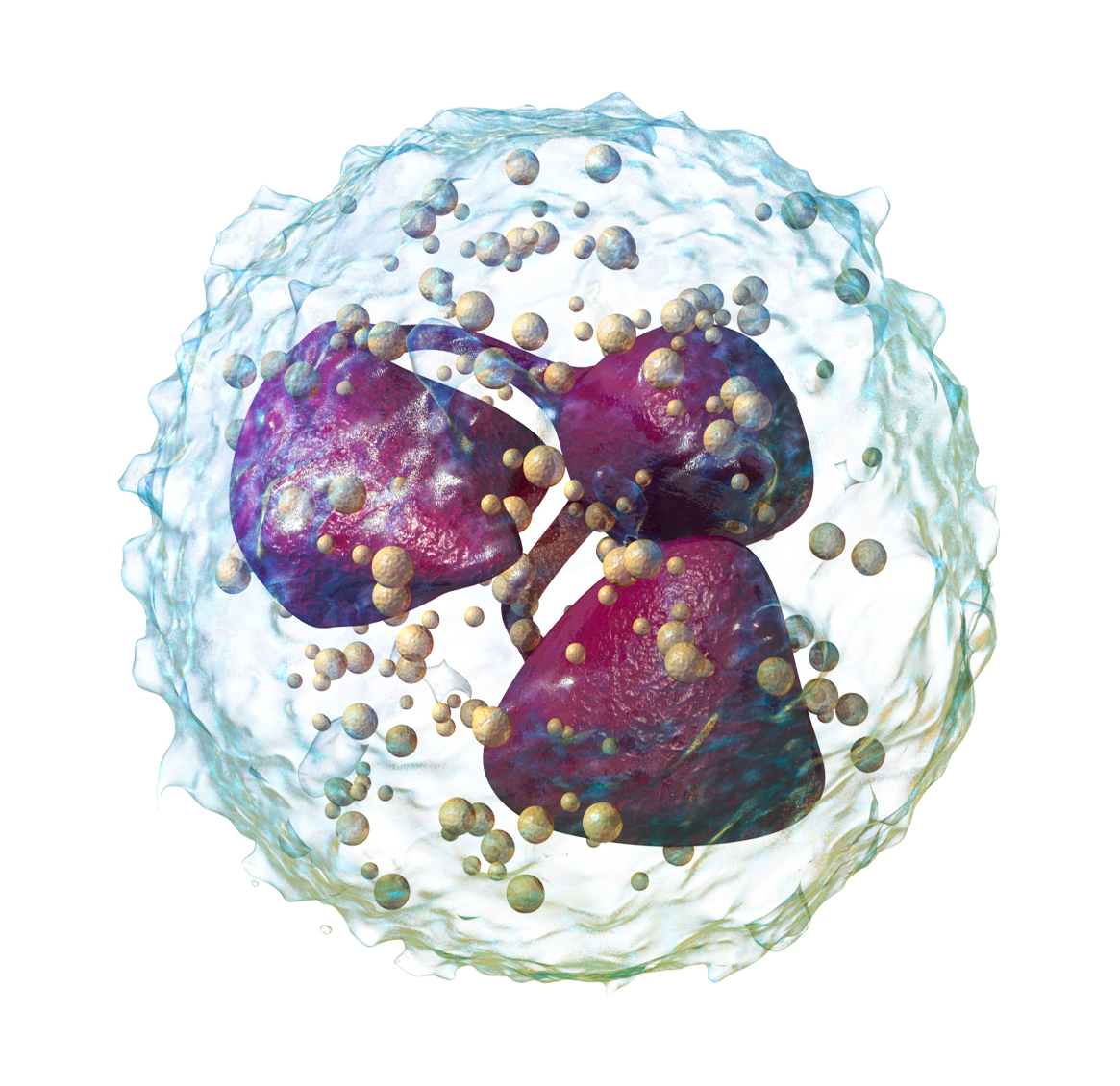


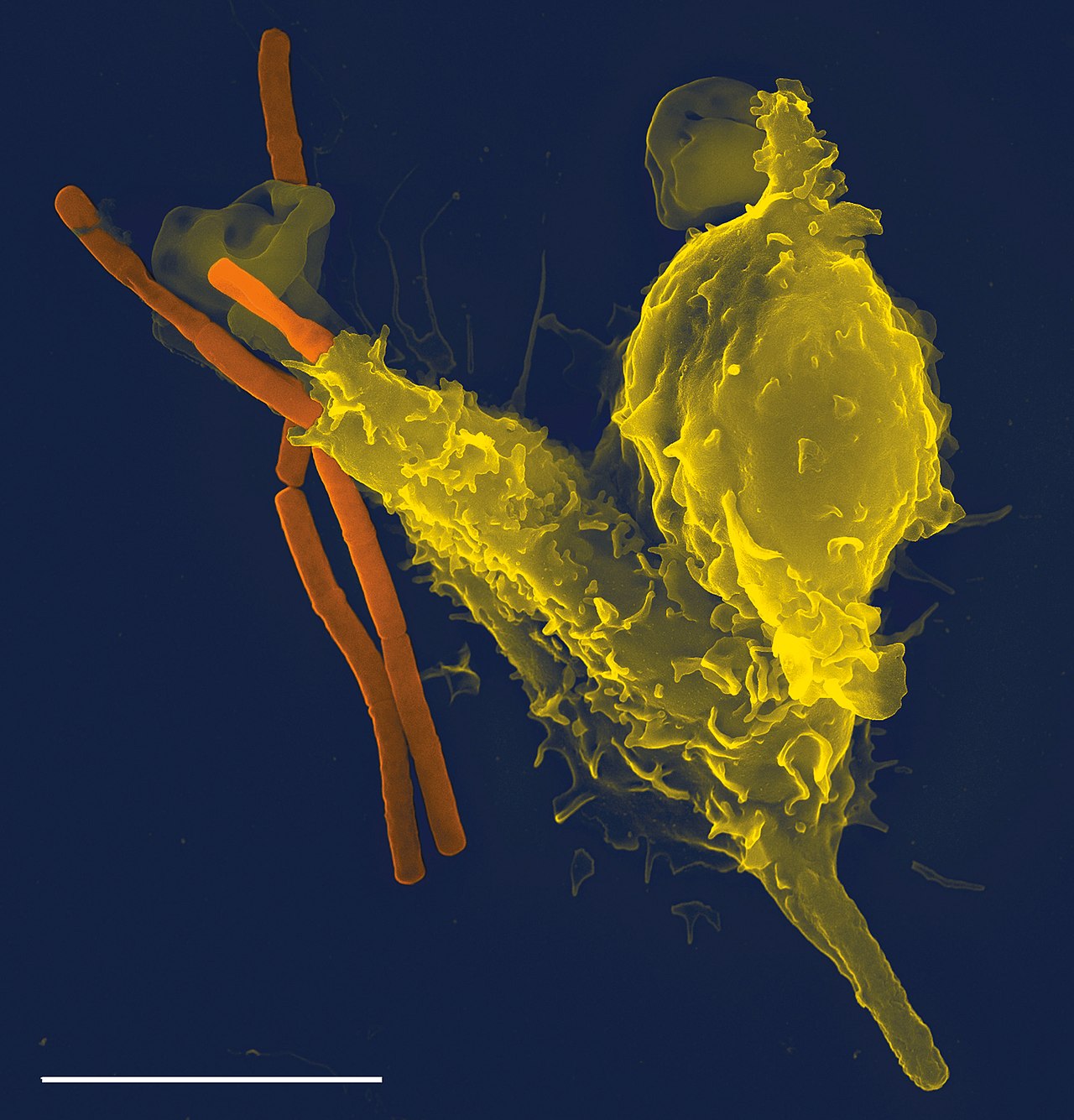


Major types and characteristics
- Neutrophils — the most numerous; rapid responders that phagocytose bacteria and are prominent in acute infection.
- Lymphocytes — include B cells and T cells; responsible for antibody production, cellular immunity and immunological memory.
- Monocytes — circulate briefly and mature into macrophages in tissues; involved in phagocytosis and cleanup.
- Eosinophils — associated with parasitic infections and allergic reactions.
- Basophils — least common; release mediators such as histamine in allergic and inflammatory responses.
Production and circulation
Leukocytes develop from stem cells in the bone marrow through a process called hematopoiesis. After maturation they circulate in the blood or migrate into tissues where needed. Many exit blood vessels by diapedesis to reach infection sites; some reside long-term in lymphoid organs. Lifespans vary widely by type — from hours (some neutrophils) to years (certain memory lymphocytes).
Clinical significance and testing
White blood cell counts and differentials are part of a routine complete blood count (CBC). Elevated counts (leukocytosis) often indicate infection, inflammation, stress or hematologic malignancy; low counts (leukopenia) can signal bone marrow suppression, severe infection or autoimmune disease. A change in the relative proportions of types — for example, neutrophilia or lymphocytosis — helps narrow probable causes. Physicians use these results together with symptoms, cultures and imaging to guide diagnosis and treatment.
Important distinctions and notes
White blood cells are distinct from red blood cells and platelets in function and origin. Their numbers fluctuate with age, medications, pregnancy and acute illness. While rising counts commonly reflect an immune response to infection, interpretation requires clinical context: some serious infections cause low counts, and some noninfectious conditions produce marked elevations. Understanding leukocyte behavior is fundamental to immunology, infectious disease and hematology.
Related articles
Author
AlegsaOnline.com White blood cell (leukocyte): roles, types, and clinical significance Leandro Alegsa
URL: https://en.alegsaonline.com/art/107792