
Water bomber (firefighting aircraft)
A water bomber is an aircraft configured to suppress wildfires by dropping water or retardant. This article explains types, operation, history, typical uses, and distinctions from other aerial firefighting assets.
Overview
A water bomber is an aircraft used primarily for firefighting, especially to combat wildland and forest fires. The term covers both fixed-wing airplanes and rotary-wing machines such as helicopters, and also amphibious or seaplane designs that can scoop water from lakes. Water bombers deliver large volumes of water or fire retardant to targeted areas to slow or extinguish flames and to protect critical infrastructure or crews on the ground.
Image gallery
10 Images




Design and operation
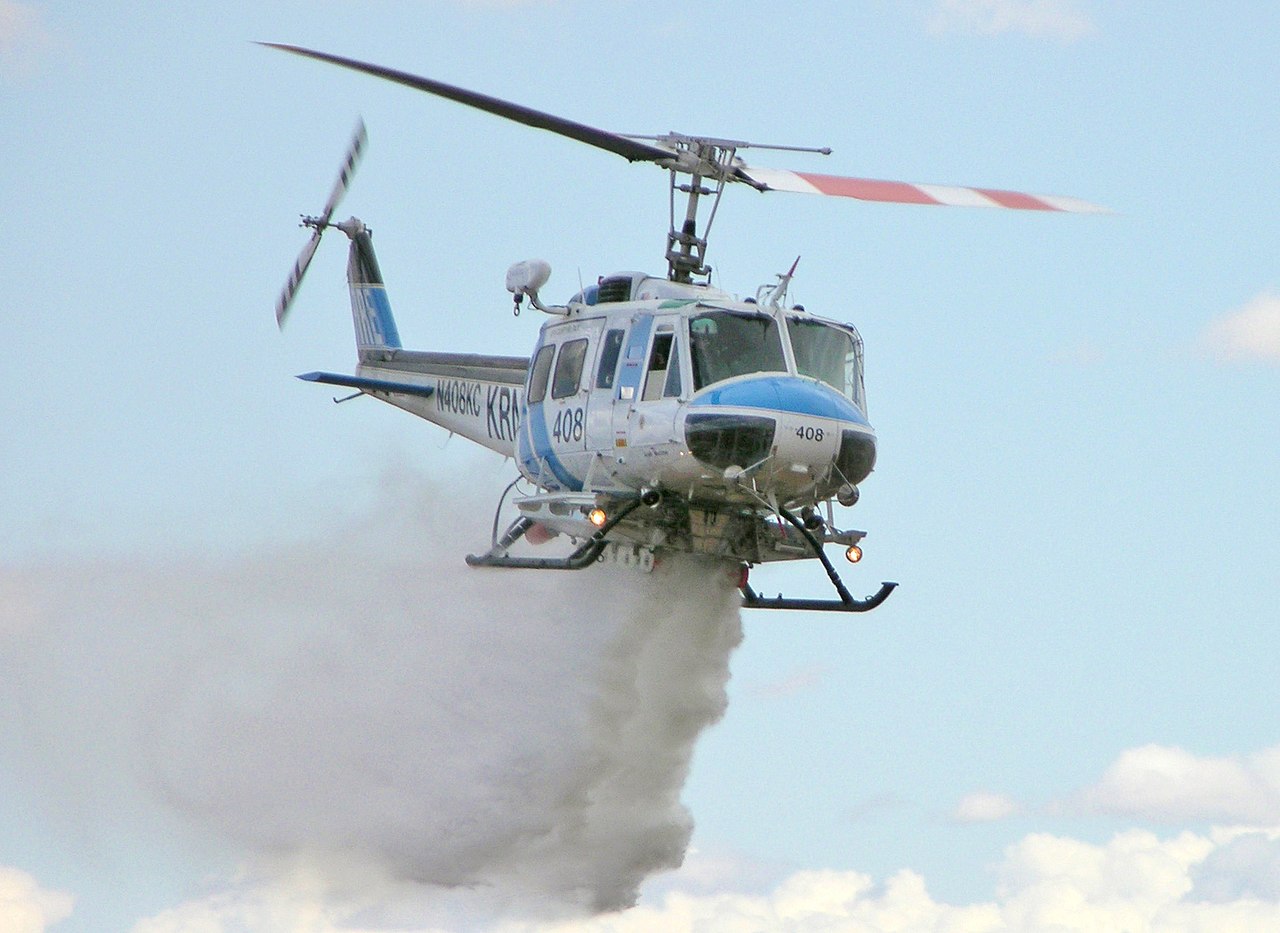
Many water bombers are conversions of former military or cargo aircraft that have been fitted with internal tanks, external tanks, or scooping gear. Designs vary: some aircraft perform repeated low-altitude drops after filling tanks on the ground, while specialized scooper types skim a water surface to refill quickly and return to the fire. Helicopters typically use buckets or belly tanks and offer greater maneuverability for precise drops close to terrain or structures.
History and development
Early experiments in aerial firefighting evolved into purpose-built machines and numerous conversions. One well-known early-purpose-built example is the Canadian manufacturer and its model CL-215, developed to scoop and drop water efficiently. Over decades, improvements in avionics, tank systems, and drop accuracy have increased effectiveness and safety, while cooperative protocols with ground crews have become routine.
Uses, operators, and examples
Water bombers are employed by national and regional administrations, military and civil air forces when available, and by private companies contracted to provide aerial firefighting services. Typical missions include initial attack on new fires, support for ground crews during large incidents, and protection of populated areas. Advantages include rapid delivery of water to remote terrain and the ability to concentrate drops; limitations include dependence on weather, visibility, and suitable refill sources.
Notable distinctions and considerations
- Water vs. retardant: Water cools and knocks down flames quickly; chemical retardants are designed to slow fire spread and remain effective on vegetation.
- Fixed-wing vs. rotorcraft: Fixed-wing scoopers offer rapid, large-volume delivery; helicopters provide precision and access to confined locations.
- Safety and coordination: Aerial firefighting operations require careful flight coordination, trained crews, and clear communication with ground incident commanders to avoid hazards and maximize effectiveness.
Water bombers play a specialized but essential role in modern wildfire response, complementing ground efforts and other aerial resources in protecting lives, property, and ecosystems.
Related articles
Author
AlegsaOnline.com Water bomber (firefighting aircraft) Leandro Alegsa
URL: https://en.alegsaonline.com/art/106783