
Seaplane: Types, Design, History, and Uses
Aircraft capable of taking off from and landing on water. Explains main types (flying boats, floatplanes, amphibians), design features, history, common uses, advantages and limitations.
Overview
A seaplane is a fixed-wing aircraft designed to operate from water instead of, or in addition to, land runways. Seaplanes allow direct access to lakes, rivers and coastal areas and are used where runways are absent or scarce. They range from small single-engine utility aircraft to larger patrol or transport types.
Image gallery
10 Images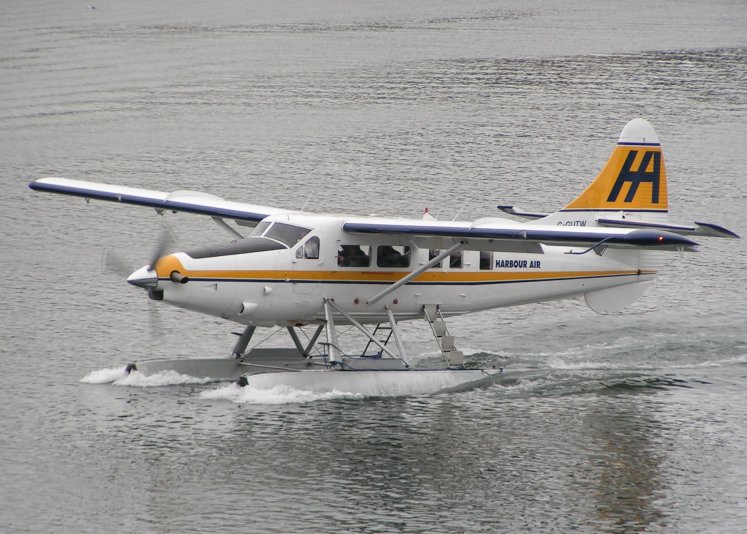





Design and types
There are three principal configurations:
- Floatplane: a conventional fuselage with one or more pontoons (floats) mounted beneath the fuselage.
- Flying boat: the main fuselage has a boat-like hull that provides buoyancy and water handling.
- Amphibian: either a floatplane or flying boat fitted with retractable wheels for operation from land and water.
Key design features include a step in the hull to break water adhesion during takeoff, corrosion-resistant materials or treatments, and specialized docking gear.
History and development
Experiments with water-based aircraft began in the early 20th century. As engines and airframes matured, seaplanes played roles in exploration, early passenger routes, maritime patrols and wartime reconnaissance. Large flying boats once provided long-distance passenger services before land-runway networks expanded.
Uses and examples
Seaplanes are valued for access to remote communities, tourism and sightseeing, search and rescue, scientific fieldwork, firefighting (water-bomber configurations) and some military missions. Well-known examples include small utility types used for bush flying as well as historical patrol flying boats and modern water-scooping firefighting aircraft.
Advantages, limitations and operations
- Advantages: access to isolated locations, flexible basing on water, scenic transport options.
- Limitations: sensitivity to sea state and waves, generally lower payload and speed compared with land planes of similar size, higher maintenance due to corrosion and marine exposure.
Seaplane operations also rely on suitable water infrastructure such as docks, ramps and protected harbors, and are subject to maritime as well as aviation regulations. Safety considerations include wave height, wind, and water traffic when planning takeoffs and landings.
Related articles
Author
AlegsaOnline.com Seaplane: Types, Design, History, and Uses Leandro Alegsa
URL: https://en.alegsaonline.com/art/88275