
Water turbine: types, design, history and uses
A water turbine is a rotary machine that extracts energy from moving water. This article explains how turbines work, major types, components, historical development, uses in power generation, and environmental considerations.
Overview
A water turbine is a rotary device that converts the energy of flowing or falling water into mechanical work. In practice the turbine spins a shaft that is coupled to a generator or other machinery. Water turbines evolved from older water wheels and became the dominant technology for converting hydraulic energy into usable power. For a concise technical definition see technical overview.
Image gallery
10 Images




Design and main components
Turbines are engineered to match the hydraulics of a site: the available head (vertical drop) and flow rate determine the best geometry. Typical components include:
- Penstock: a conduit that directs water toward the turbine.
- Runner (rotor): the rotating element with blades that extract energy.
- Casing or scroll: channels water into the runner at controlled angles.
- Wicket gates or guide vanes: regulate flow and admission to the runner.
- Draft tube: recovers pressure downstream in reaction turbines.
- Shaft and coupling: transmit torque to a generator or pump.
Major types and operation principles
Water turbines are commonly grouped by how they extract energy and by the hydraulic head they suit. Two broad principles are:
- Impulse turbines (e.g., Pelton): water jet strikes buckets on the runner; pressure remains atmospheric and only the jet's momentum is used. These are typical for high-head, low-flow sites.
- Reaction turbines (e.g., Francis, Kaplan): the runner develops torque through both pressure and velocity changes as water flows over blades; suited to medium- and low-head conditions and higher flow rates.
History and development
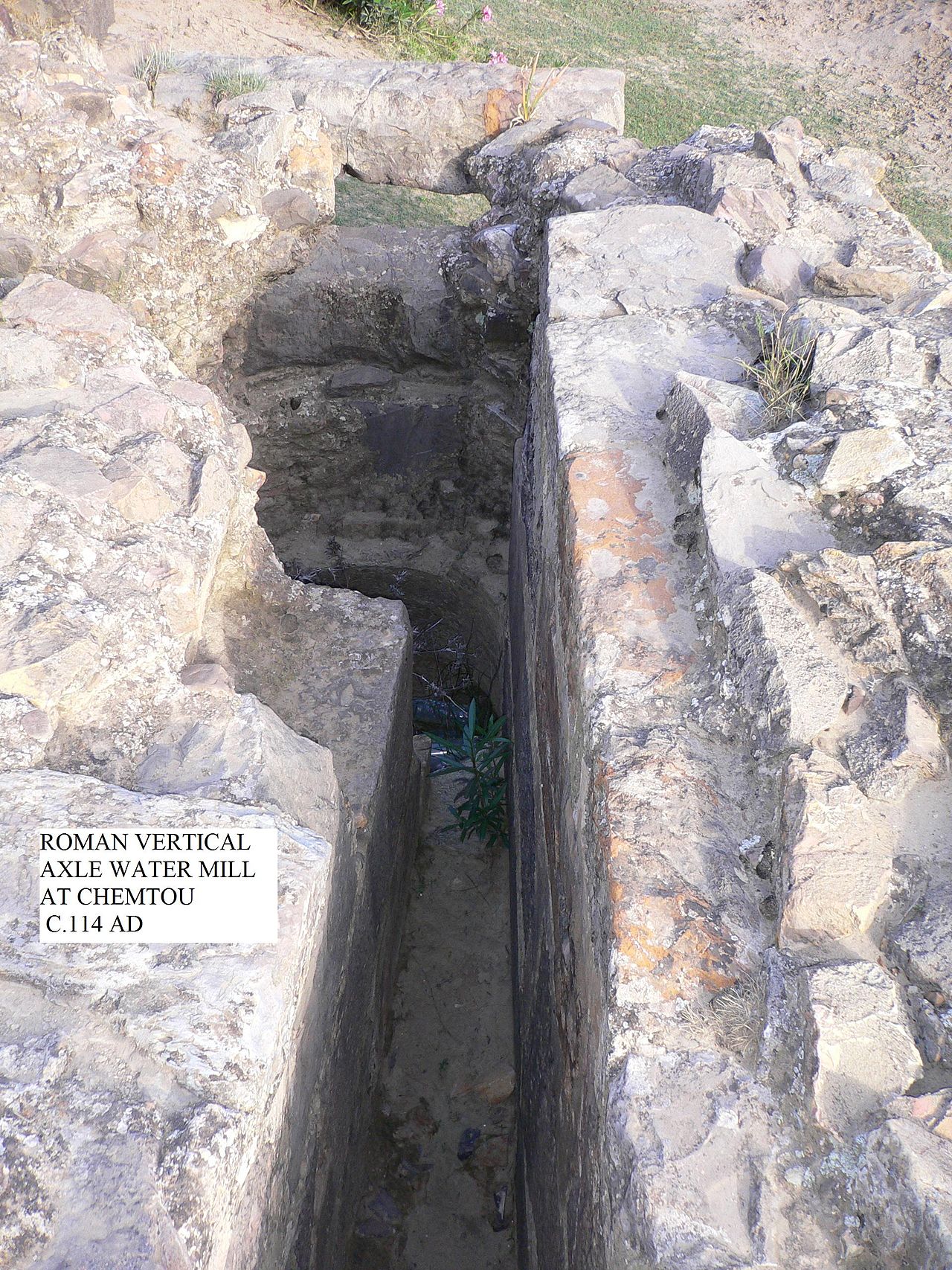
Water turbines were developed and refined during the nineteenth century, eventually replacing many traditional water wheels because of higher speed and compactness. Before the widespread electrification of grids, turbines directly powered mills and factories. As electrical generation matured, turbines became the main prime mover in hydroelectric plants, where mechanical rotation is converted to electricity via generators; see resources on power generation here and historical context here.
Uses, benefits and environmental considerations
Today most large water turbines are used to generate electricity in dams and run-of-river plants. They also serve in pumped-storage facilities that act as large batteries by reversing turbines to pump water uphill. Turbines harness a renewable, low-carbon energy source and can provide steady baseload or flexible grid support. However, river regulation, fish passage, sediment trapping and habitat changes are environmental concerns; modern projects apply mitigation such as fish-friendly turbine designs and improved flow management. For broader renewable energy context see renewables overview.
Notable facts and trends
Water turbines are scalable from small micro-hydro units for local communities to massive machines in major dams. Advances focus on higher efficiency, improved materials, variable-speed operation and reduced ecological impact. Small and modular turbines increase access in remote areas, while research into tidal and wave-adapted turbines expands the range of marine applications. Further technical guidance can be found via introductory materials linked at reference.
Questions and answers
Q: What is a water turbine?
A: A water turbine is a type of rotary engine that captures energy from moving water.
Q: When were water turbines developed?
A: Water turbines were developed in the 19th century.
Q: What were water turbines widely used for before electrical grids were introduced?
A: Water turbines were widely used for industrial power before electrical grids were introduced.
Q: For what purpose are water turbines mostly used today?
A: Water turbines are mostly used today for electric power generation.
Q: Why is the energy harnessed by water turbines considered a clean and renewable energy source?
A: The energy harnessed by water turbines is considered clean and renewable because it comes from moving water, which is a natural and constantly replenished resource.
Q: What is the advantage of using water turbines over other forms of energy generation?
A: The advantage of using water turbines is that they harness a clean and renewable energy source, which reduces dependence on fossil fuels and contributes to a greener energy mix.
Q: What is meant by the term "rotary engine"?
A: The term "rotary engine" refers to an engine that converts energy into rotary motion, which is rotational movement around an axis.
Related articles
Author
AlegsaOnline.com Water turbine: types, design, history and uses Leandro Alegsa
URL: https://en.alegsaonline.com/art/106821