
Water heating: methods, energy sources, uses, and safety
Comprehensive overview of water heating: how it works, common system types (storage, tankless, solar, heat pumps), energy sources, domestic and industrial uses, efficiency, safety and environmental points.
Overview
Water heating is the process of raising the temperature of water using an external energy source. In households this typically supplies hot water for bathing, cleaning, cooking and space heating; in industry the same basic idea is used to produce hot water or steam for manufacturing, sterilization and power generation. The underlying action is a thermodynamic process that transfers energy into water so its temperature increases above the incoming cold or mains supply and the desired service temperature is achieved (more on temperature control).
Image gallery
10 Images



Common systems and components
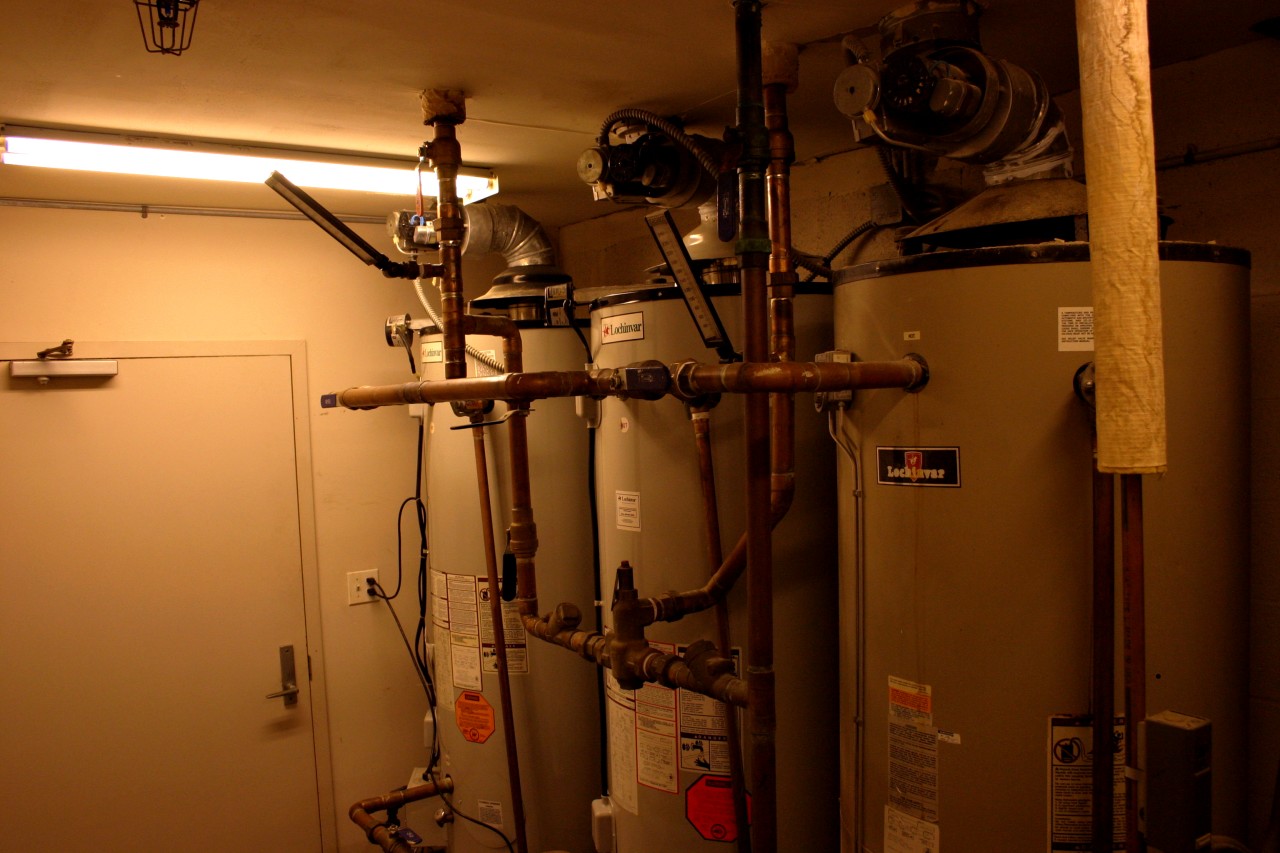
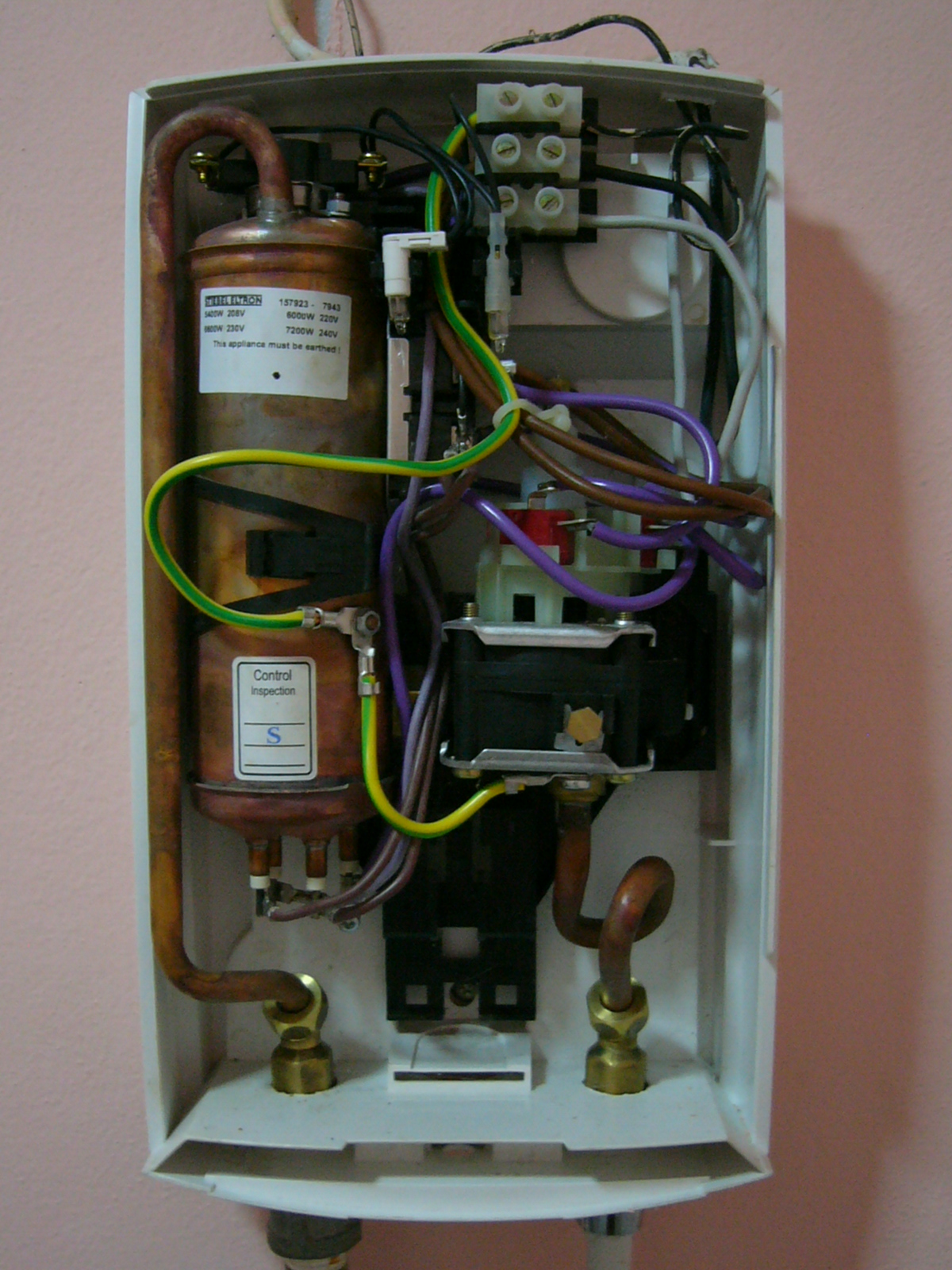
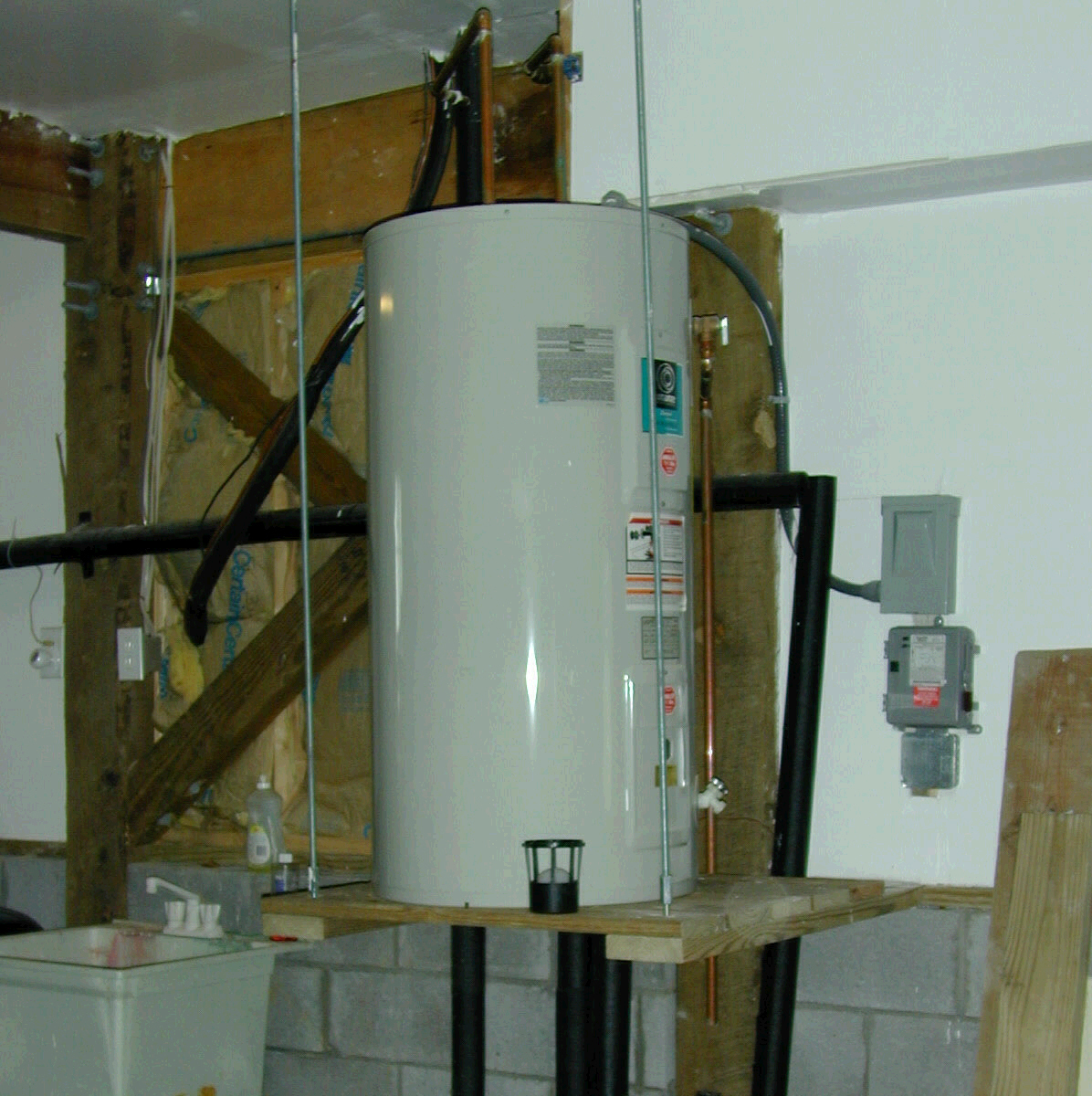
Systems fall into broad categories that suit different needs: storage tank heaters, instantaneous (tankless) units, heat-pump water heaters, solar thermal collectors, and combined or multifunction boilers. Typical components include a heat source or heat exchanger, a storage vessel or flow-through heat exchanger, temperature and pressure controls, safety devices such as relief valves, and insulation to reduce standby losses. Central systems often add circulation pumps and mixing valves to deliver stable outlet temperatures.
- Storage (tank) heaters: store heated water for later use and are sized for household demand.
- Tankless (instantaneous): heat water on demand and avoid large standby losses.
- Heat pump water heaters: move ambient heat into water and can be more efficient than direct electric resistance.
- Solar thermal systems: use collectors to preheat or directly supply hot water, often with a backup source.
Energy sources and efficiency
Water heating may use a range of fuels and technologies. Conventional options are fossil fuels such as natural gas, liquefied petroleum gas, or fuel oil, and in some settings solid fuels like coal or firewood. Electricity is widely used either directly or as the carrier for heat from other generation sources (electric water heaters). Electricity itself can be generated from a mix of grid sources including nuclear or renewable energy; alternatively, on-site solar photovoltaic panels paired with heat pumps or electric heaters are increasingly common.
Efficiency considerations vary by technology: heat pumps and solar preheat systems typically deliver higher useful heat per unit of input energy than simple resistance heaters or older combustion appliances. Insulation, proper sizing, temperature setpoints and maintenance (descaling, burner tuning, clear collectors) are crucial to keep systems efficient and safe.
Uses, history and notable distinctions
Historically, the development of boilers and centralized heating enabled larger buildings and industrial processes to use hot water and steam reliably. Steam remains central to many industrial processes and electricity generation; hot water systems are prevalent in residential and commercial buildings for sanitary and comfort uses. Distinctions to note include the difference between hot-water systems (closed-loop distribution for space heating) and steam systems (phase change used for energy transfer), and the contrast between continuous-flow vs stored-water delivery in domestic installations.
Selection, safety and environmental aspects
Choosing a system involves matching peak and typical loads, available energy sources, space constraints and budget. Safety features—temperature/pressure relief valves, backflow prevention, proper venting for combustion appliances and legionella mitigation in large or low-temperature systems—are essential. Environmental impacts depend on fuel choice and efficiency; switching to lower-carbon electricity, heat pumps, or solar thermal can reduce greenhouse gas emissions. Regular maintenance, correct insulation and thoughtful controls can extend equipment life, reduce energy use and improve safety.
Further reading and resources
For technical standards, installation guidance and performance comparisons consult manufacturer documentation and recognized industry guidelines. The topics introduced here connect to broader areas such as building services, renewable energy integration and industrial process heat; each of those subjects has specialized literature and codes for designers and installers.
Related links: process overview, supply considerations, temperature control, steam uses, natural gas, LPG, fuel oil, coal, firewood, electric, nuclear, renewable.
Questions and answers
Q: What is water heating?
A: Water heating is a process that utilizes energy sources to heat water above its initial temperature.
Q: What are some typical domestic uses of hot water?
A: Some typical domestic uses of hot water are cooking, cleaning, and bathing, as well as space heating.
Q: What are some common energy sources used for heating water?
A: The most common energy sources used for heating water are fossil fuels, such as natural gas, liquefied petroleum gas, and oil. Solid fuels, such as coal and firewood, are also occasionally used.
Q: Can electricity be used to heat water?
A: Yes, electricity can be used to heat water, and it may be derived from any of the aforementioned fuels, as well as from nuclear or renewable sources.
Q: What are some alternative energy sources that can be used for water heating?
A: Alternative energy sources that can potentially be used for water heating include solar energy, heat pumps, hot water heat recycling, and sometimes geothermal power. These may be used in combination with gas, oil or electricity.
Q: What are some industrial uses of heated water?
A: Both hot water and water heated to steam have many uses in industry.
Q: How are the various energy sources for water heating typically consumed?
A: The various energy sources for water heating may be consumed either directly or via the use of electricity.
Related articles
Author
AlegsaOnline.com Water heating: methods, energy sources, uses, and safety Leandro Alegsa
URL: https://en.alegsaonline.com/art/106794
Sources
- snowman.com.au : "Heating & Cooling"