
Water wheel: history, design, and uses of a traditional hydropower machine
A water wheel harnesses flowing water to produce mechanical power. This article explains its types, components, history, and common uses, and distinguishes related devices such as paddle wheels and norias.
A water wheel is a mechanical device that converts the energy of moving water into rotational motion that can drive machinery. As an early form of hydropower, water wheels were fundamental to pre-industrial manufacturing and remained widely used for centuries. They differ from vessel-propulsion devices like the paddle wheel and from specialized lifting wheels called norias; for industrial setups that used wheels to power multiple processes, see the watermill.
Image gallery
10 Images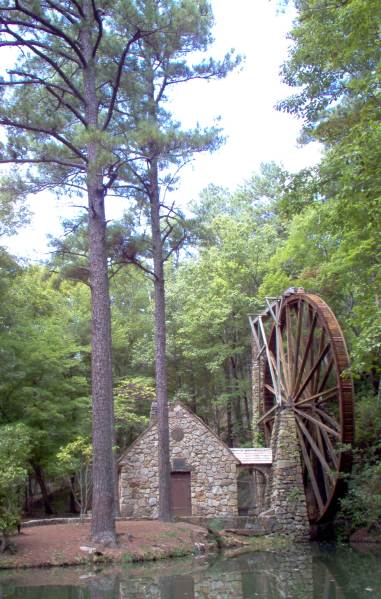



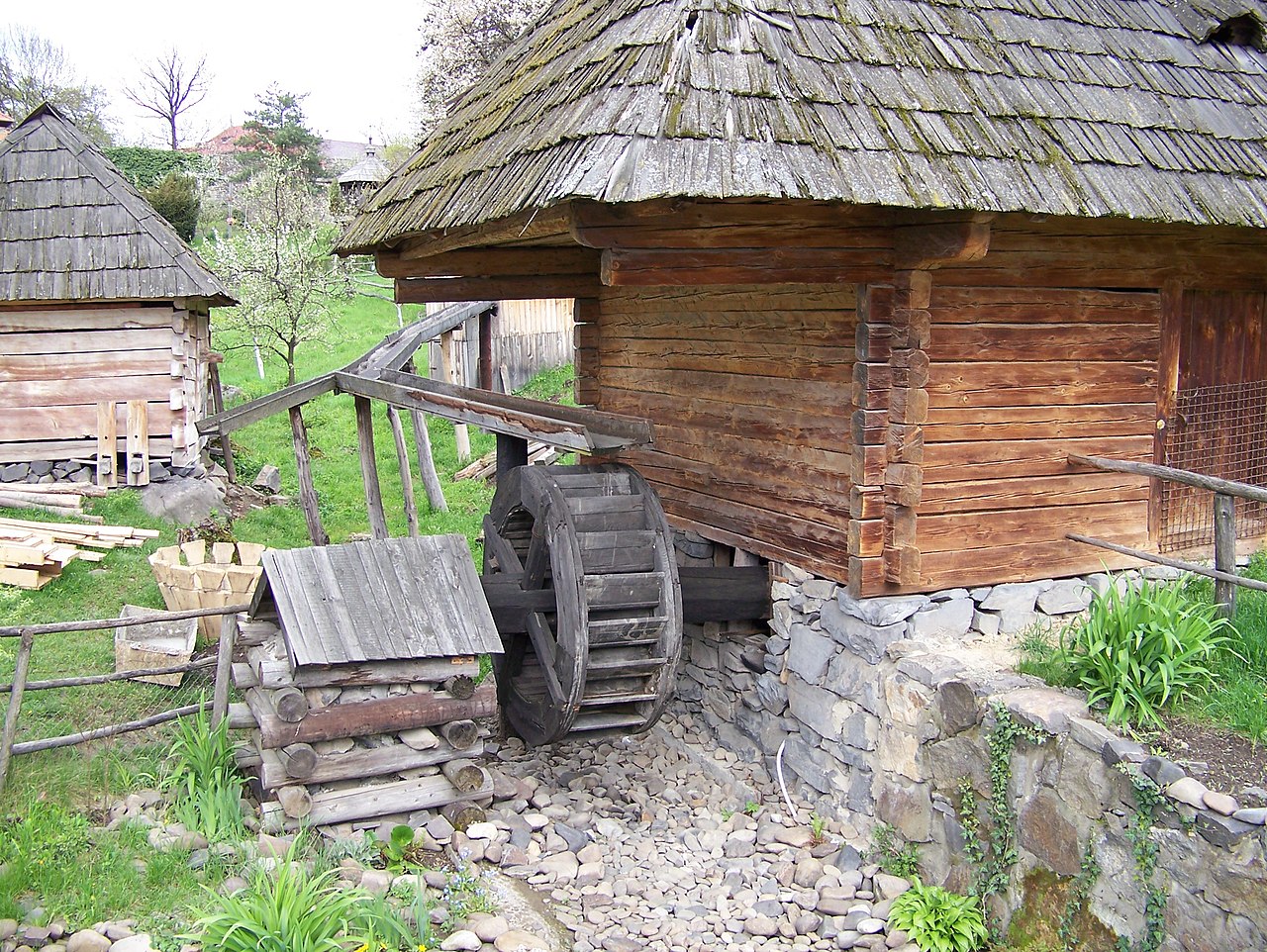


Basic design and common parts
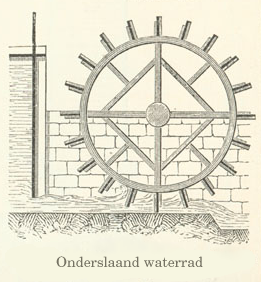
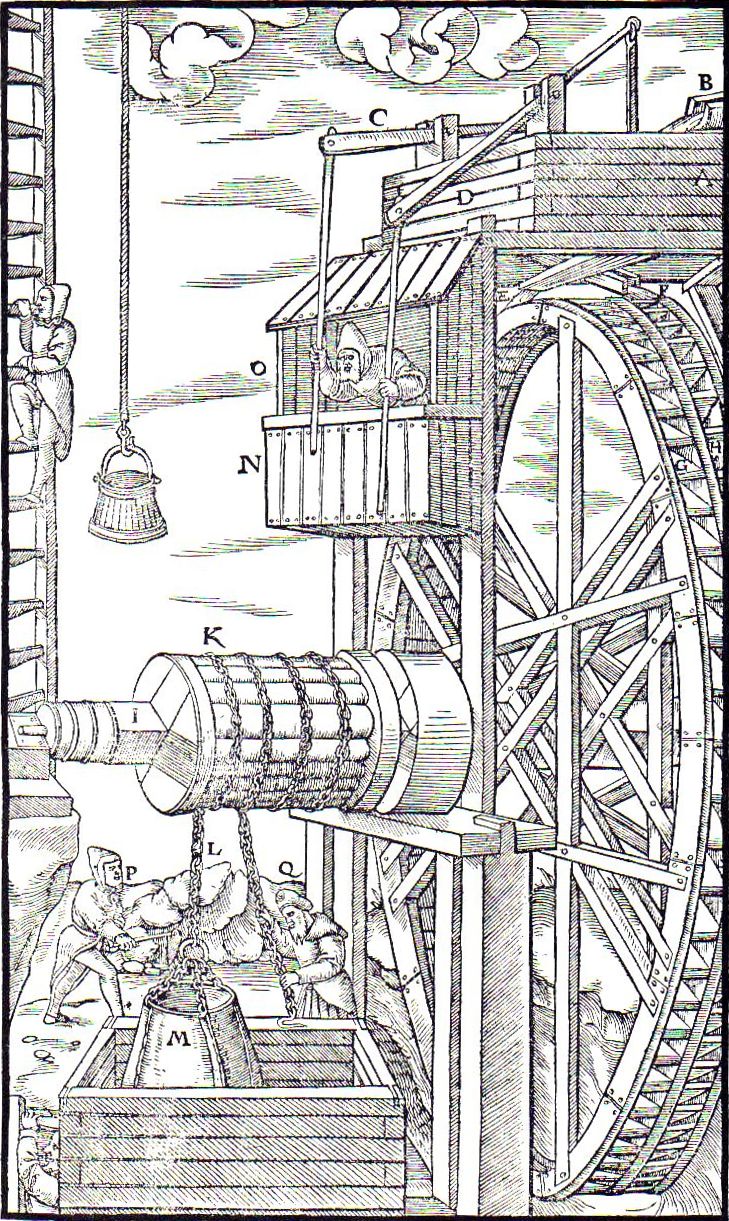
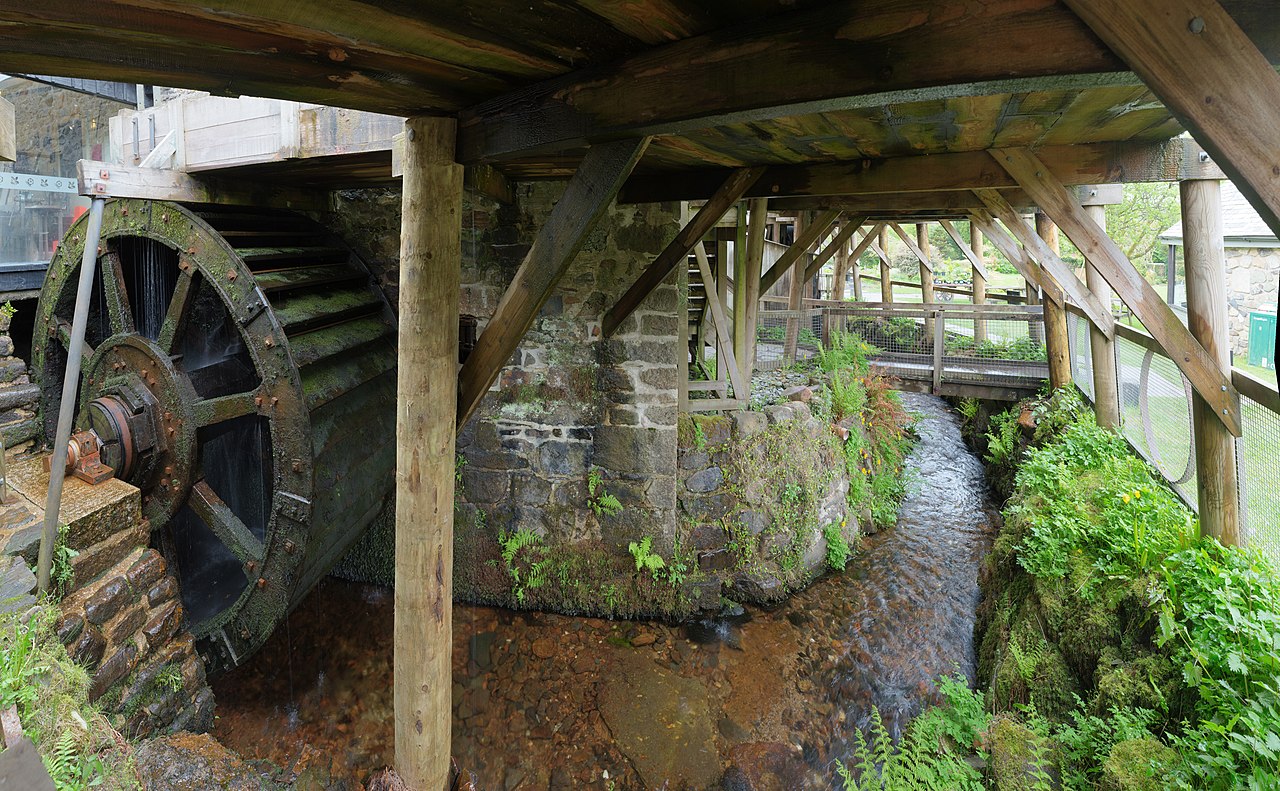
At its simplest a water wheel is a large rim mounted on an axle and fitted with working surfaces—either flat blades or bucket-like buckets—around the circumference. Most are vertical wheels mounted on a horizontal shaft (axle), though some types such as tub or Norse wheels have a horizontal wheel on a vertical shaft. The flow of water may strike the wheel from above, below or the side; these arrangements are generally called overshot, undershot and breastshot respectively. The spent water exits via a channel often referred to as a tailrace.
Types, operation and mechanics
- Overshot wheels capture falling water and are efficient on steep sites.
- Undershot wheels are driven by fast-flowing streams and suit low-head locations.
- Breastshot wheels take water at mid-height and are intermediate in performance.
Power is transmitted from the rotating wheel either directly through the axle to driven equipment or indirectly through gears, belts and supplementary gearing to change speed and direction. Horizontal wheels usually couple directly to grinding stones or simple machines, while vertical wheels commonly use gearing to distribute power inside a building.
Historical development and significance
Water wheels date back to antiquity and were refined over centuries. During the Middle Ages they became a dominant power source across Europe, often working alongside other renewable machines such as the windmill. By converting river and stream energy to mechanical work, water wheels powered systems that ranged from grain processing in gristmills to industrial tasks like foundry operations, metal machining, cloth fulling and the pounding of linen used in early paper production.
Uses, examples and notable distinctions
Typical uses included milling grain, sawing timber, hammering and stamping in ironworks, and driving bellows for furnaces. Water wheels were often central to village economies and could be combined with complex gearing to power multiple processes in a single watermill. Unlike modern turbines, traditional wheels are well suited for modest river sites and for applications where simple, low-speed torque is preferred.
Although largely supplanted by turbines and electric distribution in the 19th and 20th centuries, water wheels remain in use for heritage mills, micro-hydro installations and demonstration projects that value simplicity and durability. For further technical and historical resources consult specialized references and restoration groups: regional history, engineering guides at component studies and conservation documentation at restoration sites.
Questions and answers
Q: What is a water wheel?
A: A water wheel is a machine that extracts power from the flow of water.
Q: What was the most common use of water wheels in the Middle Ages?
A: The most common use of water wheels was to mill flour in gristmills.
Q: What other uses were there for water wheels?
A: Other uses for water wheels included foundry work, machining, and pounding linen for paper.
Q: How is a water wheel constructed?
A: A water wheel consists of a large wooden or metal wheel, with blades or buckets arranged on the outside rim forming the driving surface.
Q: How are vertical water wheels mounted?
A: Vertical water wheels are mounted vertically on a horizontal axle, and can transmit power either through the axle or via a ring gear and typically drive belts or gears.
Q: How are horizontal water wheels mounted?
A: Horizontal water wheels are mounted horizontally on a vertical shaft, and usually directly drive their load.
Q: What is a "tailrace"?
A: A "tailrace" is a channel created for the water to follow after leaving the wheel.
Related articles
Author
AlegsaOnline.com Water wheel: history, design, and uses of a traditional hydropower machine Leandro Alegsa
URL: https://en.alegsaonline.com/art/106825