
Whipped cream
Light, aerated cream made by whisking high‑fat cream; used to top desserts and drinks. Varieties include stabilized creams, Chantilly-style sweetened cream, canned non‑dairy toppings, and siphon‑dispensed foam.
Overview
Whipped cream is a light, aerated topping created by incorporating air into cream. The process turns liquid cream into a soft foam that is used to finish desserts, beverages and other sweet or savory dishes. As a dairy product, it relies on the properties of milk fats and proteins to hold air and provide a smooth texture.
Image gallery
7 Images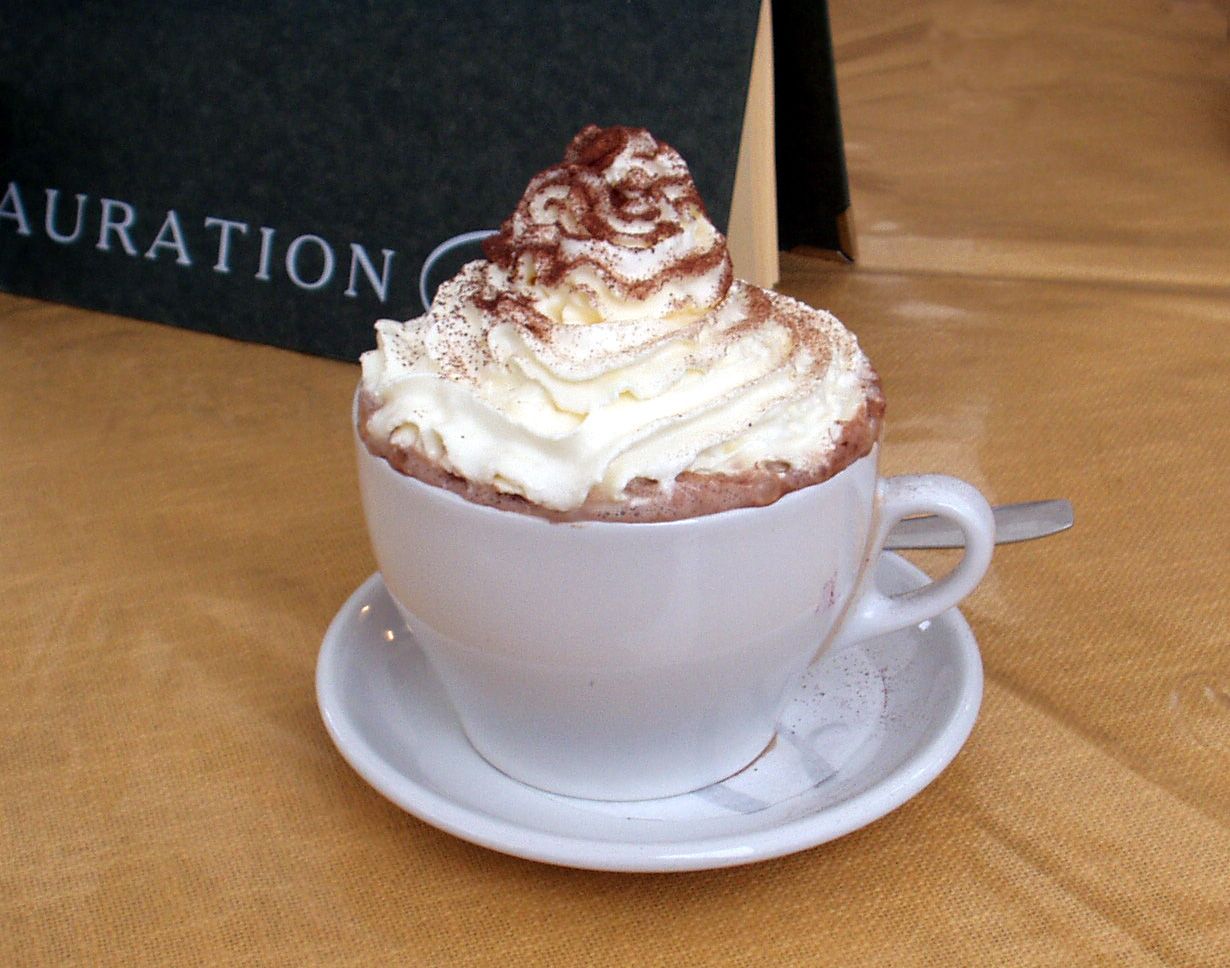


Composition and preparation
Traditional whipped cream begins with heavy cream or whipping cream, both of which have a relatively high concentration of fat. Sweeteners like sugar and flavorings such as vanilla are commonly added. Aeration can be done by hand whisking, an electric mixer, or by forcing gas into cream with a cream charger (nitrous oxide) and a siphon.
Methods and common variations
- Hand or electric whisking: simple and controllable; suited for small batches.
- Cream siphon with chargers: produces very light, evenly aerated foam quickly.
- Canned aerosol toppings: convenient, shelf‑stable alternatives often made from vegetable oils and stabilizers rather than fresh cream.
- Stabilized whipped cream: made with gelatin, cream cheese, or commercial stabilizers to hold peaks longer for piping and layered desserts.
History and terminology
The practice of whisking cream to produce a froth is longstanding and appears in several culinary traditions. The sweetened, perfumed variety known as Crème Chantilly is associated with French cuisine and became popular in Europe as a dessert accompaniment. Exact origins are diffuse and various food writers credit different regions and cooks with its refinement.
Uses, distinctions and tips
Whipped cream is commonly served on pies, cakes, hot beverages and fresh fruit; it can be piped into decorative shapes or folded into mousses and fillings. It differs from non‑dairy whipped toppings in flavor, mouthfeel and ingredient list. Practical tips include chilling cream and bowls before whipping, stopping when soft or firm peaks form, and avoiding overwhipping which separates the foam into butter and buttermilk. For long‑lasting decorations, a stabilizer can help maintain volume in warm conditions or during extended display.
Whether prepared at home or purchased ready‑made, whipped cream remains a versatile finishing element in both everyday and celebratory cooking. For further reading on dairy composition, culinary uses, and recipe ideas, see resources on dairy products and dessert preparation available via dessert guides.
Related articles
Author
AlegsaOnline.com Whipped cream Leandro Alegsa
URL: https://en.alegsaonline.com/art/107765