
Clitoris: anatomy, development, function, and significance
Comprehensive overview of the clitoris: its anatomy, embryology, physiology, role in sexual response, and clinical and cultural considerations.
Overview
The clitoris is a sensory organ of the female external genitalia whose primary biological role is to provide sexual pleasure. Visible externally only as a small glans, much of its structure lies beneath the surface. It contains specialized tissues and connections that distinguish it from surrounding structures and make it integral to human sexual response.
Image gallery
7 Images


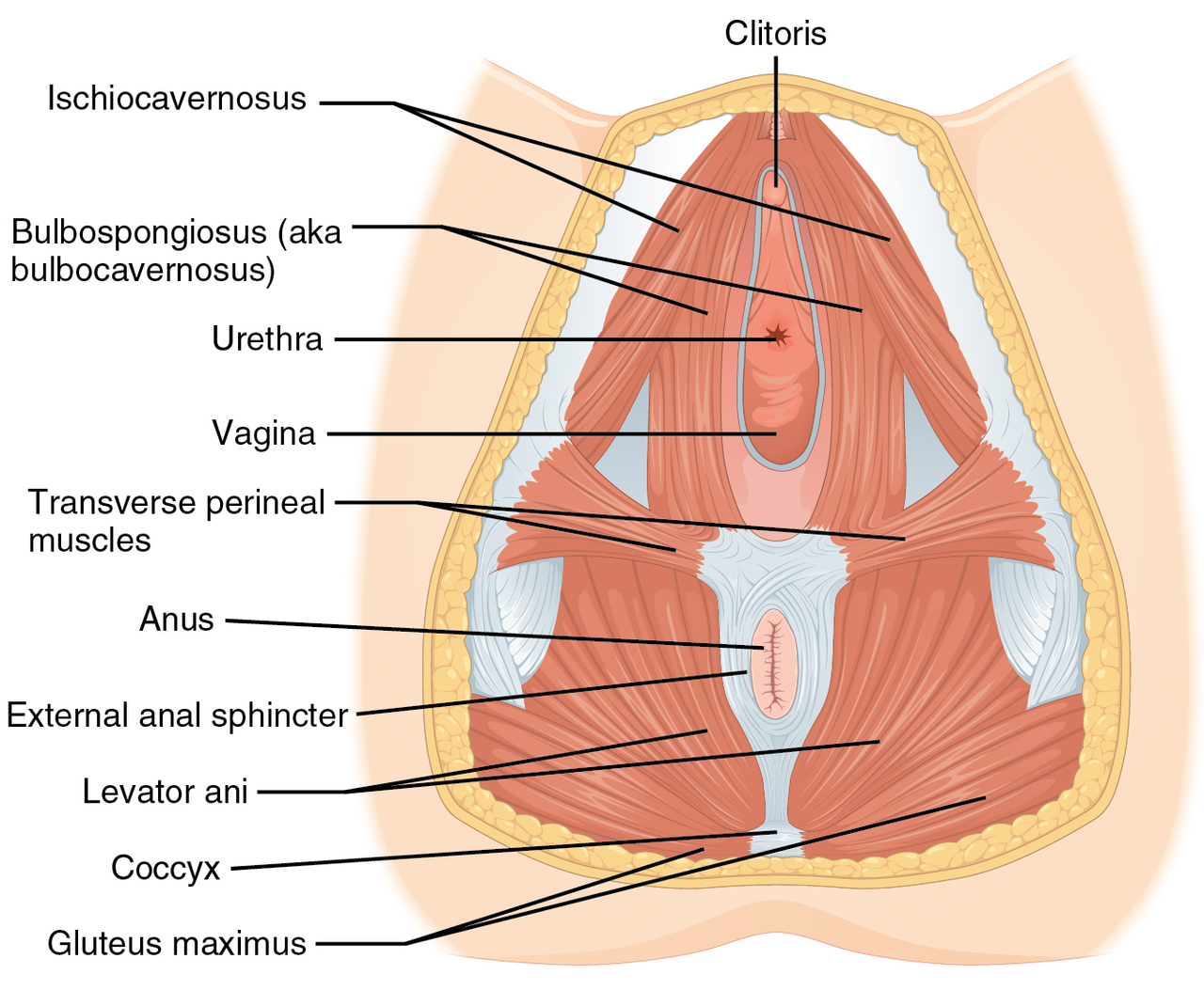


Anatomy and components
The clitoris is a composite organ made of multiple parts. These include an external glans and an internal body that splits into paired crura and bulbs. Key tissue types and supporting structures are:
- Erectile tissue — spongy tissue that engorges with blood during arousal.
- Glands — small glandular structures associated with the glans and vestibular area.
- Muscles — perineal muscles that interact with the deeper clitoral bodies.
- Ligaments — connective tissues that anchor the clitoris to the pelvis.
- Nerves — dense sensory innervation that mediates sensation.
- Blood vessels — arteries and veins that supply and drain the erectile tissue.
Development and homology
During embryonic development, genital structures arise from common precursors. A genital tubercle in an embryo differentiates into a penis in males or a clitoris in females. One notable difference is the presence of a urethra within the penis, while the clitoris does not contain a urinary channel; the female urethra opens separately. In males the urethra serves urination and also conveys semen during ejaculation.
Physiology and sexual response
Sexual arousal triggers increased blood flow to the clitoral erectile tissue, causing enlargement and heightened sensitivity. This vascular engorgement, along with stimulation, can lead to climax or orgasm in many women. At the same time, neighboring structures respond: the vagina can change shape and the vulvar tissues often produce lubrication. Lubricant secretion and mechanical changes facilitate comfortable sexual activity and reduce friction.
Function, variation, and health
The clitoris varies in size and sensitivity between individuals. For many, direct or indirect stimulation of the glans contributes to sexual satisfaction, but preferred types of stimulation differ widely. Understanding clitoral anatomy has clinical importance: surgical procedures, certain medical conditions, or cultural practices can affect sensation and function. Health professionals emphasize preservation of clitoral structures where possible to maintain sexual well‑being.
Cultural and notable points
Despite being pivotal to female sexual function, the clitoris has often been misunderstood or omitted in education and historical anatomy accounts. Contemporary research and public health efforts aim to improve accurate anatomical knowledge, respectful clinical care, and informed sexual education. For more technical descriptions and diagrams, see further resources: erectile tissue, glandular anatomy, and clinical overviews at muscle relations and ligament support. Additional material on innervation and blood supply is available at nerve and vascular references; general sexual health resources address lubrication and response patterns.
Questions and answers
Q: What is the clitoris?
A: The clitoris is a female genital organ that includes erectile tissue, glands, muscles and ligaments, nerves, and blood vessels.
Q: How does the clitoris differ from the penis?
A: The penis contains a urethra for urination and passing semen out of the body, while there is no urethra in the clitoris. In women, the urethra is hidden behind the clitoris and in front of the vagina.
Q: What role does the clitoris play in sexual pleasure for females?
A: The clitoris causes females sexual pleasure, arousal and orgasm. Rubbing or applying other consistent pressure to it is usually needed to help the female have an orgasm. During sexual arousal, erectile tissue fills with blood which causes it to grow until orgasm happens. Touching sensitive areas of female genitals also makes a woman's vagina change shape and release lubricant which makes sex easier for a man to enter her body.
Q: How large is the clitoris compared to a penis?
A: Most of the clitoris is hidden inside the body but when adding both outside and inside parts together they are about equal size as a penis.
Q: What do male and female genital organs have in common?
A: Male and female genital organs grow from same tissue in womb; they bear many similar parts.
Q: Where can you find erectile tissue on a woman's body?
A: Erectile tissue can be found on a woman's body within her clitoral organ.
Tags
Related articles
Author
AlegsaOnline.com Clitoris: anatomy, development, function, and significance Leandro Alegsa
URL: https://en.alegsaonline.com/art/21050
Sources
- books.google.com : Psychology Applied to Modern Life: Adjustment in the 21st Century · web.archive.org
- sciencedirect.com : "The nature of human orgasm: a critical review of major trends"
- doi.org : 10.1016/S0272-7358(00)00069-6
- pubmed.ncbi.nlm.nih.gov : 11497209
- sciencedirect.com : "Female Sexual Function and Dysfunction"
- doi.org : 10.1016/j.ogc.2008.03.006
- pubmed.ncbi.nlm.nih.gov : 18486835
- sevenstories.com : The Clitoral Truth