
Vittorio Arrigoni: Italian reporter, pacifist and Gaza activist (1975–2011)
Overview of Vittorio Arrigoni, an Italian reporter and pacifist who lived in Gaza, his activism and writings, the circumstances of his 2011 abduction and death, and his legacy in journalism and solidarity movements.
Vittorio Arrigoni (4 February 1975 – 5 April 2011) was an Italian reporter and activist who became known for living in the Gaza Strip and documenting the humanitarian effects of the Israeli–Palestinian conflict. He described himself as a pacifist and spent years combining direct solidarity work with blogging, reporting and public speaking. His writing and activism sought to draw international attention to the lives of civilians in Gaza while defending non‑violent forms of resistance and humanitarian assistance.
Image gallery
2 Images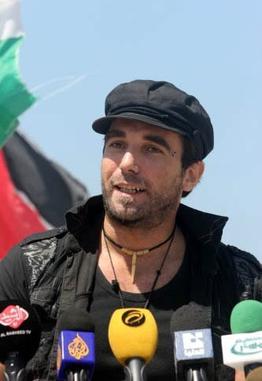

Background and move to Gaza
Born and raised in Italy, Arrigoni worked at times as a journalist and frequently contributed to independent outlets and blogs. Motivated by political convictions and a desire to be present where he saw urgent need, he moved to the Gaza Strip and embedded himself in local civil society networks. Over time he became a familiar figure in Gaza’s activist circles, known for distributing humanitarian aid, helping organise solidarity campaigns and reporting from inside the territory.
Activism, views and work
Arrigoni combined first‑hand reporting with active participation in solidarity initiatives. He was often described as a reporter, a political activist and a peace-oriented campaigner. He frequently criticised the policies of Israel regarding blockades and military operations while also denouncing armed groups whose tactics he believed harmed civilians. In his public statements and pieces he opposed violence directed at noncombatants and sought to highlight humanitarian needs in ways that he felt mainstream media sometimes overlooked.
Reporting methods and public presence
Arrigoni published articles, blog posts and reports that mixed eyewitness description, interviews and political commentary. He used social media and independent platforms to circulate his observations to an international audience, and he collaborated with grassroots organisations that provided aid and advocated for rights in Gaza. His presence there made him a controversial figure in some forums: admired by supporters for his solidarity, criticised by others who questioned the risks of foreign activism in conflict zones.
Context in Gaza
The environment in which Arrigoni worked was complex and volatile, involving governing authorities, intra‑Palestinian political divisions and a range of armed groups. Some of these groups were Islamist in orientation and promoted strict social policies, which Arrigoni publicly condemned when he considered them abusive or repressive. He specifically spoke out against extreme positions taken by certain Islamist groups, even as he remained a vocal critic of occupation and blockade measures.
Kidnapping and death
In early April 2011 Arrigoni was seized by a militant faction operating in Gaza. The captors demanded the release of an imprisoned associate and posted footage showing him blindfolded. The video, circulated via a popular video service and social platforms, labelled him a foreign trespasser and accused him of attempting to "spread corruption." Reports described that the group presented the detained Italian as a hostage and made political demands directed at the local authorities. Shortly afterwards his body was found in Gaza; official reports indicated he had been beaten and strangled.
Perpetrators, investigations and official reactions
Local authorities and international observers condemned the killing and said they would pursue those responsible. Media and human rights organisations described the perpetrators as a small extremist Islamist or militant group rather than a mainstream political actor. The incident prompted expressions of sorrow from humanitarian organisations, journalists’ associations and governments, and it intensified discussion about the responsibilities of governing institutions to protect civilians and foreigners in their territory, including activists and journalists.
Aftermath and legacy
Arrigoni’s death sparked debate about the role and safety of international activists working in conflict settings. Supporters remember him as a committed voice for Palestinian civilians and a chronicler of hardship; critics cautioned about the dangers of visiting highly polarized areas and questioned tactics that might increase vulnerability. His writings, translated pieces and interviews continue to be cited in discussions about international solidarity, press freedom and the ethics of humanitarian witness.
- He is often referenced as both a grassroots activist and an independent journalist who prioritised direct observation.
- The kidnappers used online platforms such as YouTube-style services to publicise their demands and the footage of the hostage.
- Some reports connected the incident to tensions with the Hamas authorities, while others emphasised the small, extremist nature of the group involved.
- Arrigoni’s work remains accessible through collections held by Gaza-focused advocacy groups and through translations on multiple independent outlets (Gaza-related resources).
- Observers note that his stance combined criticism of state policy with opposition to violent non‑state actors, reflecting a complex position in a fraught environment.
For researchers, journalists and readers seeking primary materials, contemporary news coverage, archived blog posts and collected translations offer further information about his life and the responses that followed his death. His case is studied in discussions about volunteer protection, the ethics of witnessing conflict and the limits of international solidarity when local security is fragmented.
Related articles
Author
AlegsaOnline.com Vittorio Arrigoni: Italian reporter, pacifist and Gaza activist (1975–2011) Leandro Alegsa
URL: https://en.alegsaonline.com/art/105678