
Vitus Bering: Danish-born Explorer in Russian Service
Vitus Bering (1681–1741), a Danish navigator who served the Russian navy, led two major Pacific expeditions that clarified the separation of Asia and North America and left a lasting geographic legacy.
Overview
Vitus Jonassen Bering (1681–1741), also known in Russian sources as Ivan Ivanovich Bering, was a Danish navigator and explorer who spent most of his career in the service of the Russian state. Born in what is now Denmark, Bering entered maritime life early and later joined the Danish and then the Russian fleets. His voyages in the early 18th century across the North Pacific helped determine that Asia and North America are separate landmasses, and several geographic features now bear his name.
Image gallery
7 Images

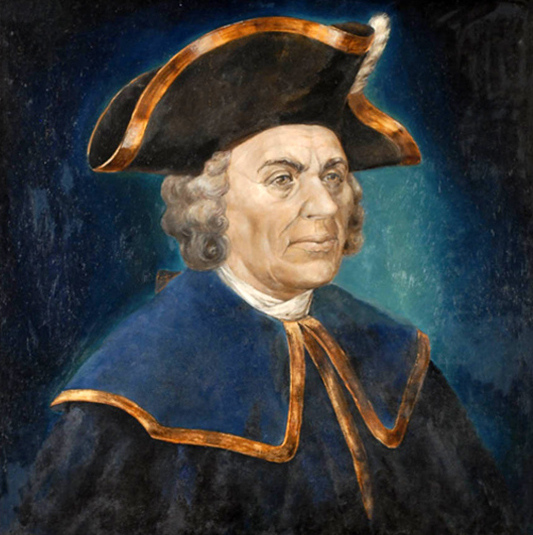

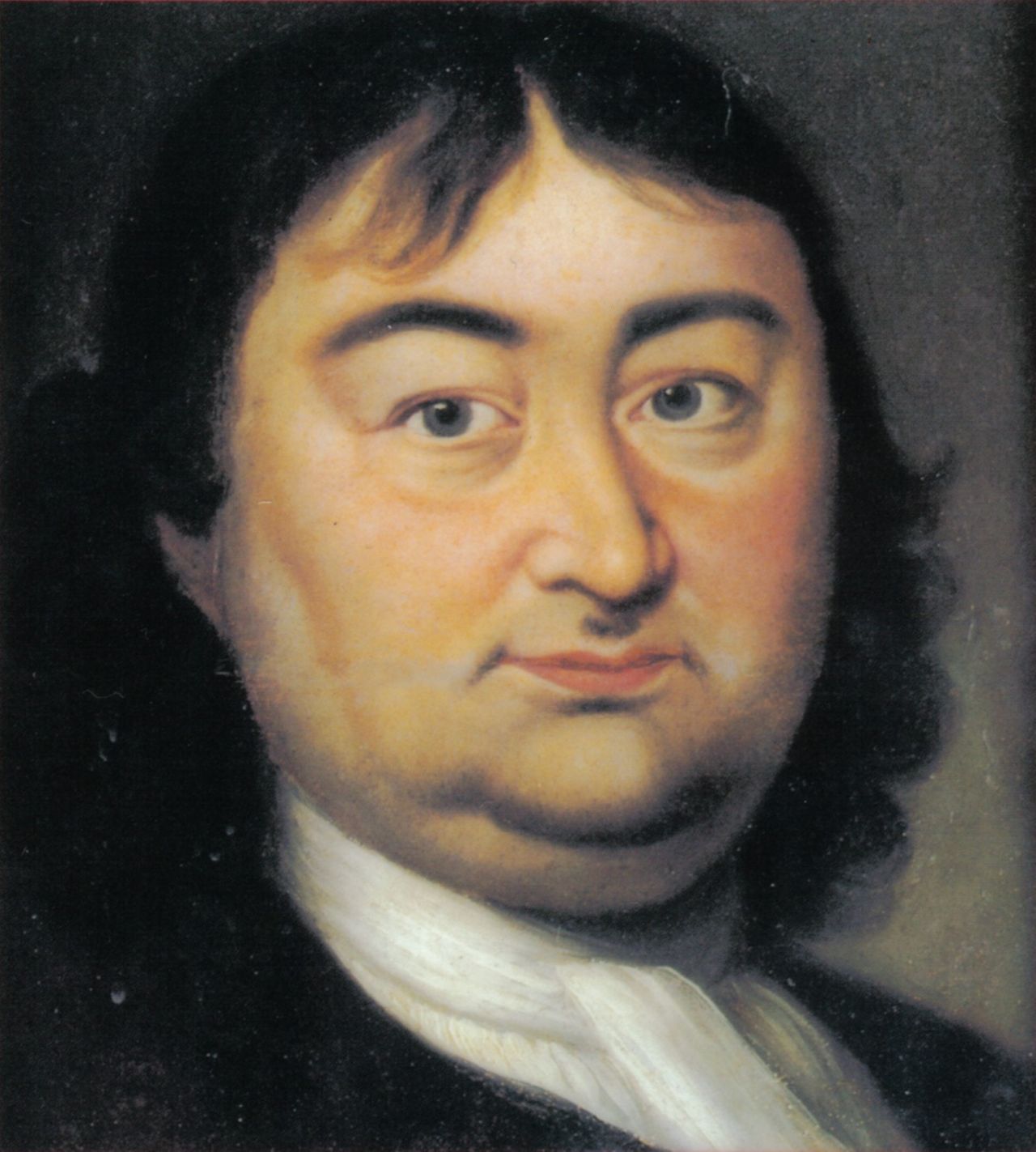

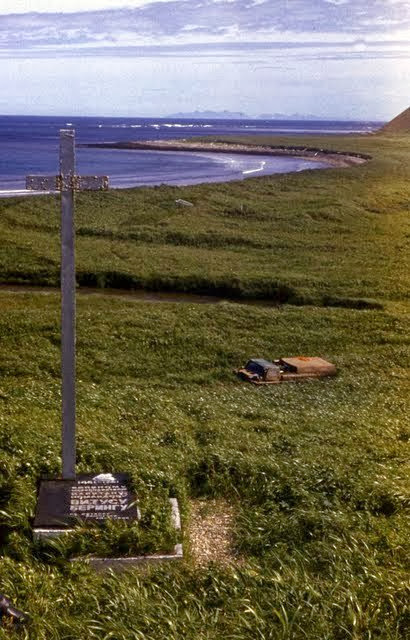
Early life and Russian service
Bering trained as a seaman and is widely described as a skilled seafarer. In 1704 he entered the Russian navy, where he was commissioned as an officer and recorded as holding the rank of second lieutenant early in his career. During the Great Northern War he served with distinction; that conflict, the Great Northern War, provided opportunities for promotion and experience, and Bering was subsequently promoted to higher command and eventually recognized as a commander within the Russian naval establishment.
Major expeditions
Bering led two principal voyages that define his historical reputation. The First Kamchatka Expedition (1725–1730) aimed to map the northeastern shores of Asia and to determine whether Asia and North America were connected. The later and far larger Second Kamchatka Expedition (often called the Great Northern Expedition, begun in the 1730s) assembled numerous ships and scientific personnel to chart the Arctic and North Pacific coasts, to collect natural history specimens, and to test Siberian sea routes.
Discoveries, outcomes and death
On his second major voyage Bering sailed north from Kamchatka into the Bering Sea and reached the vicinity of the Aleutian Islands and the coast of what is now Alaska, providing European navigators with direct seaborne evidence of the separation between the continents. The expedition produced charts, natural history collections and reports that expanded European knowledge of the North Pacific. Bering himself died in 1741 on an island later named Bering Island; many members of his crew suffered from scurvy and hardship on the return journeys.
Legacy and namesakes
Bering's name is attached to several major features of the North Pacific region, including the Bering Sea, the Bering Strait and Bering Island. His voyages were important in the history of Russian exploration and in the eventual Russian presence in North America. Modern historians note both the scientific contributions of the expeditions and the difficult human costs of long, poorly supplied voyages of the era.
Further reading
Questions and answers
Q: Who was Vitus Bering?
A: Vitus Bering was a Danish seafarer and explorer.
Q: What was Vitus Bering's Russian name?
A: Vitus Bering's Russian name was Ivan Ivanovich Bering.
Q: When did Vitus Bering begin his service in the Russian navy?
A: Vitus Bering began his service in the Russian navy in 1704.
Q: What was Vitus Bering's rank during the Great Northern War?
A: Vitus Bering's rank during the Great Northern War was commander.
Q: Did Vitus Bering distinguish himself during the Great Northern War?
A: Yes, Vitus Bering distinguished himself during the Great Northern War.
Q: What was Vitus Bering's highest rank?
A: There is no information in the text regarding Vitus Bering's highest rank.
Q: What did Vitus Bering explore?
A: There is no information in the text regarding what Vitus Bering explored.
Related articles
Author
AlegsaOnline.com Vitus Bering: Danish-born Explorer in Russian Service Leandro Alegsa
URL: https://en.alegsaonline.com/art/105682
Sources
- denmark.dk : "Vitus Bering"
- commons.wikimedia.org : Vitus Bering