
Virtual Reality: Principles, Components, History and Applications
Virtual reality (VR) is a computer-generated environment that simulates physical presence and sensory experience. This article explains how VR works, its components, history, uses and how it differs from augmented reality.
Overview
Virtual reality (VR) is a category of computer technology that creates an immersive, simulated environment in which a user can feel present. VR systems use specialized software to generate visual scenes, synchronized audio and other sensations, so a person perceives being in a place different from their physical surroundings. The simulated environment might represent a real-world location (for training or tourism) or a wholly imagined space (for entertainment or design).
Image gallery
10 Images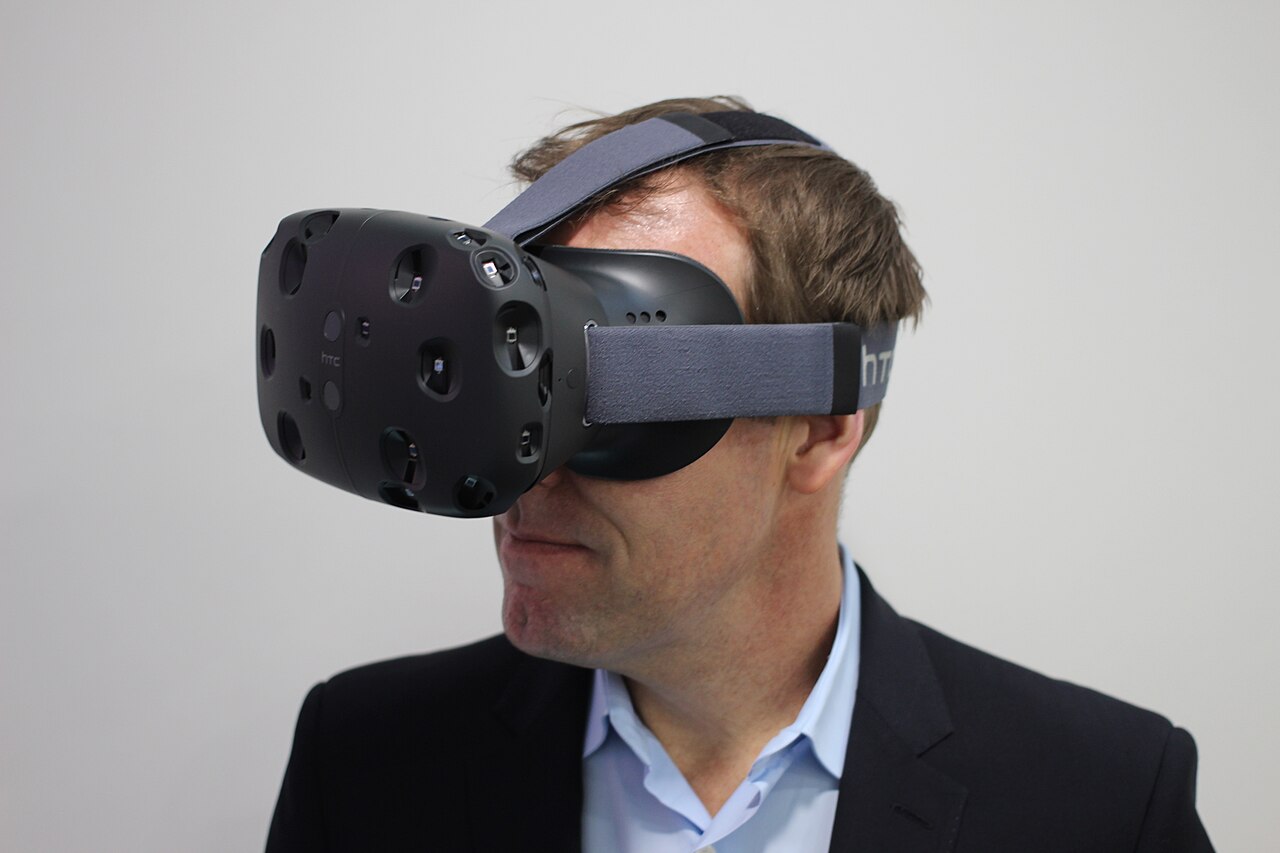



Core components and characteristics
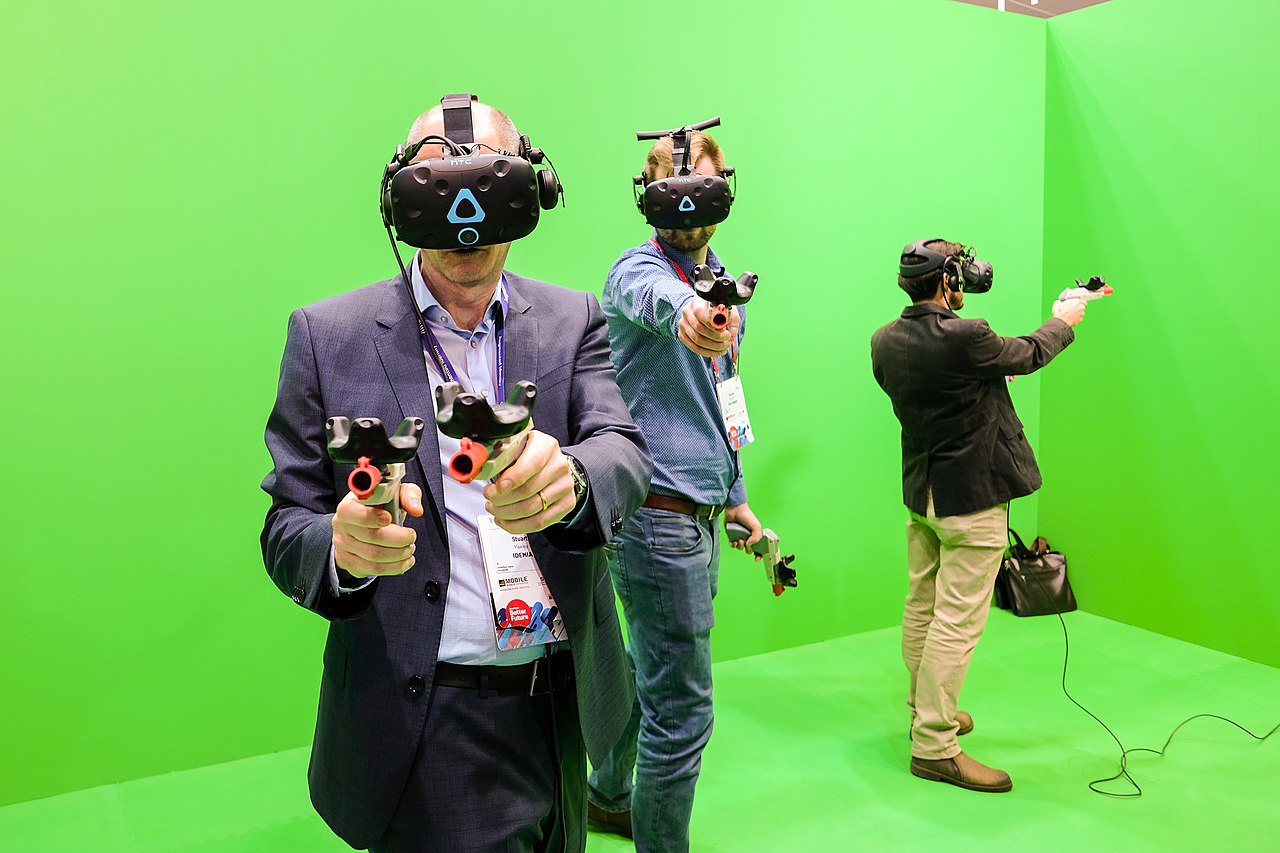
A typical VR setup includes a head-mounted display that presents stereoscopic images and blocks out the real world, motion tracking to update the view as the user turns their head, and audio output for spatialized sound. Many systems add controllers and sensors so users can move, select or manipulate objects. The underlying hardware requires high-refresh-rate displays and precise tracking to reduce latency and motion sickness; some environments also incorporate projection systems or room-scale tracking using external cameras or base stations and specialized display technologies.
Haptic devices provide tactile feedback so virtual interactions feel more convincing. Gloves, vests or controllers with force feedback can simulate touch, pressure or resistance; these examples fall under the broader term haptic feedback. Software frameworks coordinate the sensory streams and user input to preserve consistent spatial relationships and believable physics.
History and development
Concepts linked to VR trace back decades, from early stereoscopic viewers and flight simulators to experimental headsets and academic research in the late 20th century. Advances in consumer electronics, graphics processors, and miniature sensors in the 2010s brought higher-resolution headsets and more affordable systems to mainstream markets. Ongoing research focuses on reducing latency, improving displays, enhancing haptics and enabling richer interaction models.
Uses, examples and importance
VR is used across many fields. Entertainment and gaming remain prominent applications, where users enter interactive worlds and narratives. In education and training, simulations allow practice of complex or dangerous tasks without real-world risk. Healthcare uses VR for pain management, therapy and rehabilitation. Design, architecture and engineering rely on virtual prototypes to visualize projects at scale. Business and social platforms host meetings or shared experiences in virtual spaces.
- Gaming and interactive media — immersive storytelling and play (games).
- Training and simulation — flight, medical, military and industrial rehearsals.
- Design and visualization — architecture, product mockups and urban planning.
- Therapy and rehabilitation — exposure therapy, motor recovery and pain distraction.
Distinctions and notable facts
Virtual reality differs from augmented reality (AR), which overlays digital content on top of the actual environment instead of replacing it. AR applications keep the user's real surroundings visible while enriching them with graphics or information; a well-known mobile example is Pokémon Go, which blends game elements with camera views. Mixed reality and other hybrid terms describe systems that combine virtual and physical elements in various proportions; see augmented reality for comparison.
Practical considerations for VR adoption include system cost, content availability, physical space requirements and potential effects such as cybersickness. Developers and researchers continue to improve ergonomics, accessibility and standards so VR can serve broader educational, professional and social needs. For broader technical and industry resources, consult introductory guides and current reviews on the subject via reputable outlets and vendor material at technology resources and platform documentation at software portals.
Related articles
Author
AlegsaOnline.com Virtual Reality: Principles, Components, History and Applications Leandro Alegsa
URL: https://en.alegsaonline.com/art/105579