
Feedback (systems, biology, and communication)
An overview of feedback as loops that return outputs to inputs. Covers types, components, historical development, practical examples in engineering and biology, and differences from related concepts.
Definition and overview
Feedback is the process by which a portion of the output of a system is returned to its input so that the system can adjust future behavior. In simple terms, it creates a loop that links cause and effect: outputs influence subsequent inputs. Feedback appears in mechanical control, electronic circuits, biological regulation, social interactions and organizational learning.
Image gallery
6 Images




Core components and common types
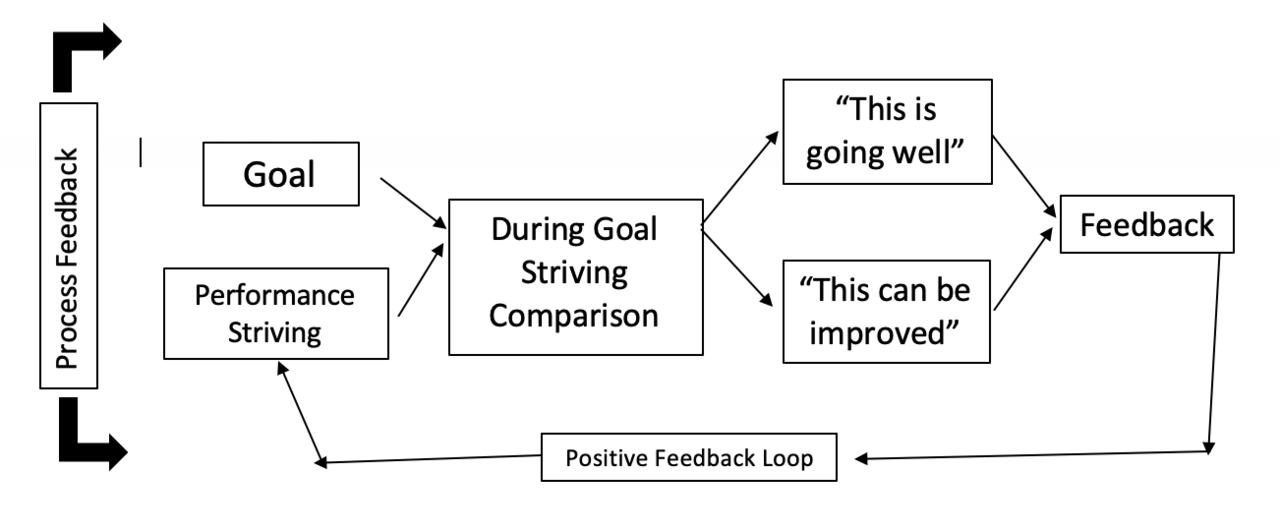
A feedback loop typically involves a sensor or measurement stage, a comparator that evaluates the measured value against a reference, and an actuator or response that changes the system. Two broad categories are:
- Negative feedback: reduces deviations from a target (stabilizing). Examples include a thermostat maintaining room temperature or blood glucose regulation mechanisms.
- Positive feedback: amplifies changes and can drive rapid transitions or instability. Examples include microphone squeal, population booms, or the clotting cascade in biology.
History and development
The study of feedback emerged from efforts to control machines and engines; 19th-century work on governors for steam engines illustrated basic ideas of regulation. In the 20th century, control theory and the field of cybernetics formalized feedback as a key concept in engineering, biology, and information sciences. These developments provided language and mathematical tools for analyzing stability, oscillation, and responsiveness.
Uses and examples
Feedback is foundational across domains. In engineering, it improves accuracy and reduces sensitivity to disturbance in control systems and electronics. In biology, feedback circuits maintain homeostasis and coordinate development. In management and education, feedback enables performance improvement and learning. Everyday examples include cruise control in vehicles, the human endocrine system, iterative product testing, and conversational responses that adjust behavior.
Distinctions, benefits and risks
Feedback differs from feedforward control, which anticipates disturbances without relying on return information. Properly designed feedback enhances robustness and adaptability; poorly designed feedback can produce oscillation, runaway behavior, or delayed responses. Key concerns are loop gain, delay, and the accuracy of sensing and comparison stages.
For conceptual introductions and practical guidance on designing or interpreting feedback loops, see further reading. Understanding how feedback operates helps explain phenomena from stable regulation to rapid amplification in natural and engineered systems.
Related articles
Author
AlegsaOnline.com Feedback (systems, biology, and communication) Leandro Alegsa
URL: https://en.alegsaonline.com/art/33884