
Augmented reality (AR)
Augmented reality (AR) overlays digital content on the physical world, combining sensors, tracking and rendering to enhance perception for industry, education, entertainment and everyday tasks.
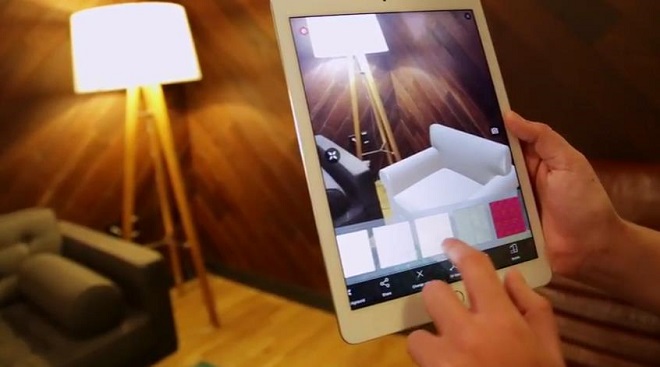
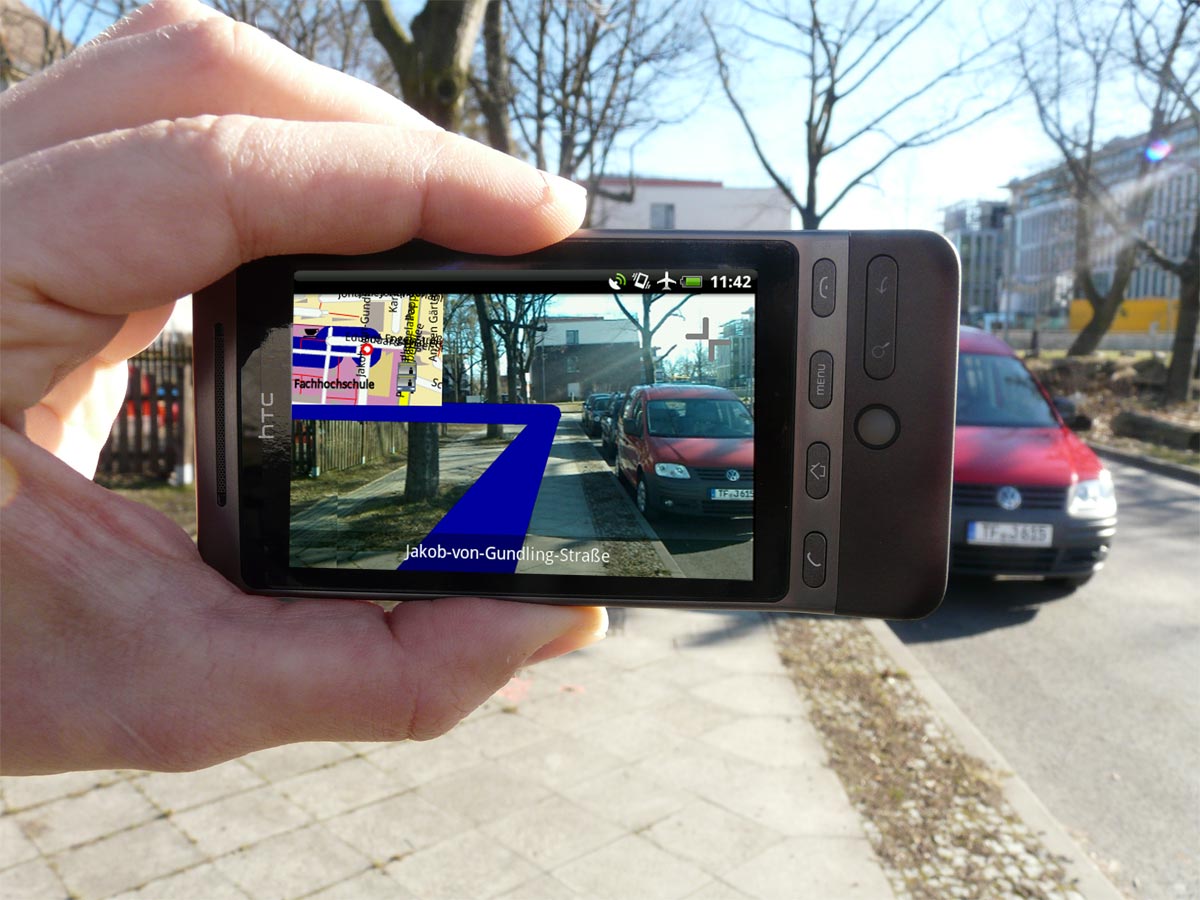
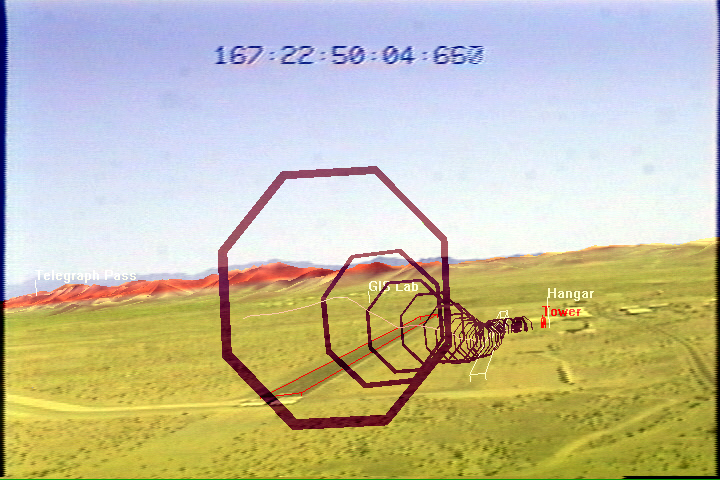
Augmented reality (AR) is a technology that overlays computer-generated information — such as images, text, or 3D models — onto a user's view of the real world. Unlike virtual reality, which places the user inside a fully simulated environment, AR supplements the physical scene, keeping a direct connection to the surroundings while adding digital context. AR experiences can be delivered through smartphones, tablets, head-mounted displays, smart glasses, or projection systems.
Image gallery
9 Images



How AR systems work
At a basic level, AR integrates sensing, spatial understanding, and graphics rendering so that virtual content appears correctly placed relative to real objects. Common technical components include:
- Sensors and cameras: Capture the environment and provide input for tracking and mapping.
- Tracking and registration: Determine device position and orientation so digital content aligns with physical features.
- Display and rendering: Present images with correct scale, perspective and lighting to blend with the scene.
- Software frameworks: Handle image processing, 3D model placement, and interaction logic.
Different methods — marker-based, markerless (feature tracking), and sensor fusion (GPS, inertial measurement units) — are used depending on the application and environment. Accurate occlusion, consistent lighting, and low-latency tracking are essential for convincing experiences.
History and development
Roots of AR trace back to early display research and head-mounted devices in the late 20th century. The term "augmented reality" became more widely used in the 1990s as computers, cameras and sensors improved. Over the 2000s and 2010s, the rise of powerful smartphones and mobile graphics accelerated consumer AR, while specialized hardware and enterprise platforms expanded industrial uses. Research continues on improving alignment, shared AR sessions, and cloud-based spatial maps.
AR is applied across many fields. In industry, technicians use AR to visualize procedures and annotations on equipment. In medicine, AR assists surgical planning and training. Education benefits from interactive overlays that make abstract concepts tangible. Retailers offer virtual try-on and product visualization tools. Entertainment and games use AR to merge storytelling with physical spaces.
Key differences from related technologies: virtual reality (VR) immerses users in a fully synthetic environment; mixed reality (MR) often refers to advanced AR with stronger integration and realistic interaction between virtual and physical objects. AR sits on a spectrum between simple overlays and tightly coupled, physics-aware MR systems.
Challenges for AR include robust scene understanding in varied lighting, reliable multiuser alignment, battery and compute limitations on mobile devices, and privacy concerns when cameras capture public spaces. Ongoing work focuses on better sensors, cloud-assisted mapping, natural interaction methods, and standardized development tools.
For overviews of current platforms and developer resources, see further reading. For comparisons with related technologies and technical introductions, consult additional resources.
Author
AlegsaOnline.com Augmented reality (AR) Leandro Alegsa
URL: https://en.alegsaonline.com/art/134792