
Videotape: magnetic recording medium for moving images and sound
Videotape is a plastic-based magnetic medium used to record moving images and sound. Widely used from the 1950s through the late 20th century, it shaped broadcasting, home video and low-cost filmmaking.
Videotape is a recording medium that stores moving pictures and usually accompanying audio on a thin strip of plastic coated with magnetic material. Early systems used open reels and large studio machines; later designs placed tape inside compact cassettes suitable for home and field use. The physical medium and the machines that read and write it defined how video was produced, distributed and archived for much of the late 20th century. For basic technical information about the underlying medium see magnetic tape.
Image gallery
5 Images
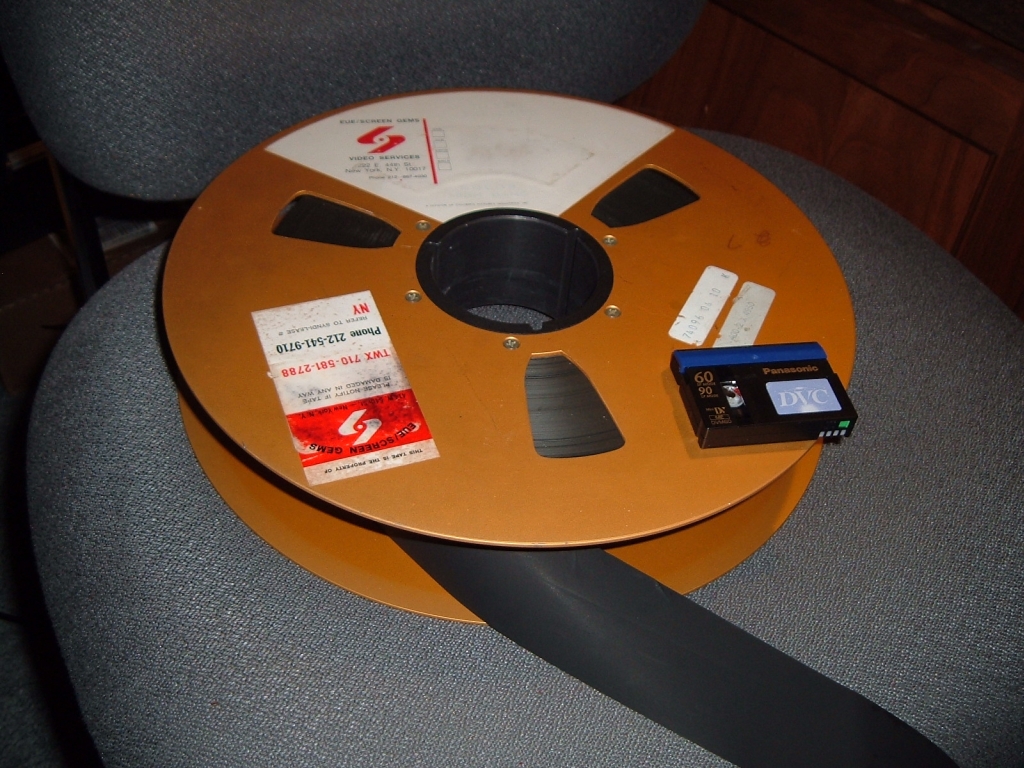


How it works and common components
Videotape stores signals as magnetized patterns along the tape, which are created and read by rotating video heads within a playback or recording machine. Systems differ in head geometry and tape path, but most consumer and professional formats rely on a moving tape and one or more spinning heads to capture the wide bandwidth of video. Formats vary from long open reels to compact cassettes; some use linear tracks while others use helical-scan recording to increase data density. The term analog describes many early formats; more recent versions applied digital encoding to the same physical tape form. For general context on analog systems see analog.
Major formats and examples
- Reel-to-reel broadcast machines (early studio recorders)
- U-matic, Betacam and other professional cassette systems used in television production
- VHS and Betamax consumer cassettes used for home recording and playback
- Digital tape formats such as MiniDV and Digital Betacam that combined tape with digital encoding
Videotape largely replaced the use of photographic film for many kinds of non-theatrical motion-picture work, especially in low-budget filmmaking and home movies, because it allowed immediate playback and lower running costs.
History and development
Videotape technology emerged in the 1950s to capture live television programs for delayed broadcast. Over subsequent decades the technology moved from large studio machines to portable camcorders and consumer VCRs, transforming broadcast workflows and domestic entertainment. The 1970s and 1980s saw videotape become the dominant medium for home video and much of television production. Toward the end of the 20th century, digital recording techniques—both on tape and on disk—began to supersede analog tape, and in the 21st century solid-state media and file-based recording largely replaced videotape for most everyday uses. For a broad view of video technology trends see video and for current removable media options see memory cards.
Uses, longevity and preservation
Videotape has been used for broadcast archives, news gathering, education, home movies, surveillance and cinema production shortages. Its advantages included reuseability, relatively low cost and immediate playback. Limitations include mechanical wear, magnetic degradation, and evolving playback compatibility as formats proliferated. Conservation of historic videotape collections requires controlled storage and migration to contemporary digital formats; many archives undertake format transfers to preserve content produced on obsolete tape systems.
Although consumer and broadcast industries have largely moved away from videotape, the medium remains important in archives, collectors' communities and in some professional niches that retain tape workflows. Videotape's technical evolution—from analog studio reels to compact digital cassettes—played a central role in how moving images were recorded, edited and consumed for several decades.
Related articles
Author
AlegsaOnline.com Videotape: magnetic recording medium for moving images and sound Leandro Alegsa
URL: https://en.alegsaonline.com/art/105045