
Videocassette recorder (VCR): history, technology, and cultural impact
Overview of the videocassette recorder (VCR): how it works, key components and formats, historical development, common uses like time‑shifting, and its legacy after the rise of digital video.
Overview
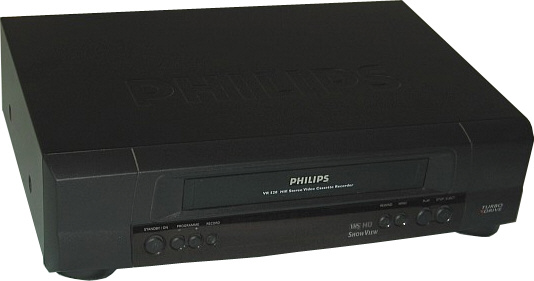
A videocassette recorder (VCR) is an electronic device that records, stores and plays back analog video and audio signals on magnetic tape contained inside removable cassettes. VCRs became the dominant home video format for several decades, letting consumers record television broadcasts, play prerecorded movies, and copy footage from camcorders. To view recordings a VCR is typically connected to a television using an RF or composite input; many models later offered S‑video and other connections for improved picture quality. Television connection options varied by region and model.
Image gallery
10 Images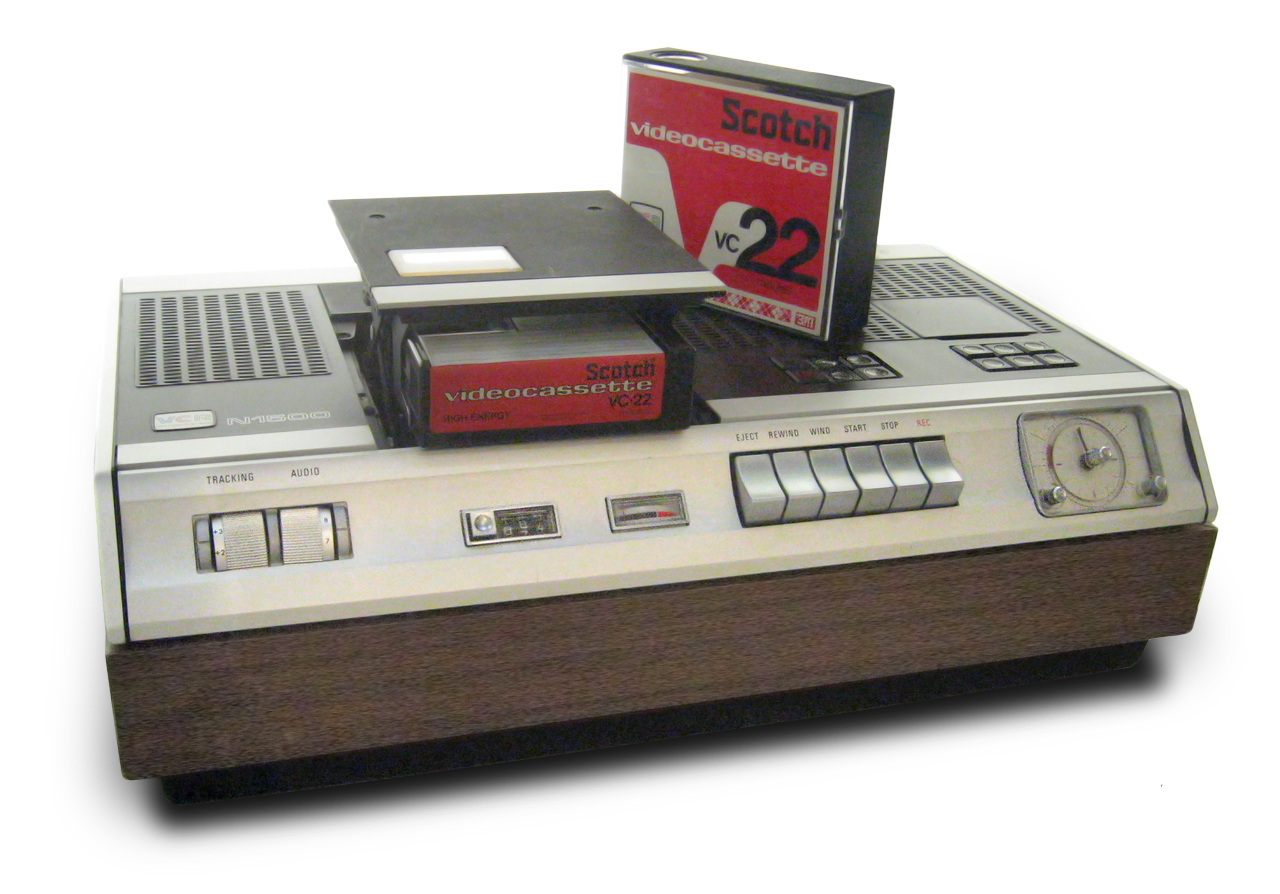


Key components and how it works
At the heart of a VCR is the tape transport mechanism and a rotating video head drum that uses helical‑scan recording to imprint video information across the width of the tape. Major parts include the cassette bay, tape heads, drum assembly, capstan and pinch roller (which control tape speed), motors, and electronic circuits for encoding and decoding video and audio. Mechanical loading systems accept the cassette and pull the tape around the drum in a precise path; electronic systems handle tracking, tuning and audio fidelity. For more technical background, see videocassette technology.
History and major formats
Videotape recording evolved from large professional reel‑to‑reel systems to consumer cassettes in the 1970s. Two competing consumer formats became prominent: a format developed by Sony and a longer‑playing format introduced by another manufacturer that gained broader market share. The competition affected recording length, picture quality and market adoption. Variants and extensions produced later included compact cassette versions for camcorders and higher‑resolution consumer models that improved color and audio.
Uses and cultural impact
Consumers used VCRs for "time‑shifting" television shows to watch at convenient times, for recording home movies, and for building libraries of rented or purchased titles. VCRs drove the growth of video rental stores and changed how films were distributed and consumed. They also enabled copying and sharing of recordings, which raised new legal and commercial questions about copyright and fair use.
Decline and legacy
With the arrival of optical discs, digital recording, and internet streaming, VCRs declined in the 2000s. However, they left a lasting legacy: the normalization of home recording, the video rental industry, and many recorded archives on tape. Some collectors and archivists still use working VCRs to access material stored only on cassette formats—repair and maintenance knowledge remains valuable for media preservation. See also a summary of the most common cassette type, VHS and related cassettes.
Notable distinctions
- Format differences: Variants differed in recording time, image quality and compatibility.
- Professional vs consumer: Professional tape systems used different cassettes and offered higher reliability and resolution.
- Connections: Early models used RF modulators; later models added composite and S‑video outputs for better fidelity.
While largely superseded by digital solutions, the VCR remains an important technological milestone in home media history and a practical tool for accessing decades of analog video archives.
Questions and answers
Q: What is a videocassette recorder?
A: A videocassette recorder (VCR) is an electronic device that records and plays videotapes.
Q: What type of cassettes do VCRs use?
A: Most VCRs use VHS or Beta cassettes that contain recordings of movies and other programs.
Q: How do you watch a recording using a VCR?
A: To watch a recording using a VCR, the VCR has to be connected to a television set.
Q: What were VCRs mainly used for when they first came out?
A: At first, VCRs were mainly used to record programs from television broadcasts.
Q: What is time-shifting?
A: Time-shifting is when people used VCRs to record their favorite television shows to watch them later.
Q: What types of programs can be recorded onto VHS or Beta cassettes using a VCR?
A: VHS or Beta cassettes that contain recordings of movies, music videos, exercise videos, and other programs can be recorded using a VCR.
Q: What decades were VCRs most commonly used for time-shifting?
A: VCRs were most commonly used for time-shifting in the 1980s and 1990s.
Related articles
Author
AlegsaOnline.com Videocassette recorder (VCR): history, technology, and cultural impact Leandro Alegsa
URL: https://en.alegsaonline.com/art/105044
Sources
- arstechnica.com : "The format wars: of lasers and (creative) destruction"
- mediacollege.com : Media College
- books.google.com : 100 Greatest Inventions, ppg 288-289
- books.google.com : Principles of Multimedia