
Veterinary Medicine: Practice, Scope, and Public Health Role
Study and practice of preventing, diagnosing and treating disease in animals; covers clinical care, specialties, public health (zoonoses), food safety, research and animal welfare.
Overview
Veterinary medicine is the branch of medicine devoted to the health and well‑being of animals. Its practitioners work to prevent, diagnose and manage disease and injuries across many species. Those who complete professional training and licensing are known as veterinarians, commonly called vets.
Image gallery
9 Images

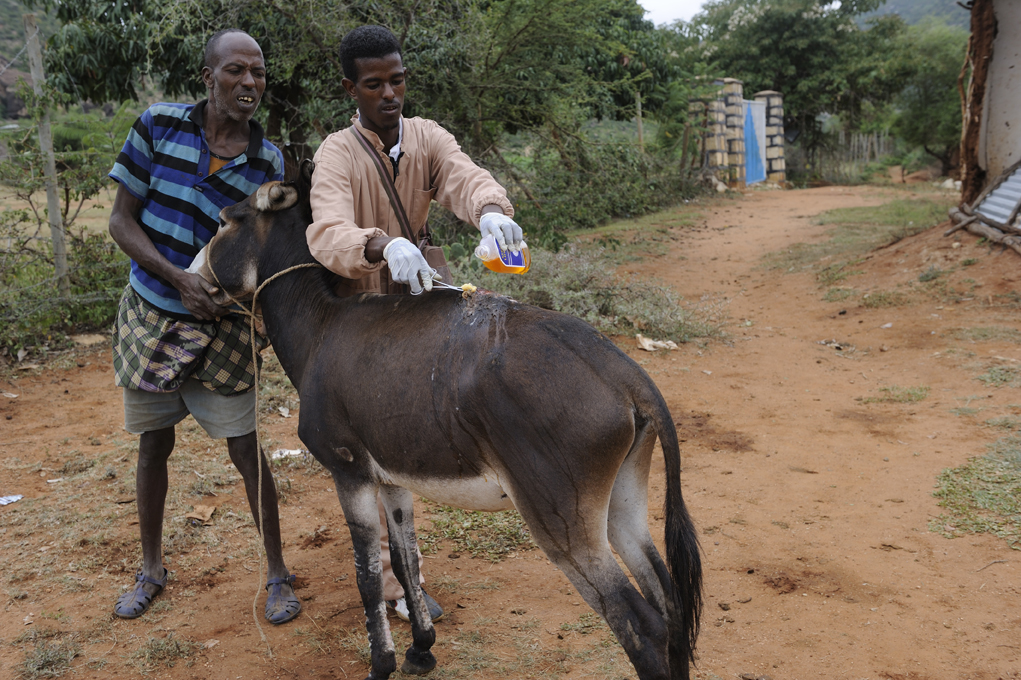



Scope and specialties
Veterinary work spans companion animals, livestock, laboratory animals, wildlife and species in zoological collections. The discipline treats both domesticated and wild animals and includes clinical practice, population health and research. Practices can be solo clinics, multi‑doctor hospitals, mobile services, on‑farm consultancies or conservation projects.
- Clinical specialties: small animal, large animal, equine, wildlife/exotics, laboratory animal medicine.
- Subdisciplines and skills: surgery, internal medicine, diagnostic imaging, pathology, anesthesiology, dentistry, epidemiology and preventive medicine.
History, education and professional regulation
Modern veterinary education emerged alongside advances in anatomy, microbiology and public health. Training generally combines university coursework, clinical rotations and supervised practice, followed by registration or licensure. Professional bodies set standards for practice, continuing education and specialty certification to maintain competency and public safety.
Roles, methods and services
Veterinarians provide examinations, laboratory testing, medical and surgical treatments, imaging and emergency care. Preventive services — vaccination programs, parasite control and herd‑health planning — are essential in reducing illness. Teams also manage shelter medicine, rehabilitation, food‑animal production systems and laboratory animal welfare. Modern practice increasingly uses telemedicine, electronic records and evidence‑based protocols such as antibiotic stewardship.
Public health, research and notable distinctions
Veterinary medicine contributes to food safety, animal welfare and surveillance of zoonotic infections that can move between animals and people. The One Health concept links veterinary, medical and environmental disciplines to address shared health threats. Distinct roles exist within veterinary services: veterinarians diagnose and prescribe medicine, while allied professionals such as veterinary nurses and technicians provide critical clinical support. Regulation governs prescription drugs, surgical practice and disease reporting to protect both animal and human populations.
Examples of importance
Typical examples of veterinary impact include herd‑level disease control on farms, companion animal preventive care that extends pet lifespans, wildlife disease monitoring for conservation, and laboratory animal oversight that enables biomedical research. Across these areas, veterinarians blend clinical skills, population science and ethics to safeguard animal and public health.
For further reading on specific topics, see specialist resources and professional organizations linked through authoritative portals and guidance documents.
Related articles
Author
AlegsaOnline.com Veterinary Medicine: Practice, Scope, and Public Health Role Leandro Alegsa
URL: https://en.alegsaonline.com/art/104805