
Vitiligo: causes, appearance, diagnosis and management
Vitiligo is a long-term skin condition in which patches of skin lose pigment due to melanocyte loss. This article explains signs, likely causes, diagnosis, treatments and social effects.
Vitiligo is a condition in which areas of the skin become lighter or completely white because pigment-producing melanocytes stop functioning or are destroyed. These cells normally make melanin, the pigment that gives skin its color and helps protect against ultraviolet radiation. Vitiligo can begin at any age and affects people of all ethnicities; it is not infectious.
Image gallery
7 Images


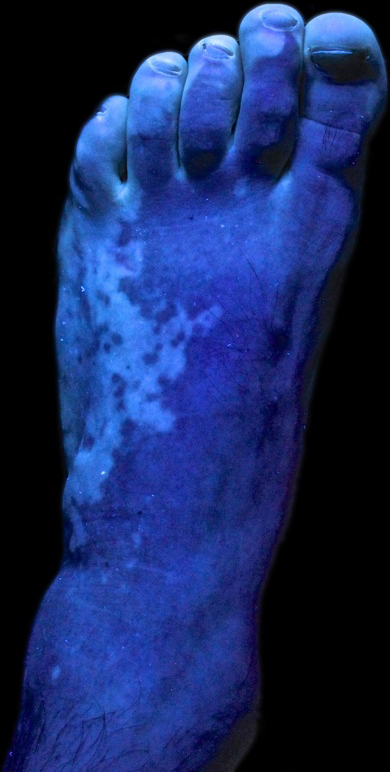
Typical features and patterns
White patches usually appear on the face, hands, feet, around body openings (mouth, eyes, genitals) and at sites of previous injury. The condition may be localized or widespread. Common clinical patterns include generalized (symmetrical, multiple areas), segmental (limited to one part of the body), focal (single or few spots) and mucosal (affecting the mouth or genital mucosa). New patches can develop gradually or spread rapidly in some cases.
Causes and associations
The exact cause is not fully settled. Most evidence points to an autoimmune process in which the immune system targets melanocytes, often on a background of genetic susceptibility and environmental triggers. Oxidative stress and neural factors have also been proposed. Vitiligo is associated with other autoimmune conditions, particularly thyroid disease, and sometimes with diabetes mellitus type 1, pernicious anemia and alopecia areata.
Diagnosis and course
Diagnosis is usually clinical, based on the appearance of depigmented patches. A Wood's lamp (ultraviolet light) can make early lesions easier to see. Skin biopsy is rarely required. The course is unpredictable: some people experience stable disease for years, others have progressive depigmentation, and spontaneous partial repigmentation can occur.
Management and coping
Treatment aims to stop progression and restore color where possible. Options include topical corticosteroids and calcineurin inhibitors, controlled phototherapy (narrowband UVB), and surgical grafting for stable, localized disease. In widespread cases, depigmentation of remaining pigmented skin may be considered. Camouflage cosmetics and strict sun protection are important to reduce sunburn risk and improve appearance.
Social impact and important distinctions
Vitiligo can cause significant emotional distress and social stigma; psychological support and patient education are integral to care. It differs from congenital conditions like albinism (a systemic reduction of melanin) and from temporary post-inflammatory hypopigmentation. Prevalence is low but not rare; estimates suggest it affects a small percentage of the population worldwide. Research continues into targeted immune therapies and methods to encourage repigmentation.
Related articles
Author
AlegsaOnline.com Vitiligo: causes, appearance, diagnosis and management Leandro Alegsa
URL: https://en.alegsaonline.com/art/105661
Sources
- abcnews.go.com : abcnews.go.com/Health/Wellness/michael-jacksons-son-suffer-loss-pigment/story?id=11064783
- theage.com.au : "Mad Men star's stress disease"
- commons.wikimedia.org : Vitiligo