
Vitamin E: forms, functions, food sources, uses, and safety
Fat‑soluble vitamin (tocopherols and tocotrienols) with antioxidant roles. Found in vegetable oils, nuts, seeds and greens; used in skin products and food preservation. Supplements have mixed benefits and safety concerns.
Vitamin E is a group of fat‑soluble compounds that includes tocopherols and tocotrienols. In human nutrition the alpha‑tocopherol form is most often described as the primary biologically active form, but several related molecules share antioxidant properties. Vitamin E occurs naturally in a range of plant oils, nuts and seeds, and is commonly added to processed foods and cosmetic products for its stabilizing and skin‑conditioning effects. For a general overview see this reference.
Image gallery
5 Images


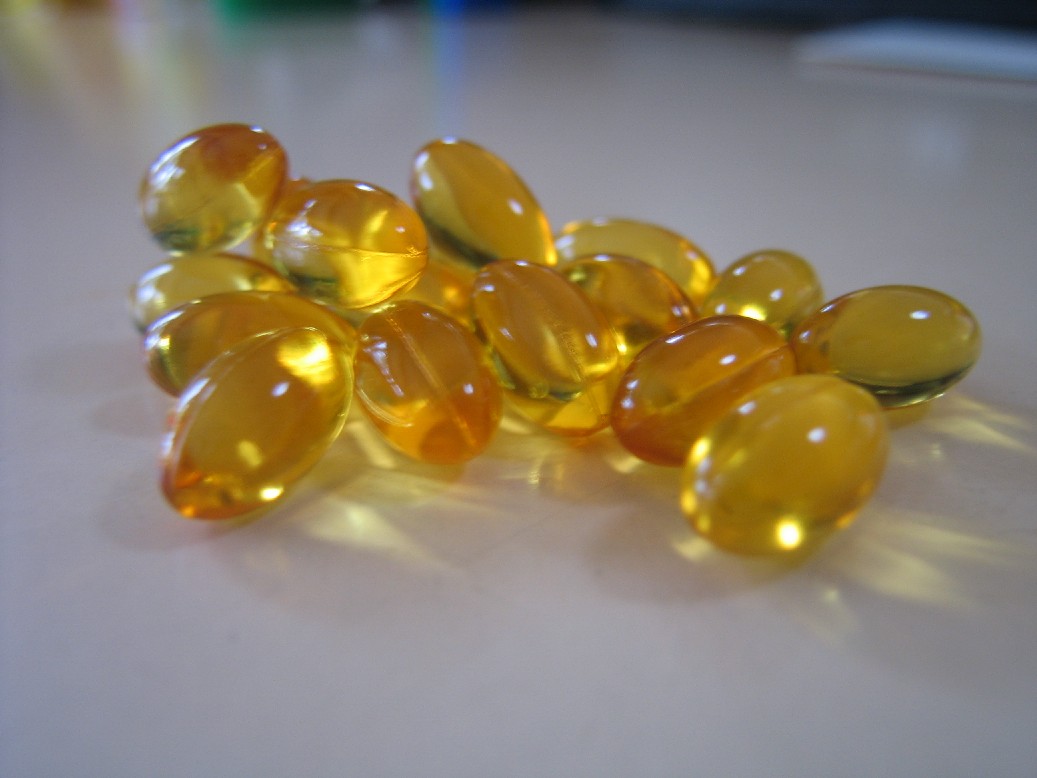
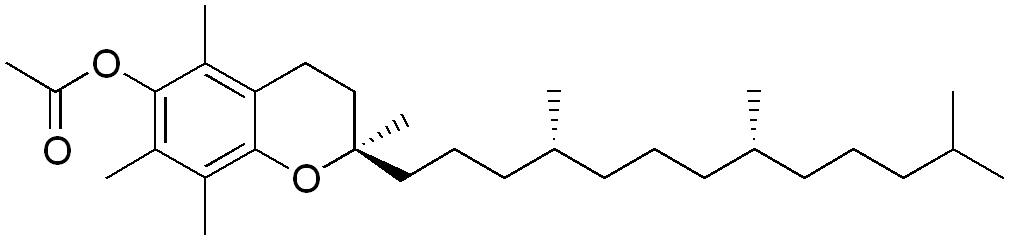
Chemical forms and dietary sources
There are eight major chemical forms categorized as four tocopherols and four tocotrienols (commonly called alpha, beta, gamma and delta varieties). Food sources that contribute meaningful amounts of vitamin E include vegetable oils (such as wheat germ, sunflower and safflower oils), nuts and seeds, and green leafy vegetables. It is also used as a preservative and antioxidant in food processing, where it may appear with additive codes; more on food uses is available at this source.
Biological role and absorption
Vitamin E acts primarily as a lipid‑soluble antioxidant, helping protect cell membranes from oxidative damage by neutralizing free radicals. Because it is fat‑soluble, absorption depends on dietary fat and normal digestion (bile and pancreatic function). The vitamin is transported in lipoproteins and stored in adipose tissue and the liver. Deficiency is uncommon in healthy individuals but can arise with disorders that impair fat absorption; clinical features of deficiency may include neuromuscular symptoms or hemolytic anemia in newborns. For clinical and topical contexts see clinical notes.
Uses, evidence, and examples
Topically, vitamin E is added to lotions and creams where it is claimed to support skin healing and reduce scarring; evidence for routine topical benefit is mixed and depends on formulation and concentration. Orally, vitamin E supplements have been studied for prevention of cardiovascular disease and cancer. Large clinical trials and reviews have not confirmed clear preventive benefits for the general population, and some trials raised questions about possible harms at high doses. Readers interested in skin care, wound healing or disease prevention can consult additional summaries at skin uses and wound care research.
Safety, recommendations, and notable facts
Recommended intakes are set by health authorities and vary by age, sex and life stage; these guidelines are based on dietary needs rather than high‑dose supplementation. Excessive supplemental vitamin E can interact with medications (for example, anticoagulants) and has been associated in some studies with increased bleeding risk and other adverse outcomes. Many consumer products and labels refer to tocopherol forms using codes such as E307–E309 when used as food additives. For balanced guidance on supplementation and safety see supplement guidance and safety considerations.
- Typical food sources: vegetable oils, nuts, seeds, leafy greens.
- Main roles: antioxidant protection of lipids and cell membranes.
- Forms: tocopherols and tocotrienols (alpha‑, beta‑, gamma‑, delta‑).
- Practical advice: prioritize dietary sources; consult a clinician before high‑dose supplements.
Related articles
Author
AlegsaOnline.com Vitamin E: forms, functions, food sources, uses, and safety Leandro Alegsa
URL: https://en.alegsaonline.com/art/105654
Sources
- ext.colostate.edu : "Fat-Soluble Vitamins"
- sciencedirect.com : "Role of antioxidants in the skin: Anti-aging effects"
- doi.org : 10.1016/j.jdermsci.2010.03.003