
Laboratory virus culture techniques for detecting infectious, replication-capable viruses
Overview of laboratory virus culture techniques used to detect live, replication-capable viruses, covering traditional and shell vial methods, diagnostic uses, advantages, limitations, and clinical relevance.
Viral culture is a diagnostic technique performed in a laboratory to determine whether a sample contains live, replication-competent virus. In this procedure, material from a patient (for example a swab, aspirate or body fluid) is placed onto or into living cells that the agent being tested is known to be able to infect. Growth of the virus is inferred either by visible damage to the cells (called cytopathic effects) or by direct detection of viral components produced during replication.
Image gallery
1 Image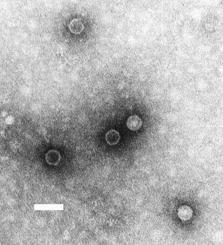
How it is done
- Traditional cell culture: the specimen is inoculated onto one or more cell lines and incubated. Technicians inspect the cultures over days to weeks for cytopathic changes or use assays to detect viral proteins or nucleic acids.
- Shell vial culture: the sample is spun onto a single layer of permissive cells in a small vial, which speeds contact between virus and cells. Viral antigen or other markers are then detected, often allowing earlier identification than routine culture.
Applications and interpretation
Viral culture confirms the presence of infectious virus, which is important for virus isolation, strain characterization and some susceptibility testing. A positive culture indicates that the agent in the sample was able to replicate in the chosen cell system. A negative result does not entirely exclude infection, because culture requires live virus and appropriate cell types and conditions.
Advantages and limitations
- Advantages: provides live virus for further study, can demonstrate infectivity directly, and can be used for viruses where phenotypic testing is required.
- Limitations: it is generally slower than molecular methods (for example, PCR), can be less sensitive for some agents, and requires specialized containment and viable organisms. Modern alternatives, including rapid antigen tests and nucleic acid amplification, have reduced the routine use of culture for many respiratory and enteric viruses.
Clinical and historical notes
Shell vial culture was developed to shorten detection times for slower-growing agents; it is particularly associated with improvements in diagnosing infections such as cytomegalovirus, where earlier identification of viral antigen improves turnaround compared with conventional culture. Choice of method depends on clinical need, available laboratory facilities and the properties of the suspected virus.
Related articles
Author
AlegsaOnline.com Laboratory virus culture techniques for detecting infectious, replication-capable viruses Leandro Alegsa
URL: https://en.alegsaonline.com/art/105495
Sources
- webmd.com : "Viral culture"
- books.google.com : Fields' Virology
- pubmedcentral.nih.gov : "Role of cell culture for virus detection in the age of technology"
- worldcat.org : 1098-6618