
Vestfold (former Norwegian county)
Vestfold was a coastal county in southern Norway known for lowlands and productive farmland, Viking-era archaeology, maritime industries and whaling history. It merged with Telemark in 2020.
Overview
Vestfold was a former county in southern Norway occupying a narrow coastal strip west of the Oslofjord. It functioned as an administrative county until 1 January 2020, when it was merged with neighboring Telemark to form the new unit Vestfold og Telemark. To the north and east it adjoined counties such as Buskerud. The official county administration was located in the county administration in the city of Tønsberg, a long-established urban centre with a maritime character.
Image gallery
10 Images


Geography and landscape
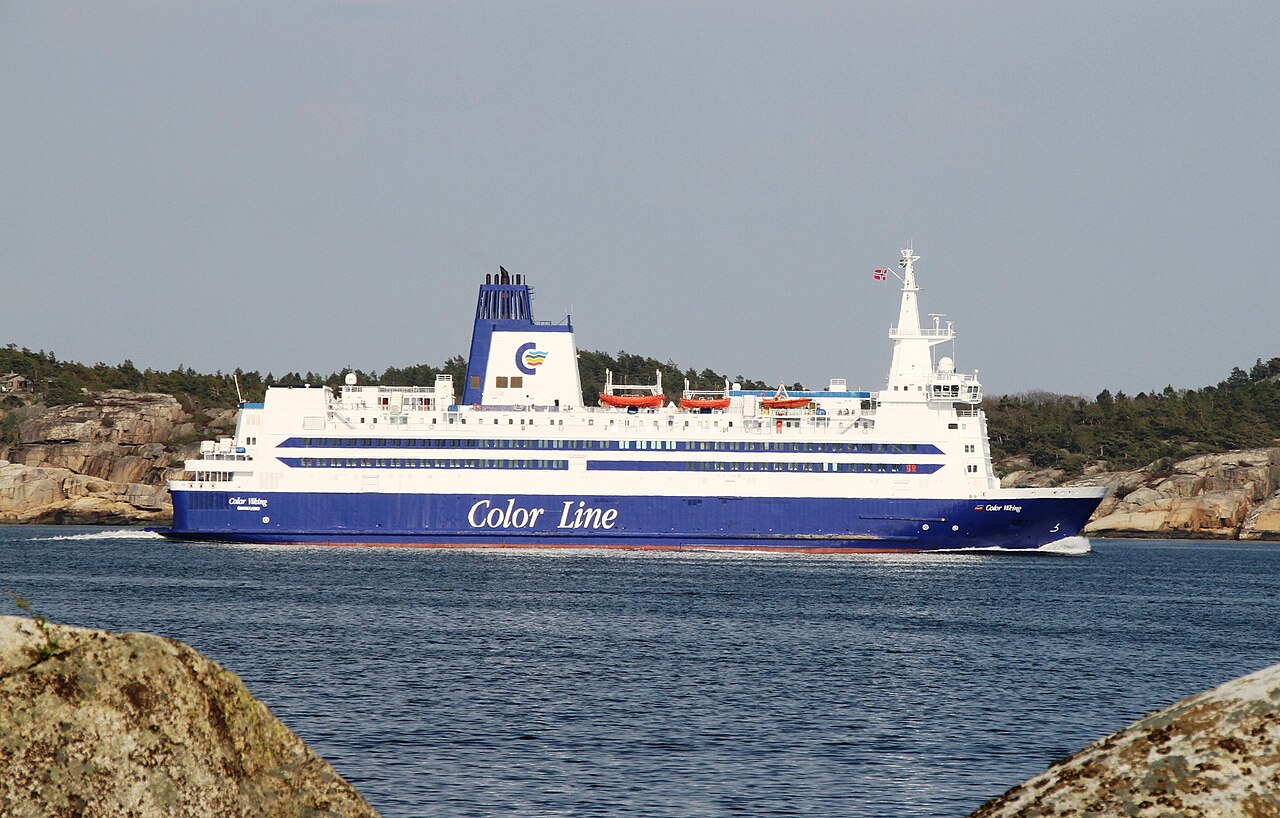
Vestfold is largely lowland compared with Norway’s interior. The coastline is indented and fringed by many small islands and skerries that create sheltered bays and attractive archipelagos for boating and summer recreation. Several rivers cross the area; notably the Numedalslågen passes through part of the district. The combination of a relatively mild coastal climate and glacially formed plains has produced some of Norway’s most productive farmland, with intensive vegetable, root crop and mixed farming in the flatter districts.
History and cultural heritage
The region has deep historical roots extending back to the Iron Age and the Viking Age. Vestfold contains numerous burial mounds, rune stones and maritime graves that testify to its importance as a centre for seafaring and trade in early medieval Scandinavia. Well known archaeological discoveries—such as richly furnished ship burials—have drawn scholarly attention and are central to the area’s identity. During the 19th and early 20th centuries several coastal towns developed strong links to international whaling, with a related impact on local shipyards and commercial networks.
Economy and industry
The local economy combines agriculture, maritime activities and light industry. Coastal towns maintain economies based on fishing, aquaculture and seafood processing, while modern shipbuilding and marine technology companies serve both national and international markets. Inland areas sustain mixed farming and some commercial lumbering, though forestry is less dominant than in Norway’s larger forested counties. Tourism, recreational boating and heritage attractions tied to the Viking past and coastal scenery are increasingly important contributors to local income.
Characteristics and points of interest
- Historic urban centre: Tønsberg is prominent for its medieval remains and port facilities.
- Viking legacy: archaeological sites and exhibitions highlight the region's early maritime role.
- Coastal nature: the archipelago, sheltered bays and beaches support tourism, sailing and wildlife observation.
Modern administration and significance
As part of a nationwide regional reform, Vestfold was administratively merged with Telemark on 1 January 2020. The reorganization aimed to improve regional planning and public services. Despite the merger, the historical name Vestfold continues to be used informally to describe the area's distinct cultural landscape, agricultural strengths and coastal communities. The county’s past as a hub for maritime activity and its ongoing marine industries underline its long-standing connection to the sea and to Norway’s coastal economy (coastal towns remain focal points for employment and identity).
Visiting and learning more
Visitors come for a mix of outdoor activities, local food and heritage interpretation. Maritime museums, archaeological displays and guided walks around burial mounds and shoreline settlements provide insight into how the landscape shaped past and present ways of life. For further details about administrative history and local institutions consult regional sources and municipal guides.
Related articles
Author
AlegsaOnline.com Vestfold (former Norwegian county) Leandro Alegsa
URL: https://en.alegsaonline.com/art/104798