
Lumber (Timber): Types, Processing, Uses and Sustainability
Lumber (timber) is wood processed for construction, furniture and other uses. This article explains types, characteristics, processing, common applications, history and sustainability considerations.
Overview
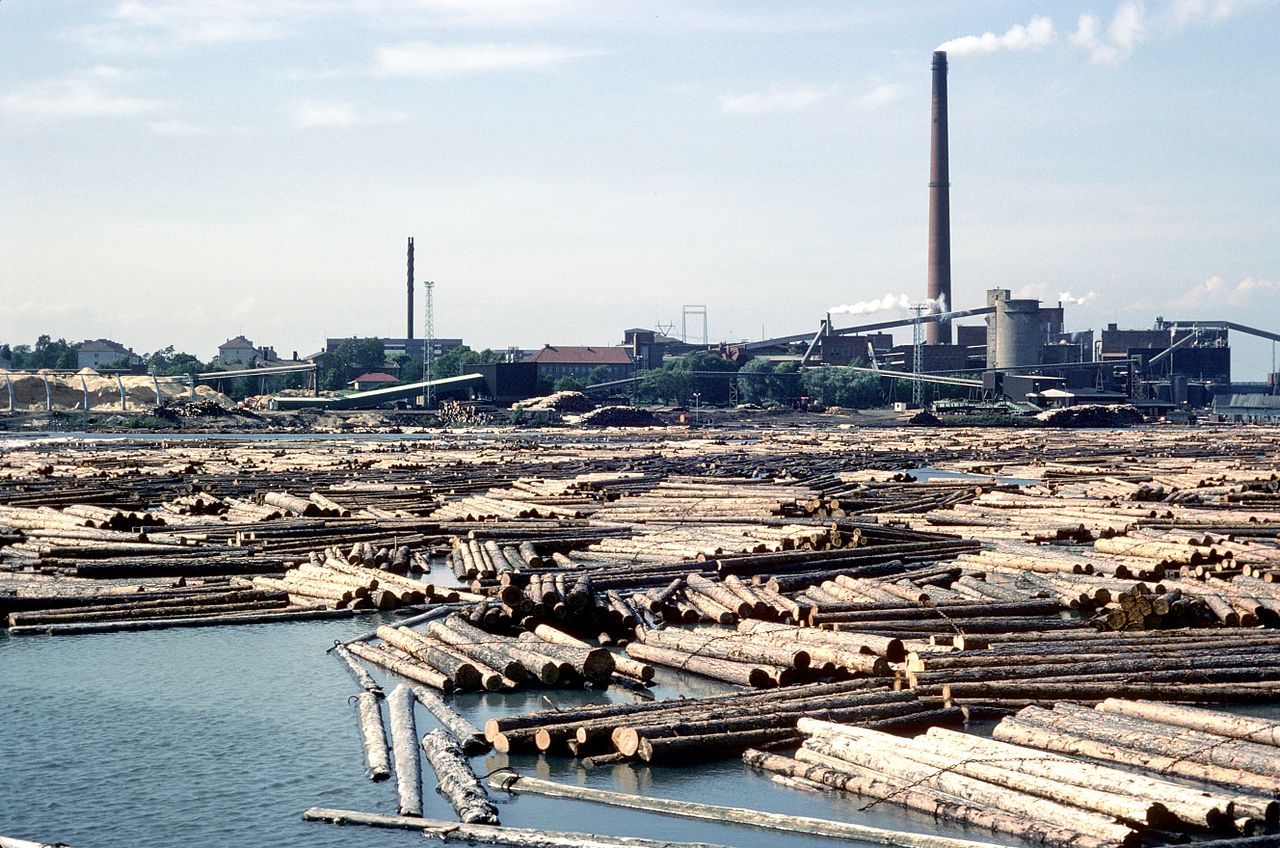
Lumber, often called timber in some regions, is wood that has been sawn or otherwise processed for practical use. Raw wood from trees is converted into boards, beams and planks that serve as primary building materials in residential and commercial building projects and many other applications. Common forms include dimensional lumber (standardized thickness and width), boards, timbers and engineered products such as plywood and glulam.
Image gallery
7 Images




Characteristics and common types
Lumber is classified by species, grain, moisture content and intended purpose. Two broad groups are hardwoods (deciduous trees) and softwoods (conifers); the latter dominate structural framing because of availability and consistent mechanical properties. Important properties include density, bending strength, stiffness, durability and resistance to decay.
- Dimensional categories: studs, joists, rafters and beams in standardized sizes.
- Moisture and seasoning: green, air-dried and kiln-dried lumber differ in moisture content and stability.
- Defects: knots, splits and warping affect strength and appearance.
Processing and grading
History and development
Humans have used wood for millennia, from simple posts and beams to elaborate joinery. The industrial sawmill and steam-powered machinery transformed production in the 18th and 19th centuries, enabling mass-produced standardized lumber. Advances in engineered wood and modern forestry practices further changed supply and applications in the 20th and 21st centuries.
Uses and examples
Lumber is a foundational material in construction framing, flooring, roofing, cabinetry, furniture and interior trim. Engineered products derived from lumber—such as plywood, oriented strand board (OSB) and laminated veneer lumber (LVL)—extend the material's strength and dimensional stability. Smaller-scale uses include joinery, boatbuilding and artisanal woodworking.
Sustainability and notable facts
Forestry management, certification schemes and improved harvesting techniques aim to balance supply with environmental protection. Wood stores carbon while in use and is recyclable or combustible for energy at end of life, but responsible sourcing and treatment choices are important to reduce habitat loss and pollution. Consumers and builders often weigh durability, maintenance, cost and ecological credentials when choosing lumber products.
Note: Terms and grading systems vary by country and region; local standards and codes should be consulted for design and construction decisions.
Related articles
Author
AlegsaOnline.com Lumber (Timber): Types, Processing, Uses and Sustainability Leandro Alegsa
URL: https://en.alegsaonline.com/art/59891